


As a supplier of LED plant light bulbs, one question I'm frequently asked is whether there are any UV rays in these bulbs. To understand this, we need to delve into the science behind LED plant lights and the role of UV rays in plant growth.
Understanding LED Plant Light Bulbs
LED, or Light - Emitting Diode, technology has revolutionized the field of plant lighting. Unlike traditional lighting sources such as incandescent or fluorescent bulbs, LEDs can be engineered to emit specific wavelengths of light. This is crucial because different wavelengths of light play different roles in plant growth.
Plants primarily use light in the red and blue spectra for photosynthesis. Red light is essential for flowering and fruiting, while blue light is important for vegetative growth, such as leaf development. LED plant light bulbs are often designed to emit a combination of red and blue light to optimize plant growth at different stages.
The Role of UV Rays in Plant Growth
Ultraviolet (UV) rays are part of the electromagnetic spectrum with wavelengths shorter than visible light. There are three types of UV rays: UVA (315 - 400 nm), UVB (280 - 315 nm), and UVC (100 - 280 nm). UVC rays are the most harmful and are typically absorbed by the Earth's atmosphere.

In nature, plants are exposed to UV rays from the sun. UV rays can have both positive and negative effects on plants. On the positive side, low - level exposure to UV rays can stimulate the production of secondary metabolites in plants. These metabolites can enhance the plant's flavor, aroma, and resistance to pests and diseases. For example, some plants produce more antioxidants when exposed to UV light, which can improve their nutritional value.
However, excessive exposure to UV rays can also damage plants. High - intensity UVB rays can cause DNA damage, reduce photosynthetic efficiency, and lead to stunted growth.
Do LED Plant Light Bulbs Emit UV Rays?
The answer is: it depends. Not all LED plant light bulbs emit UV rays. Standard LED plant light bulbs are usually designed to focus on the red and blue spectra because these are the most critical for photosynthesis. These bulbs are engineered to provide the maximum amount of energy in the wavelengths that plants can effectively use for growth.
However, there are some specialized LED plant light bulbs that do emit UV rays. These bulbs are designed for specific applications where the benefits of UV exposure are desired. For instance, in the cultivation of certain medicinal plants or in research settings where the effects of UV on plant chemistry are being studied.
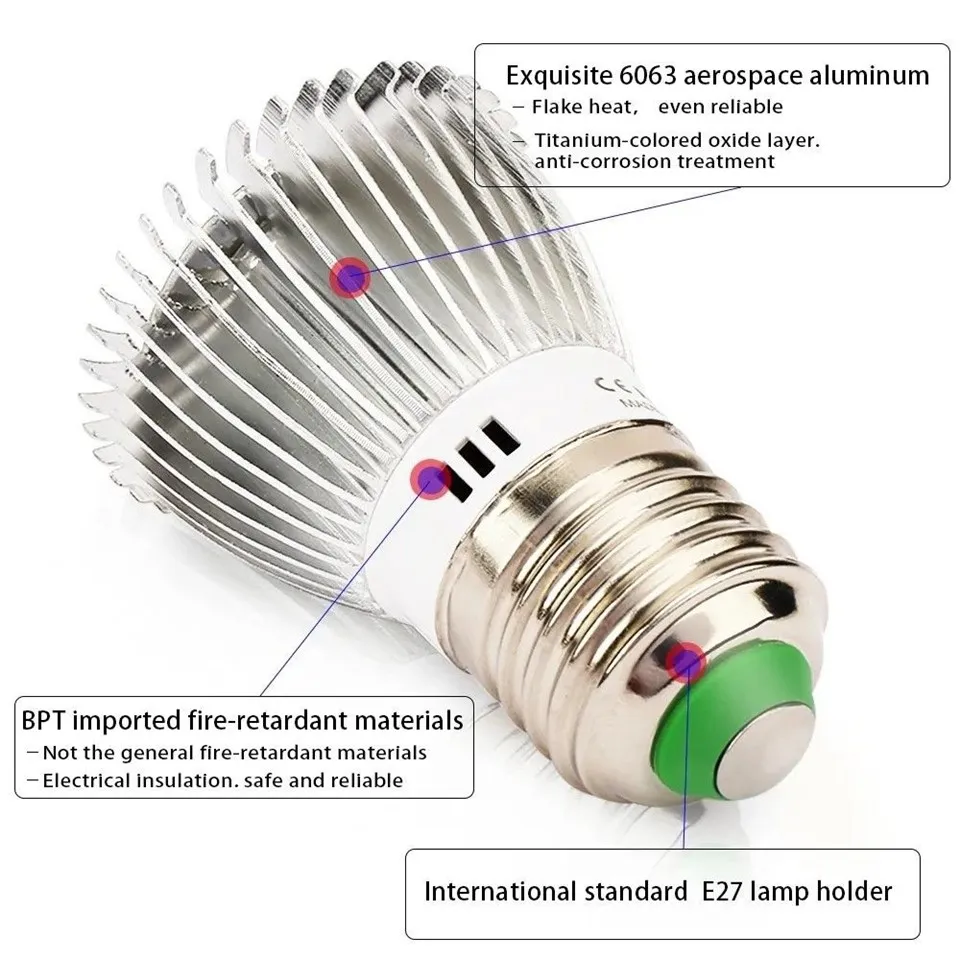
Our company offers a range of LED plant light bulbs, including those with and without UV emissions. For general indoor plant growth, our E27 Grow Light Bulb is a popular choice. It provides a balanced spectrum of red and blue light to support healthy plant growth without the addition of UV rays.
If you are interested in the potential benefits of UV exposure for your plants, we also offer Ir Grow Light Bulb and Indoor Grow Light Bulb options that can be customized to include a small amount of UV emissions. These bulbs are carefully engineered to ensure that the UV levels are within a safe and beneficial range for plants.
Measuring UV Emissions in LED Plant Light Bulbs
When it comes to determining whether a particular LED plant light bulb emits UV rays, it's important to look at the product specifications. Reputable manufacturers will provide detailed information about the spectral output of their bulbs, including the presence and intensity of UV emissions.
In addition to checking the product specifications, you can also use a UV meter to measure the actual UV output of the bulb. This can be a useful tool, especially if you are conducting experiments or need to ensure that the UV levels are appropriate for your specific plants.
Safety Considerations
If you are using LED plant light bulbs with UV emissions, it's important to take safety precautions. UV rays can be harmful to human skin and eyes. When working with these bulbs, it's recommended to wear protective clothing, such as long - sleeved shirts and sunglasses, to minimize exposure.
Conclusion
In conclusion, while not all LED plant light bulbs emit UV rays, there are options available that can provide a small amount of UV exposure for specific plant cultivation needs. As a supplier of LED plant light bulbs, we understand the importance of providing our customers with high - quality products that meet their specific requirements.
Whether you are a hobbyist gardener looking to grow healthy indoor plants or a commercial grower in need of specialized lighting solutions, we have the expertise and products to help you achieve your goals. If you have any questions about our LED plant light bulbs, including those with UV emissions, or if you are interested in discussing a potential purchase, please feel free to reach out. We are always happy to assist you in finding the perfect lighting solution for your plants.
References
- Taiz, L., & Zeiger, E. (2010). Plant Physiology. Sinauer Associates.
- Smith, H. (1982). Light and Plant Development. Academic Press.
- Britt, A. B. (1996). Arabidopsis, UV - B, and DNA repair. The Plant Cell, 8(3), 383 - 390.


