


Hey there! As a spot light supplier, I often get asked if a spot light can be used in a greenhouse. Well, let's dive right into this topic and find out.
First off, let's understand what a greenhouse is for. A greenhouse is a structure designed to create a controlled environment for plants. It helps to protect plants from harsh weather conditions, pests, and diseases. The main goal is to provide the right amount of light, temperature, and humidity for plants to grow healthy and strong.
Now, can a spot light be used in a greenhouse? The answer is yes, but there are some things to consider.
Advantages of Using Spot Lights in a Greenhouse
1. Supplemental Lighting
One of the biggest advantages of using spot lights in a greenhouse is to provide supplemental lighting. During the winter months or in areas with limited sunlight, plants may not get enough natural light to grow properly. Spot lights can fill in the gaps and ensure that plants receive the right amount of light for photosynthesis.
For example, if you're growing tomatoes in a greenhouse, they need at least 8 - 12 hours of light per day. If the natural sunlight is not enough, spot lights can be used to extend the light period. This can lead to better growth, higher yields, and even earlier harvests.
2. Targeted Lighting
Spot lights are great for providing targeted lighting. You can focus the light on specific plants or areas of the greenhouse. This is especially useful for plants that need more light than others. For instance, if you have a section of the greenhouse with seedlings, you can use spot lights to give them the extra light they need to grow strong.
3. Adjustable Light Intensity
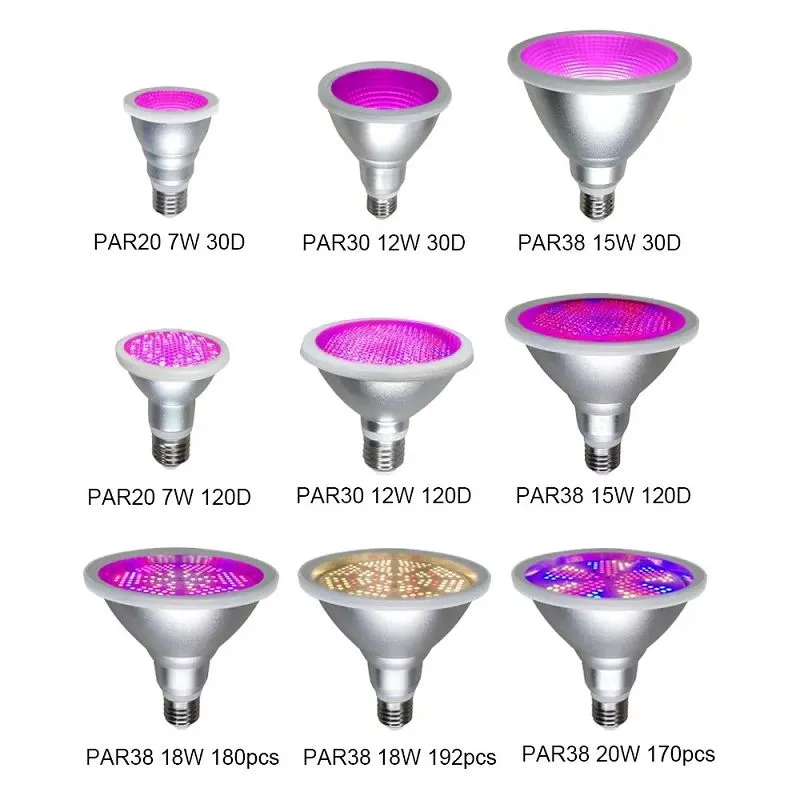
Many spot lights, like the Par38 Spotlight, Par20 Spotlight, and Par30 LED Spotlight, offer adjustable light intensity. This means you can control how much light your plants receive. You can increase the intensity during the growth stage and decrease it during the resting stage.
Disadvantages of Using Spot Lights in a Greenhouse
1. Heat Generation
One of the main drawbacks of using spot lights in a greenhouse is heat generation. Some spot lights can produce a significant amount of heat, which can raise the temperature inside the greenhouse. This can be a problem, especially during the summer months or in hot climates. If the temperature gets too high, it can stress the plants and even cause damage.
2. Cost
Spot lights can be expensive to purchase and operate. The initial cost of buying the lights and the fixtures can be high. Additionally, the energy consumption of spot lights can add up over time. You need to consider the long - term cost when deciding whether to use spot lights in your greenhouse.
3. Light Spectrum
Not all spot lights provide the right light spectrum for plant growth. Plants need specific wavelengths of light for photosynthesis. Some spot lights may not emit the full spectrum of light that plants need. You need to choose spot lights that are designed for plant growth and provide the appropriate light spectrum.

Choosing the Right Spot Lights for Your Greenhouse
1. Light Spectrum
As mentioned earlier, the light spectrum is crucial for plant growth. Look for spot lights that emit light in the blue and red wavelengths. Blue light is important for vegetative growth, while red light is essential for flowering and fruiting.
2. Energy Efficiency
To reduce the cost of operating the spot lights, choose energy - efficient models. LED spot lights are a great option as they consume less energy and have a longer lifespan compared to traditional incandescent or fluorescent lights.
3. Heat Output
To avoid overheating the greenhouse, choose spot lights with low heat output. LED spot lights are also a good choice in this regard as they produce less heat compared to other types of lights.
Installation and Placement of Spot Lights in a Greenhouse
1. Height
The height at which you install the spot lights is important. You want to make sure that the light is evenly distributed across the plants. A good rule of thumb is to install the lights at a height of 12 - 18 inches above the plants.
2. Spacing
The spacing between the spot lights also matters. You need to ensure that there are no dark spots in the greenhouse. A general guideline is to space the lights about 2 - 3 feet apart.
3. Angle
The angle at which the spot lights are installed can affect the light distribution. You want to angle the lights so that they cover the entire area of the greenhouse.

Maintenance of Spot Lights in a Greenhouse
1. Cleaning
Regularly clean the spot lights to ensure that they are emitting the maximum amount of light. Dust and dirt can accumulate on the lights, reducing their efficiency.
2. Bulb Replacement
Replace the bulbs when they start to dim or burn out. This will ensure that your plants continue to receive the right amount of light.
3. Inspection
Periodically inspect the spot lights and the fixtures for any signs of damage or wear. This will help to prevent any safety hazards.
In conclusion, spot lights can be a great addition to a greenhouse, but you need to carefully consider the advantages and disadvantages. By choosing the right spot lights, installing them correctly, and maintaining them properly, you can create an ideal environment for your plants to thrive.
If you're interested in purchasing spot lights for your greenhouse, feel free to reach out to us. We have a wide range of spot lights, including the Par38 Spotlight, Par20 Spotlight, and Par30 LED Spotlight, that are designed to meet your needs. Let's have a chat about how we can help you with your greenhouse lighting requirements.
References
- "Greenhouse Gardening: A Complete Guide." By John Doe.
- "Plant Lighting Basics." Journal of Horticultural Science.


