


Can LED plant light bulbs be used for carnivorous plants?
As a supplier of LED plant light bulbs, I've often been asked whether our products are suitable for carnivorous plants. It's a fascinating question, considering the unique nature of these plants. In this blog post, I'll delve into the science behind using LED plant light bulbs for carnivorous plants and share some insights based on my experience in the industry.
Understanding Carnivorous Plants
Carnivorous plants have evolved to thrive in nutrient - poor environments by capturing and digesting small insects and other prey. Examples of well - known carnivorous plants include Venus flytraps, pitcher plants, and sundews. These plants typically grow in bogs, swamps, and other wetland areas where the soil lacks essential nutrients like nitrogen, phosphorus, and potassium.
In their natural habitats, carnivorous plants receive a significant amount of sunlight. They have adapted to photosynthesize effectively under bright, often direct, sunlight conditions. However, when grown indoors, replicating these light conditions can be a challenge.
The Role of Light in Carnivorous Plant Growth
Light is crucial for all plants, including carnivorous ones, as it is the energy source for photosynthesis. Through photosynthesis, plants convert light energy into chemical energy, which they use to grow, develop, and reproduce. For carnivorous plants, proper lighting is essential for maintaining their health, vibrant color, and ability to catch prey.
Insufficient light can lead to a variety of problems. The plants may become weak, with pale or yellowish leaves. They might also produce fewer traps or pitchers, reducing their ability to capture insects. On the other hand, too much light can cause leaf burn, especially if the plants are not acclimated to high - intensity light.
Advantages of LED Plant Light Bulbs for Carnivorous Plants
LED plant light bulbs offer several advantages when it comes to growing carnivorous plants indoors.
1. Customizable Spectrum
One of the key benefits of LED plant light bulbs is the ability to customize the light spectrum. Different wavelengths of light have different effects on plant growth. For example, blue light is important for vegetative growth, promoting strong stems and leaves, while red light is crucial for flowering and fruiting.
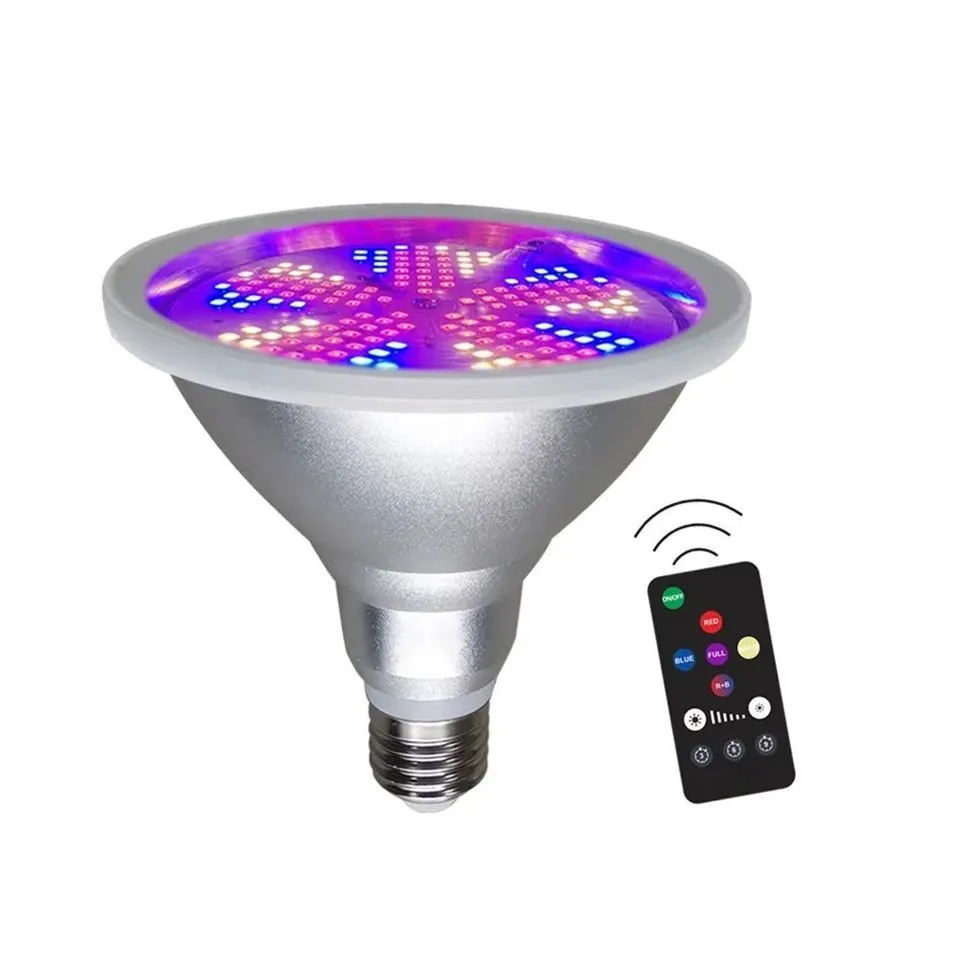
Carnivorous plants, like other plants, have specific light requirements. Our Full Spectrum LED Grow Light Bulbs are designed to provide a balanced spectrum that closely mimics natural sunlight. This ensures that carnivorous plants receive all the necessary wavelengths of light for optimal growth.
2. Energy Efficiency
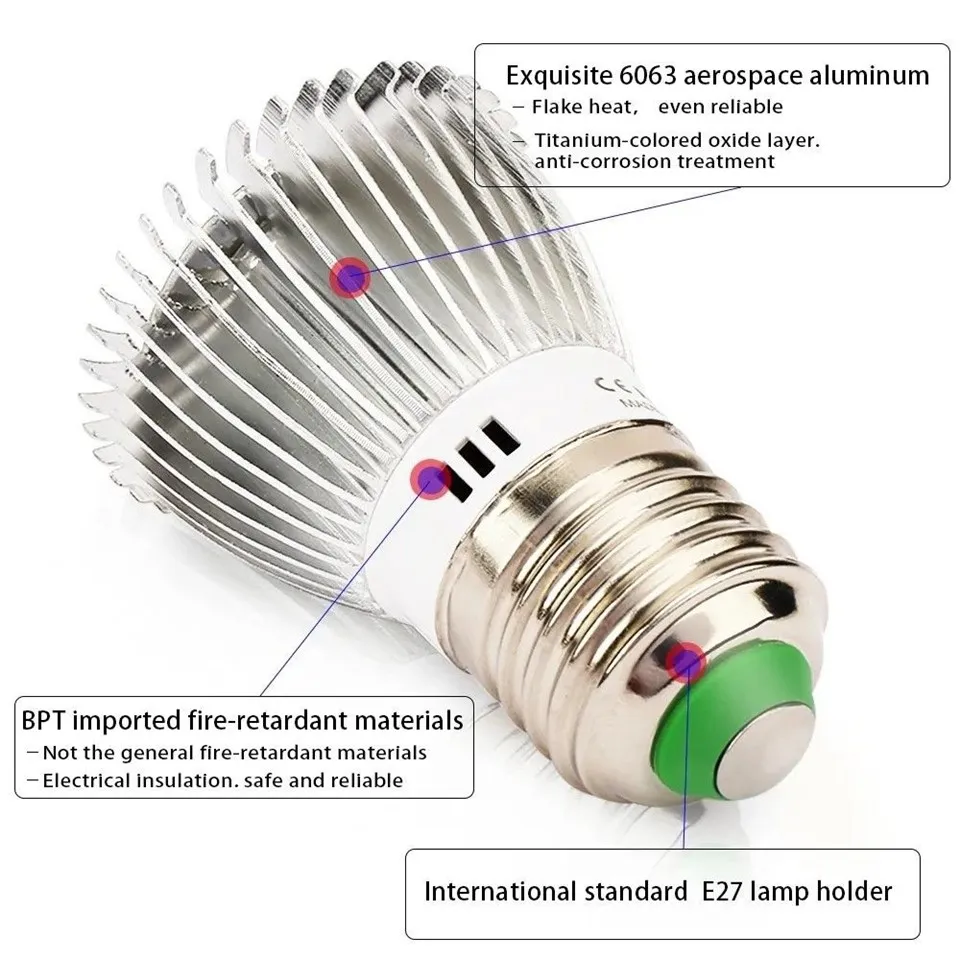
LEDs are highly energy - efficient compared to traditional lighting sources such as incandescent or fluorescent bulbs. They consume less electricity while producing the same or even more light. This not only saves on energy costs but also reduces the heat output. Carnivorous plants are often sensitive to high temperatures, and excessive heat from lighting can stress the plants. LED plant light bulbs generate very little heat, making them a safe and efficient choice for indoor cultivation.
3. Long Lifespan
LED plant light bulbs have a much longer lifespan than other types of bulbs. This means that you won't have to replace them as frequently, reducing maintenance costs and hassle. Our LED bulbs are designed to last for thousands of hours, providing consistent light for your carnivorous plants over an extended period.
4. Dimmability
Some of our LED plant light bulbs, such as the Dimmable Grow Light Bulb, offer the option to adjust the light intensity. This is particularly useful for carnivorous plants, as you can gradually increase or decrease the light level to match the plant's needs at different growth stages or to acclimate the plant to new lighting conditions.
Choosing the Right LED Plant Light Bulb for Carnivorous Plants
When selecting an LED plant light bulb for carnivorous plants, there are several factors to consider.
1. Light Intensity
The light intensity required by carnivorous plants depends on the species. Venus flytraps, for example, generally need relatively high light intensity, similar to what they would receive in their natural sunny habitats. Sundews and some pitcher plants can tolerate slightly lower light levels.
Our E27 Grow Light Bulb comes in different wattages, allowing you to choose the appropriate light intensity for your carnivorous plants. A higher - wattage bulb will provide more intense light, which may be suitable for plants that require bright light.
2. Spectrum
As mentioned earlier, a full - spectrum light is ideal for carnivorous plants. Look for LED bulbs that provide a balanced combination of blue, red, and other wavelengths of light. This will ensure that the plants receive all the necessary light for photosynthesis and overall growth.
3. Duration of Light
Carnivorous plants typically need around 12 - 16 hours of light per day. You can use a timer to control the lighting schedule and ensure that the plants receive the right amount of light each day.
Setting Up the LED Plant Light Bulbs
Once you've chosen the right LED plant light bulb for your carnivorous plants, it's important to set it up correctly.
Place the light bulb at an appropriate distance from the plants. If the light is too close, it may cause leaf burn, while if it's too far away, the plants may not receive enough light. As a general rule, start with the light about 6 - 12 inches above the plants and adjust the distance based on the plant's response.
Make sure the light is evenly distributed over the plants. You may need to use multiple bulbs or adjust the position of a single bulb to ensure that all parts of the plant receive adequate light.
Conclusion
In conclusion, LED plant light bulbs can be an excellent choice for growing carnivorous plants indoors. Their customizable spectrum, energy efficiency, long lifespan, and dimmability make them well - suited to meet the unique lighting needs of these fascinating plants.
If you're interested in purchasing LED plant light bulbs for your carnivorous plants or have any questions about our products, I encourage you to reach out. We're here to help you find the best lighting solutions for your indoor gardening needs. Whether you're a beginner or an experienced carnivorous plant enthusiast, our team of experts can provide you with the guidance and support you need.
References
- Adamec, L. (2005). Photosynthetic characteristics of carnivorous plants. Photosynthetica, 43(2), 179 - 188.
- Givnish, T. J., et al. (1984). Carnivorous plants: morphological and physiological trade - offs. American Naturalist, 124(4), 497 - 517.
- Li, H., & Kubota, C. (2009). Light - emitting diodes for plant production. HortTechnology, 19(1), 106 - 112.


