


Can UV grow light bulbs be used for all types of plants? That's a question I get asked a lot as a supplier of UV Grow Light Bulbs. In this blog, I'm gonna dive deep into this topic, share some insights, and hopefully clear up any confusion you might have.
First off, let's talk about what UV light is and how it affects plants. UV light is a part of the electromagnetic spectrum that has shorter wavelengths than visible light. There are three types of UV light: UVA, UVB, and UVC. UVC is mostly blocked by the Earth's atmosphere, so we mainly focus on UVA and UVB when it comes to plant growth.
Plants have evolved to respond to natural sunlight, which includes a small amount of UV light. UV light can have both positive and negative effects on plants. On the positive side, it can stimulate the production of certain secondary metabolites, like flavonoids and anthocyanins. These compounds help plants protect themselves from UV damage, pests, and diseases. They can also enhance the color, flavor, and nutritional value of fruits and vegetables. For example, some studies have shown that exposing strawberries to UV light can increase their antioxidant content and make them taste sweeter.
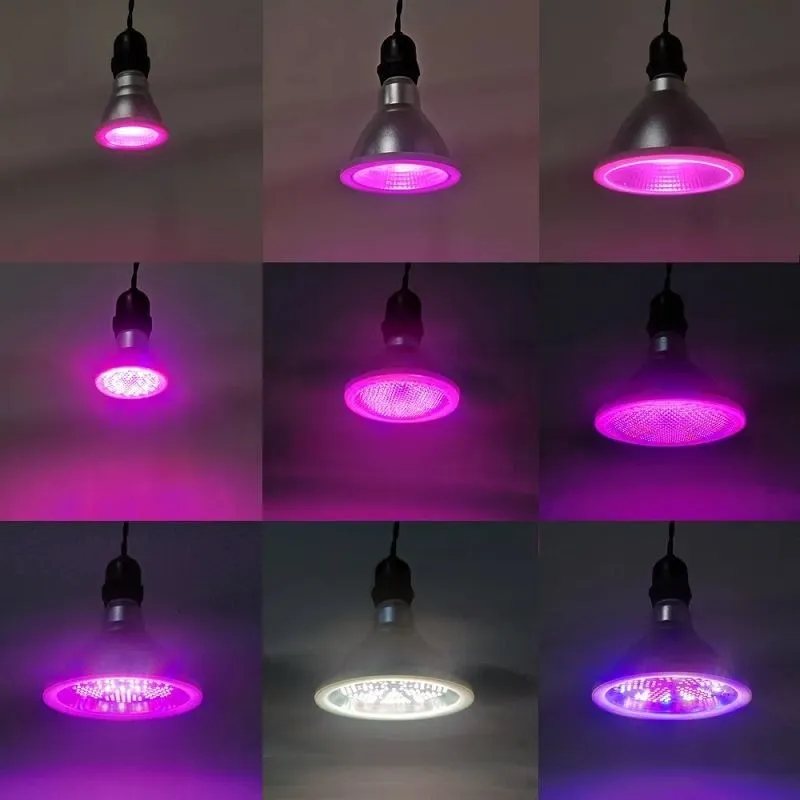
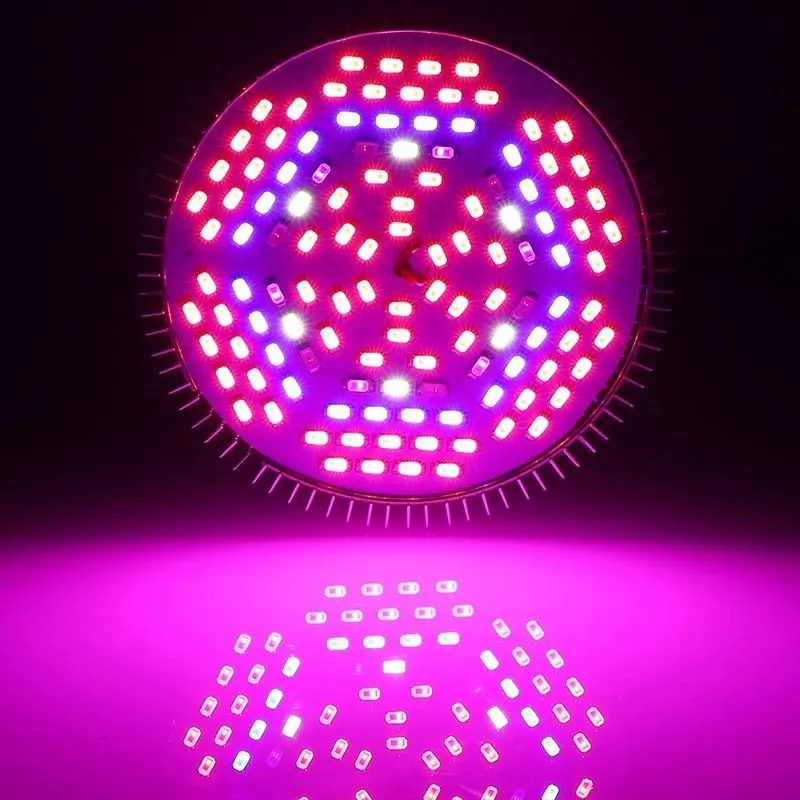
However, too much UV light can also be harmful to plants. It can cause DNA damage, oxidative stress, and reduced photosynthesis. Different plants have different tolerances to UV light, depending on their natural habitats and evolutionary adaptations. Plants that grow in high - altitude or sunny regions are generally more tolerant of UV light than those from shady or low - light environments.
Now, let's get to the big question: Can UV grow light bulbs be used for all types of plants? The short answer is no. Not all plants need or can tolerate UV light.
Let's start with indoor plants. Many common indoor plants, like pothos, peace lilies, and philodendrons, are native to the understory of tropical rainforests. These plants have adapted to low - light conditions and are not used to high levels of UV light. Using UV grow light bulbs on these plants can actually do more harm than good. They may experience leaf burn, stunted growth, or even die. So, if you're growing these types of plants indoors, it's best to stick with LED Plant Light Bulbs that provide a balanced spectrum of visible light without the addition of UV.
On the other hand, there are some plants that can benefit from UV light. Succulents and cacti, for example, are adapted to bright sunlight and can tolerate higher levels of UV. They have thick, waxy leaves or stems that help protect them from UV damage. Exposing these plants to UV light can help them develop stronger cell walls, more compact growth, and better coloration.
For outdoor plants, the situation is a bit different. Most outdoor plants are already exposed to natural UV light from the sun. However, if you're growing plants in a greenhouse or a shaded area, using Outdoor Grow Light Bulbs with UV can supplement the natural sunlight and provide some of the benefits we talked about earlier. For instance, tomatoes, peppers, and cucumbers can benefit from a little extra UV light, which can improve their fruit quality and yield.
Another group of plants that can benefit from UV light are medicinal plants. Many medicinal plants produce bioactive compounds that are important for their therapeutic properties. UV light can stimulate the production of these compounds, making the plants more potent. For example, some studies have shown that exposing cannabis plants to UV light can increase the production of cannabinoids, which are the active ingredients in medical marijuana.
When it comes to choosing the right UV grow light bulbs, there are a few things to consider. First, you need to make sure the bulbs emit the right type and intensity of UV light. UVA is generally considered safer for plants than UVB, as it causes less damage to DNA. You also need to adjust the distance and duration of light exposure based on the plant's needs. Too much UV light can be just as bad as too little.
We also offer Ir Grow Light Bulb, which can be used in combination with UV light bulbs for some plants. Infrared light can help with plant growth and development, especially in promoting root growth and flowering.
In conclusion, UV grow light bulbs are not a one - size - fits - all solution for plant growth. While they can offer some benefits for certain types of plants, they can also be harmful to others. As a grower, it's important to understand the specific needs of your plants and choose the right lighting system accordingly.
If you're interested in learning more about our UV Grow Light Bulbs or other lighting solutions for your plants, feel free to reach out. We're here to help you make the best choices for your growing needs. Whether you're a hobbyist gardener or a commercial grower, we have the products and expertise to support you.
References
- "The Effects of Ultraviolet Radiation on Plant Growth and Development" by X. Liu and R. L. Last
- "Ultraviolet Radiation and Plant Secondary Metabolism" by C. Mazza and M. E. Oteiza
- "Light Quality and Quantity in Plant Growth and Development" by H. Smith


