


Hey there, fellow aquarium enthusiasts! As a supplier of top - notch Fish Tank Light Bars, I get a ton of questions from customers. One question that pops up quite often is, “Do fish tank light bars need to be grounded?” Let's dive right into this topic and find out.
First off, let's understand what grounding means. Grounding is basically a safety measure that provides a path for electrical current to flow into the ground in case of a short - circuit or other electrical faults. It's like a safety net for your electrical devices.
Now, let's think about fish tanks. Fish tanks are filled with water, and water is a great conductor of electricity. That's a pretty dangerous combination if there's an electrical problem with the light bar. If a fish tank light bar malfunctions and electricity leaks into the water, it can be deadly to the fish and also pose a serious risk to anyone who comes into contact with the water.
So, does that mean fish tank light bars always need to be grounded? Well, it depends.
When Grounding Is a Must
In most commercial settings or in large public aquariums, grounding is non - negotiable. These setups usually have a lot of electrical equipment and operate on higher voltages. There's a much greater risk of electrical faults, and the consequences of an electrical accident can be catastrophic. For example, in a public aquarium with hundreds of rare and expensive fish, a single electrical leak could wipe out an entire ecosystem.
Even in some high - end home aquariums with complex lighting systems, grounding is highly recommended. If you're using a Fish Tank Light Bar that has a high - wattage output or a lot of advanced features, there's an increased chance of electrical issues. Grounding these types of light bars can prevent serious accidents.
When Grounding Might Not Be Necessary
For small, basic home aquariums, some light bars may not require grounding. Many modern Fish Tank Light Bars are designed with built - in safety features. They use low voltages, usually in the range of 12V or 24V, which significantly reduces the risk of electrical shock. These low - voltage systems are much safer to use around water, and the chances of a dangerous electrical leak are relatively low.
However, that doesn't mean you should be careless. Even with low - voltage light bars, it's important to follow the manufacturer's instructions carefully. If the instructions recommend grounding, you should do it.
The Benefits of Grounding Fish Tank Light Bars
Let's talk about why grounding is such a good idea. The most obvious benefit is safety. Grounding provides an extra layer of protection against electrical shocks. It ensures that if there's a fault in the light bar, the electricity will flow harmlessly into the ground instead of into the water or through you when you touch the tank.
Another benefit is the protection of your equipment. Electrical faults can cause damage to your Fish Tank Light Bar and other aquarium equipment. By grounding your light bar, you can reduce the risk of damage caused by electrical surges or short - circuits. This can save you money in the long run by extending the lifespan of your lighting equipment.
How to Ground a Fish Tank Light Bar
If you've decided that your fish tank light bar needs to be grounded, here's a simple guide. First, make sure you turn off the power to the light bar. Safety first, right?
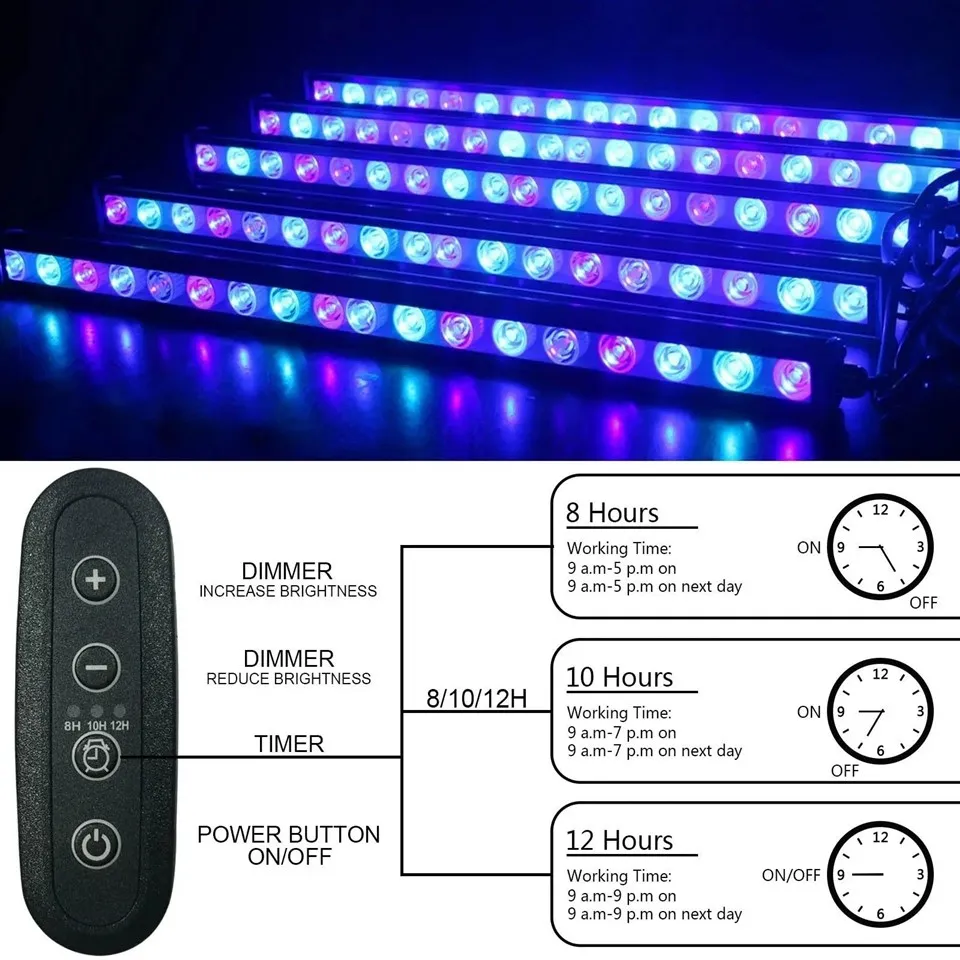

Check if your light bar has a grounding terminal. Many modern light bars come with a dedicated grounding point. If it does, you'll need a grounding wire. Connect one end of the grounding wire to the grounding terminal on the light bar.
The other end of the wire should be connected to a proper grounding source. This could be a grounding rod that's driven into the ground outside your home or a grounding point in your electrical panel. If you're not sure how to do this, it's best to call a professional electrician. They have the knowledge and tools to ensure that the grounding is done correctly.
Our Product Range
At our company, we offer a wide variety of Fish Tank Light Bars to suit different needs. Whether you have a small home aquarium or a large commercial setup, we've got you covered. Our Fish Tank Light Bar is designed with quality and safety in mind.
We also have UV LED Fish Tank Light options. UV lights can be great for promoting the growth of certain types of plants in your aquarium and can also enhance the colors of your fish. And if you prefer a more traditional setup, our Fish Tank Light Bulb selection offers reliable and cost - effective lighting solutions.
Conclusion
So, to answer the question “Do fish tank light bars need to be grounded?” It's a bit of a yes and no. In general, for safety reasons, heavier - duty and high - voltage light bars should be grounded. But for low - voltage, basic light bars, it may not always be necessary, depending on the manufacturer's instructions.
If you're still not sure whether your fish tank light bar needs grounding or if you have any other questions about our products, don't hesitate to reach out. We're here to help you create the perfect environment for your aquatic friends. Whether you're a newbie to the aquarium world or a seasoned pro, we've got the right lighting solutions for you.
If you're interested in purchasing our Fish Tank Light Bars, UV LED Fish Tank Lights, or Fish Tank Light Bulbs, feel free to start the conversation. Let's work together to take your aquarium lighting to the next level!
References
- National Electrical Code (NEC)
- Aquarium Lighting Manufacturer's Guidelines
- Electrical Safety Standards for Underwater Equipment


