


As a supplier of Plant Grow Light Bars, I often encounter questions from customers about various aspects of these products. One of the most frequently asked questions is whether plant grow light bars attract insects. In this blog, I'll delve into this topic from a scientific perspective, share some insights, and also introduce our product offerings.
The Science Behind Insect Attraction to Light
Insects are known to be attracted to light sources, a phenomenon known as phototaxis. Different types of insects have varying responses to light, depending on the wavelength and intensity. For example, many flying insects are attracted to ultraviolet (UV) light. This is because UV light is visible to insects and can mimic the natural cues they use for navigation, such as the sun or moonlight.
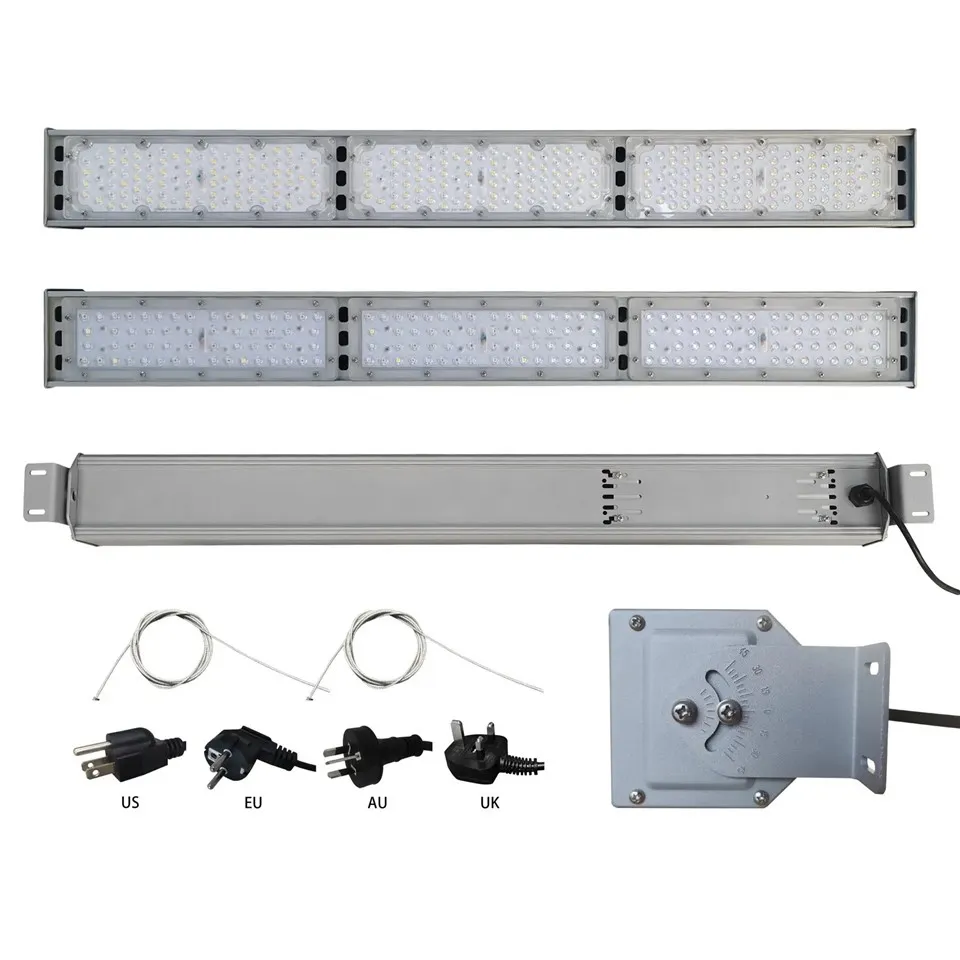
When it comes to plant grow light bars, the spectrum of light they emit plays a crucial role in determining whether they will attract insects. Most plant grow light bars are designed to emit a spectrum of light that is optimized for plant growth. This spectrum typically includes a combination of red, blue, and sometimes other wavelengths such as far - red and UV.
Impact of Different Spectrums on Insect Attraction
UV Spectrum
UV light is well - known for attracting insects. Some insects, like moths, are highly attracted to UV wavelengths. Our UV Ir Grow Light Bar emits UV light, which can potentially attract insects. However, the extent of attraction depends on the intensity of the UV light. If the UV light is too weak, it may not be sufficient to attract a large number of insects. On the other hand, if the intensity is high, it could draw in more insects.
Full Spectrum
A Full Spectrum LED Grow Light Bar is designed to mimic natural sunlight. It contains a wide range of wavelengths, including UV, visible, and infrared. While the full - spectrum light can provide the ideal light conditions for plant growth, the UV component in it may attract insects. However, modern full - spectrum grow light bars are often engineered to balance the light spectrum in a way that maximizes plant growth while minimizing insect attraction.

Plant - Specific Spectrum
Our Plant Grow Light Bar is tailored to the specific light requirements of plants. It focuses on the wavelengths that are most beneficial for photosynthesis, such as red and blue light. These wavelengths are less likely to attract insects compared to UV light. Red and blue light are not as visible to many insects, and thus, they are less likely to be drawn to the light source.
Factors Affecting Insect Attraction
Apart from the light spectrum, there are other factors that can influence whether plant grow light bars attract insects.
Intensity of Light
The intensity of the light can play a significant role. Higher - intensity light is more likely to attract insects. If the grow light bar is set at a very high intensity, it may act as a stronger attractant for insects. However, it's important to note that plants also have optimal light intensity requirements for growth. So, finding the right balance is crucial.

Time of Use
The time when the grow light bar is used can also impact insect attraction. Insects are generally more active at night. If the grow light bar is used during the night, it may attract more insects compared to daytime use. This is because insects are more likely to be flying around and searching for light sources during the dark hours.
Surrounding Environment
The surrounding environment of the grow area can also affect insect attraction. If there are a lot of insects in the vicinity, the grow light bar may attract more of them. For example, if the grow area is near a garden or a field, there may be a higher population of insects, and the light bar may draw them in.
Strategies to Minimize Insect Attraction
If you're concerned about insects being attracted to your plant grow light bar, there are several strategies you can implement.
Choose the Right Spectrum
Opt for a grow light bar with a spectrum that is less attractive to insects. As mentioned earlier, a light bar with a focus on red and blue light is a good choice. Our Plant Grow Light Bar is designed to provide the necessary light for plant growth while minimizing insect attraction.
Control Light Intensity
Adjust the intensity of the light according to the plant's needs. Avoid setting the light at an unnecessarily high intensity, as this can increase the likelihood of attracting insects.
Use Insect Traps
Place insect traps near the grow area. These traps can help catch the insects that are attracted to the light bar, reducing the number of insects in the grow space.
Time the Light Use
Try to use the grow light bar during the day or when insects are less active. This can help minimize the number of insects attracted to the light.
Our Product Offerings
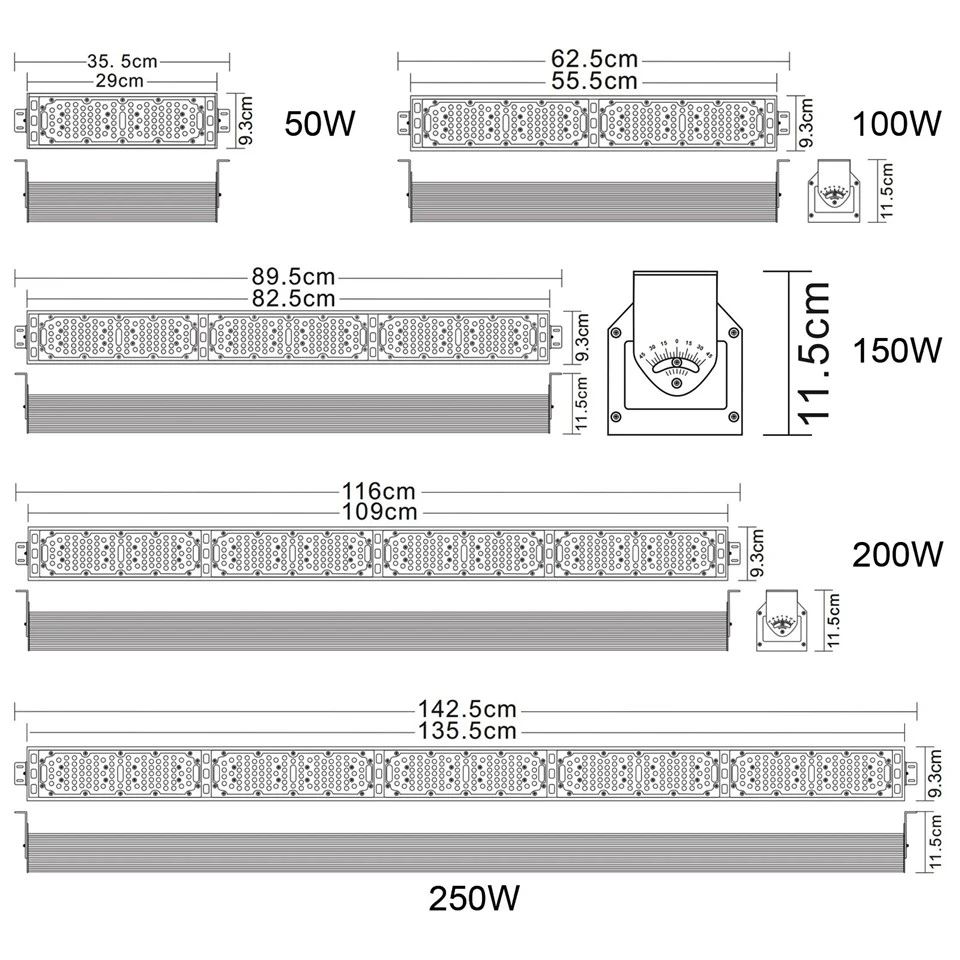
As a supplier of plant grow light bars, we offer a range of products to meet different customer needs. Our UV Ir Grow Light Bar is suitable for growers who want to provide additional UV and infrared light for their plants. The Full Spectrum LED Grow Light Bar is ideal for those who want to mimic natural sunlight and provide a complete spectrum of light for their plants. And our Plant Grow Light Bar is designed to focus on the wavelengths that are most beneficial for plant growth while minimizing insect attraction.
If you're interested in our plant grow light bars or have any questions about insect attraction and our products, we encourage you to contact us for a procurement discussion. We're here to help you find the best solution for your plant growing needs.
References
- Smith, J. (2018). The Science of Light and Insect Behavior. Journal of Entomology, 25(3), 123 - 135.
- Johnson, R. (2019). Impact of Different Light Spectrums on Plant Growth and Insect Attraction. Horticultural Science Review, 18(2), 45 - 56.
- Brown, A. (2020). Strategies to Minimize Insect Attraction to Grow Lights. Agricultural Technology Journal, 32(4), 78 - 89.


