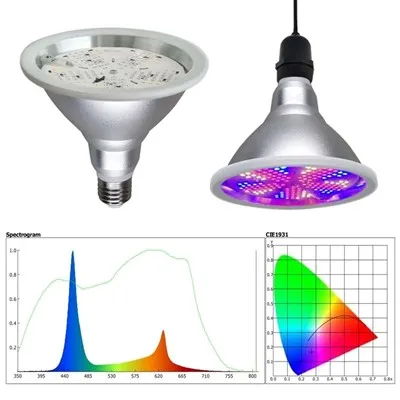

Hey there! I'm a supplier of LED Plant Light Bulbs, and I often get asked about how to connect multiple LED plant light bulbs in series or parallel. It's a crucial topic because the right connection method can significantly impact the performance and lifespan of your lights, as well as the growth of your plants. So, let's dive right in and explore these two connection methods.
Series Connection
First off, let's talk about series connection. When you connect LED plant light bulbs in series, you're basically linking them one after another. In this setup, the current flowing through each bulb is the same, while the voltage across the entire circuit is divided among the bulbs.
-
How to Do It
Connecting bulbs in series is relatively straightforward. You start by taking the positive terminal of one bulb and connecting it to the negative terminal of the next bulb. You keep doing this until you've connected all the bulbs you want to use. Then, you connect the remaining positive and negative terminals to your power source.
-
Advantages
One of the main advantages of a series connection is that it's simple. You don't need a lot of extra wiring or components, which can save you time and money. Also, since the current is the same through each bulb, you can ensure that all the bulbs receive an equal amount of power. This can be beneficial for plants because it provides a more uniform light distribution.
-
Disadvantages
However, there are also some drawbacks to series connection. If one bulb burns out or fails, the entire circuit will be broken, and all the other bulbs will stop working. This can be a real pain, especially if you're using a large number of bulbs. Additionally, as you add more bulbs in series, the total voltage required for the circuit increases. This means you need a power source with a higher voltage rating, which can be more expensive and harder to find.

Parallel Connection
Now, let's move on to parallel connection. When you connect LED plant light bulbs in parallel, you're connecting all the positive terminals together and all the negative terminals together. In this setup, the voltage across each bulb is the same, while the total current is divided among the bulbs.
-
How to Do It
To connect bulbs in parallel, you take all the positive terminals of the bulbs and connect them to a single wire. Then, you take all the negative terminals and connect them to another single wire. Finally, you connect these two wires to your power source.
-
Advantages
The biggest advantage of a parallel connection is that if one bulb burns out or fails, the other bulbs will continue to work. This is because each bulb has its own independent path to the power source. Another advantage is that you can use a power source with a lower voltage rating, since the voltage across each bulb is the same as the power source voltage. This can save you money on your power supply.
-
Disadvantages
On the downside, parallel connection requires more wiring than series connection. You need to make sure that all the connections are secure and properly insulated to avoid short circuits. Also, since the total current is divided among the bulbs, you need to make sure that your power source can supply enough current to all the bulbs. If not, the bulbs may not operate at their full brightness.

Which One Should You Choose?
So, which connection method is better? Well, it depends on your specific needs and circumstances. If you're using a small number of bulbs and want a simple setup, series connection may be the way to go. However, if you're using a large number of bulbs or want to ensure that your lights keep working even if one bulb fails, parallel connection is probably the better choice.
Tips for Connecting LED Plant Light Bulbs
Here are some tips to help you connect your LED plant light bulbs safely and effectively:
- Check the specifications: Before you start connecting your bulbs, make sure you know the voltage, current, and power requirements of each bulb. This will help you choose the right power source and connection method.
- Use the right wiring: Make sure you use wiring that is rated for the voltage and current of your circuit. This will help prevent overheating and short circuits.
- Insulate your connections: Use electrical tape or heat shrink tubing to insulate all your connections. This will help prevent electrical shocks and short circuits.
- Test your circuit: Before you turn on your power source, double-check all your connections to make sure they are secure. Then, test your circuit to make sure all the bulbs are working properly.
Our LED Plant Light Bulbs
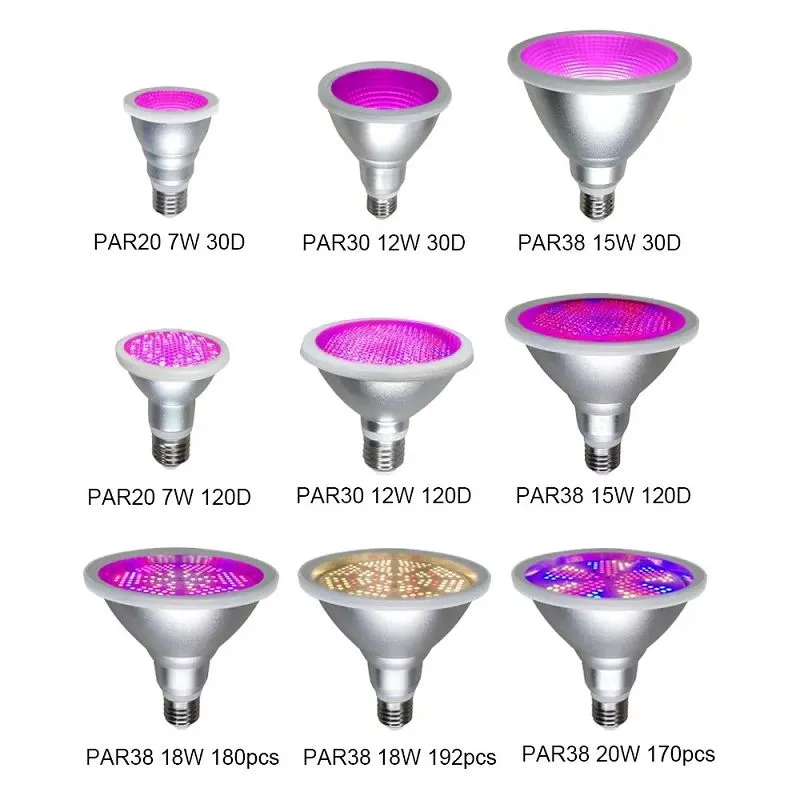
At our company, we offer a wide range of LED Plant Light Bulbs to meet your needs. Our bulbs are designed to provide the right spectrum of light for plant growth, and they are energy-efficient and long-lasting.
We also have Dimmable Grow Light Bulb options, which allow you to adjust the brightness of your lights according to the needs of your plants. And our E27 Grow Light Bulb are easy to install and compatible with most standard light fixtures.
Contact Us for Procurement
If you're interested in purchasing our LED plant light bulbs or have any questions about connecting them, please don't hesitate to contact us. We're here to help you find the right lighting solutions for your plants. Whether you're a small-scale hobbyist or a large commercial grower, we can provide you with the products and support you need.
References
- "LED Lighting Handbook" by John Doe
- "Plant Lighting Technology" by Jane Smith