


As a supplier of Wrgb Aquarium Lights, I understand the importance of proper maintenance to ensure the longevity and optimal performance of these high - quality lighting systems. In this blog, I'll share some in - depth knowledge on how to maintain your Wrgb Aquarium Light, so you can keep your aquarium looking its best for years to come.
Regular Cleaning
One of the most fundamental steps in maintaining your Wrgb Aquarium Light is regular cleaning. Over time, dust, algae, and water splashes can accumulate on the light fixture, which not only affects the aesthetic appearance but also reduces the light output.
To clean the exterior of the light, start by unplugging the light from the power source to avoid any electrical hazards. Use a soft, dry microfiber cloth to gently wipe away the dust. If there are stubborn stains or water marks, slightly dampen the cloth with distilled water. Avoid using abrasive materials or harsh chemicals as they can scratch the surface of the light and damage the protective coating.
For the interior of the light, especially if it has a removable cover, be extremely careful. Remove the cover following the manufacturer's instructions. If there is algae growth inside, use a soft brush, like a toothbrush, to gently scrub the affected areas. Then, rinse the parts with distilled water and let them dry completely before reassembling the light.
Inspecting the Electrical Components
Electrical components are the heart of your Wrgb Aquarium Light. Regular inspections can prevent potential electrical problems that could lead to system failure or even pose a safety risk.
Check the power cord for any signs of fraying, cracking, or exposed wires. If you notice any damage, replace the power cord immediately. You can purchase a compatible power cord from the manufacturer or a reliable electronics store.
Inspect the connectors between the light fixture and the power source. Make sure they are tight and free from corrosion. If you find any corrosion, use a small amount of electrical contact cleaner to clean the connectors. After cleaning, dry them thoroughly before reconnecting.
It's also a good idea to test the light periodically. Turn on the light and check if all the color channels (Wrgb stands for White, Red, Green, Blue) are working properly. If you notice any flickering, dimming, or abnormal color output, it could indicate an issue with the internal circuitry or a malfunctioning LED. In such cases, it's advisable to contact the manufacturer for further troubleshooting or repair.
Managing Heat
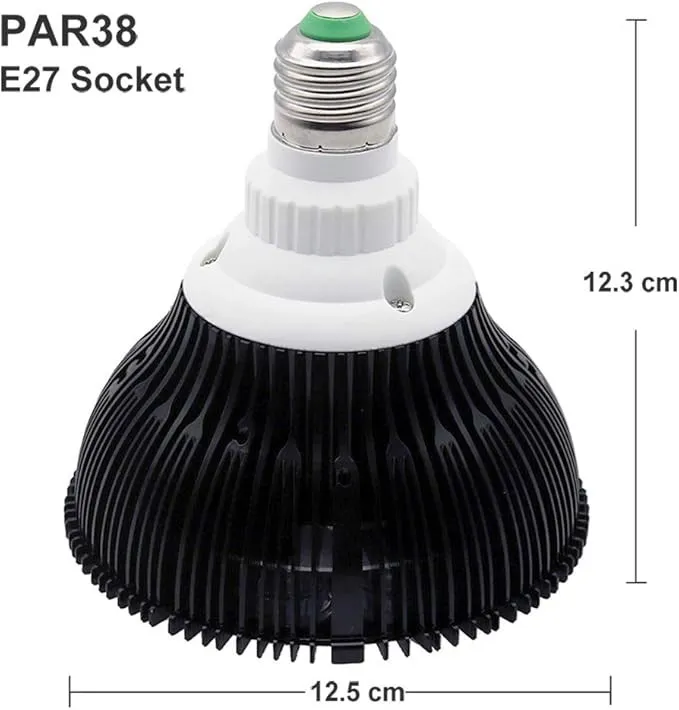
Wrgb Aquarium Lights generate heat during operation. Excessive heat can shorten the lifespan of the LEDs and other components. Therefore, proper heat management is crucial for maintaining the light.
Ensure that the light has adequate ventilation. Most Wrgb Aquarium Lights are designed with ventilation holes or fans to dissipate heat. Make sure these ventilation channels are not blocked by decorations, plants, or other objects in the aquarium.
If your light has a built - in fan, check it regularly to ensure it is working properly. A malfunctioning fan can cause heat to build up inside the light fixture. If the fan is not spinning or making unusual noises, it may need to be replaced.
You can also consider installing a temperature monitoring device near the light. This will allow you to keep an eye on the temperature and take action if it exceeds the recommended range. Some advanced Wrgb Aquarium Lights come with built - in temperature sensors that can automatically adjust the fan speed or power output to maintain a safe temperature.
Calibration and Software Updates
Many modern Wrgb Aquarium Lights come with advanced software that allows you to customize the lighting settings, such as color intensity, lighting schedules, and sunrise/sunset simulations. Regular calibration and software updates are essential for optimal performance.
Calibration ensures that the colors and intensities of the LEDs are accurate. Follow the manufacturer's instructions to calibrate the light periodically. This may involve using a colorimeter or following a calibration wizard in the software.
Software updates often include bug fixes, performance improvements, and new features. Check the manufacturer's website regularly for software updates for your Wrgb Aquarium Light. To install an update, you may need to connect the light to a computer via a USB cable or use a wireless connection, depending on the model.
Protecting from Water Damage
Since the Wrgb Aquarium Light is used in an aquatic environment, protecting it from water damage is of utmost importance.
Ensure that the light is properly sealed. Check the gaskets and seals around the light fixture regularly. If you notice any signs of wear or damage, replace them immediately. A damaged seal can allow water to seep into the light, causing short - circuits and component failure.
Avoid splashing water directly on the light. When performing water changes or cleaning the aquarium, take extra care to prevent water from reaching the light. If water does get on the light, turn it off immediately, unplug it, and dry it thoroughly using a soft cloth.
Comparing with Other Types of Aquarium Lights
It's interesting to compare the Wrgb Aquarium Light with other popular types of aquarium lights, such as UV LED Aquarium Light and Full Spectrum Aquarium Light.
UV LED Aquarium Lights are mainly used for their germicidal properties. They can help reduce algae growth and control harmful microorganisms in the aquarium. However, they do not offer the same level of color customization as Wrgb Aquarium Lights. Wrgb lights allow you to create a more natural and visually appealing lighting environment by adjusting the white, red, green, and blue color channels.
Full Spectrum Aquarium Lights are designed to mimic natural sunlight, providing a wide range of wavelengths that are beneficial for both plants and fish in the aquarium. While they offer a comprehensive light spectrum, Wrgb Aquarium Lights give you more flexibility in terms of color adjustment. You can create different lighting scenes, such as a moonlit night or a bright daytime, according to your preferences.

Conclusion
Maintaining your Wrgb Aquarium Light is not only about ensuring its long - term performance but also about creating a healthy and beautiful environment for your aquarium inhabitants. By following the steps outlined in this blog, you can keep your light in top condition and enjoy its benefits for a long time.
If you are interested in purchasing a high - quality Wrgb Aquarium Light or have any questions about maintenance, feel free to reach out to us. We are here to provide you with professional advice and support. Our team of experts can help you choose the right light for your aquarium and guide you through the maintenance process.
References
- Aquarium Lighting Handbook: A Comprehensive Guide to Lighting for Aquatic Environments
- LED Lighting Technology for Aquariums: Principles and Applications
- Maintenance Best Practices for Aquarium Equipment by leading aquarium equipment manufacturers


