


As a supplier of LED grow light bulbs, I've witnessed firsthand the increasing popularity of these innovative lighting solutions in the horticultural industry. LED grow lights have revolutionized indoor and outdoor plant cultivation, offering numerous benefits over traditional lighting sources. However, it's essential to understand the environmental impacts of these bulbs to make informed decisions about their use. In this blog post, I'll explore the environmental aspects of LED grow light bulbs, including their energy efficiency, lifespan, and potential for reducing carbon emissions.
Energy Efficiency
One of the most significant environmental advantages of LED grow light bulbs is their energy efficiency. Compared to traditional lighting sources such as incandescent, fluorescent, and high-pressure sodium (HPS) lights, LEDs consume significantly less energy while producing the same or more light output. This means that growers can achieve the same level of plant growth and productivity with less electricity, resulting in lower energy bills and reduced carbon emissions.
LEDs are able to convert a higher percentage of electrical energy into light energy, rather than wasting it as heat. This is because LEDs use a semiconductor to emit light, which is a more efficient process than the filament or gas discharge used in traditional lighting sources. As a result, LED grow light bulbs can provide the same amount of light as traditional bulbs while using up to 80% less energy.
The energy efficiency of LED grow light bulbs not only benefits the environment but also makes them a cost-effective choice for growers. By reducing energy consumption, growers can save money on their electricity bills and increase their profitability. Additionally, the lower energy consumption of LEDs means that they generate less heat, which can reduce the need for cooling systems in indoor grow rooms, further saving energy and money.
Lifespan
Another environmental benefit of LED grow light bulbs is their long lifespan. LEDs can last up to 50,000 hours or more, which is significantly longer than traditional lighting sources. This means that growers will need to replace their LED grow light bulbs less frequently, reducing the amount of waste generated by the lighting industry.
The long lifespan of LED grow light bulbs also makes them a more sustainable choice for growers. By reducing the need for frequent replacements, growers can save money on replacement bulbs and reduce their environmental impact. Additionally, the longer lifespan of LEDs means that they require less maintenance and are less likely to break or malfunction, resulting in fewer disruptions to the growing process.
Reduced Carbon Emissions
In addition to their energy efficiency and long lifespan, LED grow light bulbs can also help to reduce carbon emissions. As mentioned earlier, LEDs consume less energy than traditional lighting sources, which means that they generate fewer greenhouse gas emissions during their operation. Additionally, the long lifespan of LEDs means that they require less frequent replacements, which reduces the carbon emissions associated with the manufacturing, transportation, and disposal of lighting products.
The use of LED grow light bulbs can also help to reduce the carbon footprint of the horticultural industry as a whole. By using energy-efficient lighting solutions, growers can reduce their energy consumption and carbon emissions, which can have a significant impact on the environment. Additionally, the use of LED grow light bulbs can help to reduce the demand for fossil fuels, which are a major source of greenhouse gas emissions.
Potential Drawbacks
While LED grow light bulbs offer many environmental benefits, there are also some potential drawbacks to consider. One of the main concerns is the potential for LED grow light bulbs to contain hazardous materials such as lead, mercury, and cadmium. These materials can be harmful to the environment and human health if they are not properly disposed of.
To address this concern, it's important to choose LED grow light bulbs that are certified to meet environmental standards such as RoHS (Restriction of Hazardous Substances) and WEEE (Waste Electrical and Electronic Equipment). These certifications ensure that the bulbs are free from hazardous materials and are designed to be recycled at the end of their lifespan.
Another potential drawback of LED grow light bulbs is their cost. LED grow light bulbs are generally more expensive than traditional lighting sources, which can make them a less attractive option for some growers. However, it's important to consider the long-term savings in energy costs and replacement bulbs when evaluating the cost of LED grow light bulbs. Over time, the energy savings and reduced maintenance costs of LEDs can offset the initial investment, making them a more cost-effective choice in the long run.
Conclusion
In conclusion, LED grow light bulbs offer many environmental benefits over traditional lighting sources. Their energy efficiency, long lifespan, and reduced carbon emissions make them a more sustainable choice for growers and the environment. However, it's important to choose LED grow light bulbs that are certified to meet environmental standards and to consider the potential drawbacks such as the cost and the presence of hazardous materials.
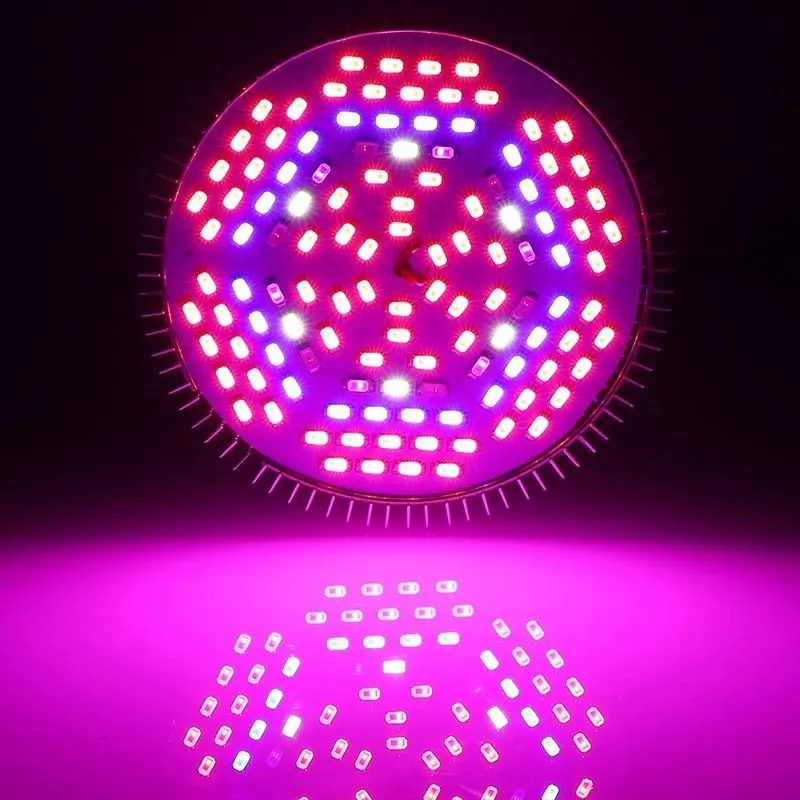
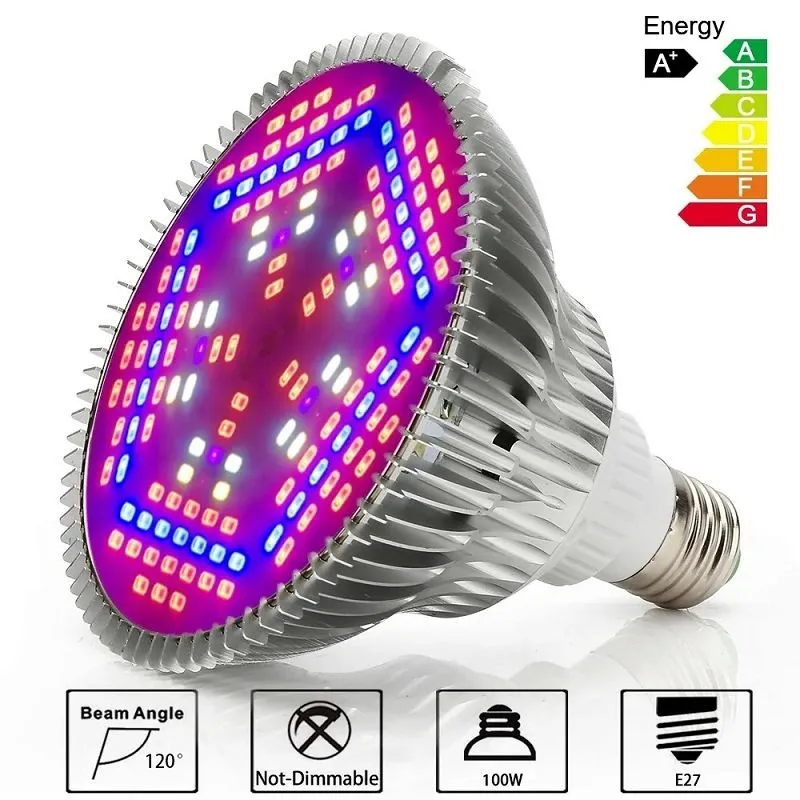
As a supplier of LED grow light bulbs, I'm committed to providing my customers with high-quality, energy-efficient lighting solutions that are both environmentally friendly and cost-effective. If you're interested in learning more about our Outdoor Grow Light Bulbs, UV Grow Light Bulb, or LED Plant Light Bulbs, please don't hesitate to contact me. I'd be happy to answer any questions you may have and help you find the right lighting solution for your growing needs.
References
- "LED Lighting for Horticulture." U.S. Department of Energy.
- "The Environmental Impact of Lighting." Lighting Research Center.
- "Energy Efficiency of LED Lighting." National Renewable Energy Laboratory.


