


Hey there, fellow fish tank enthusiasts! As a supplier of Fish Tank Light Bulb, I've seen firsthand the importance of getting the right lighting for your corner fish tank. In this blog, I'm gonna share some key lighting considerations that you should keep in mind when choosing a light bulb for your corner setup.
1. Size and Shape of the Corner Fish Tank
First things first, the size and shape of your corner fish tank play a huge role in determining the right lighting. Corner tanks come in all sorts of sizes, from small desktop ones to large, floor - standing behemoths. And let's face it, a small corner tank won't need the same amount of light as a big one.
For smaller corner tanks, you can get away with a more compact light bulb. These bulbs usually provide enough illumination without overwhelming the tank. On the other hand, larger corner tanks require more powerful light sources. You might need multiple light bulbs or a single high - wattage bulb to ensure that all areas of the tank get proper lighting.
The shape of the corner tank also matters. Since corner tanks have angled sides, there can be some tricky spots where light might not reach evenly. You'll want to choose a light bulb that can distribute light effectively across the entire tank. Some light bulbs are designed with special reflectors or diffusers to help spread the light more evenly in irregularly shaped tanks.
2. Type of Fish and Plants in the Tank
What's living in your corner fish tank is another crucial factor. Different fish and plants have different lighting needs.
If you have fish that are sensitive to bright light, like some species of catfish or loaches, you'll want to go for a lower - intensity light bulb. These fish are more accustomed to dimly lit environments in the wild, and too much light can stress them out. On the flip side, if you have colorful fish like guppies or angelfish, brighter light can help bring out their vibrant colors.
When it comes to plants, there are three main categories: low - light, medium - light, and high - light plants. Low - light plants, such as Java ferns and Anubias, don't need a lot of light to thrive. A basic light bulb can usually provide enough illumination for these plants. Medium - light plants, like Amazon swords, require a bit more light. You might need a Full Spectrum Fish Tank Light to meet their needs. High - light plants, such as carpeting plants like Dwarf baby tears, need intense light to grow properly. For these, you'll need a high - output light bulb specifically designed for planted tanks.
3. Color Temperature
Color temperature is often overlooked, but it can have a big impact on the look of your corner fish tank. Color temperature is measured in Kelvin (K). Lower color temperatures, around 2700K - 3000K, produce a warm, yellow - orange light, similar to the light of a sunset. This type of light can give your tank a cozy, natural look and is great for creating a relaxing atmosphere.
Higher color temperatures, around 5000K - 6500K, produce a cool, white light that is similar to daylight. This type of light is ideal for planted tanks as it promotes photosynthesis in plants. It also makes the colors of your fish and plants look more vivid and natural.
If you're going for a more natural - looking setup, a combination of warm and cool color temperatures can be really effective. You can use a warm - toned light bulb for the early morning and evening hours to mimic the natural light cycle, and a cool - toned bulb during the day to support plant growth.
4. UV Lighting
UV lighting is another aspect to consider, especially if you have certain types of fish or want to prevent algae growth. UV LED Fish Tank Light can help in several ways.
Some fish, like certain species of cichlids, can benefit from UV light. UV light can enhance their color vision and overall health. It can also help in the production of vitamin D in fish, which is important for their bone development.
In terms of algae control, UV light can be a game - changer. It can kill free - floating algae in the water column, reducing the amount of algae that grows on the tank walls and decorations. However, you need to be careful with UV light. Too much exposure can be harmful to your fish and plants. It's important to choose a UV light bulb with the right intensity and duration of exposure.
5. Energy Efficiency
Let's talk about energy efficiency. Nobody wants to see their electricity bill skyrocket just because of their fish tank lights. LED light bulbs are a great option when it comes to energy efficiency. They use less energy compared to traditional incandescent or fluorescent bulbs, and they also last much longer.
LED bulbs can provide the same amount of light as other types of bulbs while using a fraction of the energy. This means you can save money in the long run on your electricity costs. Plus, LED bulbs produce less heat, which is a bonus as it won't raise the temperature of your fish tank.
6. Light Duration
How long you keep the light on in your corner fish tank is also important. Most fish and plants follow a natural day - night cycle. A good rule of thumb is to keep the light on for about 8 - 12 hours a day. This mimics the natural light cycle and gives your fish and plants a proper rest period.
If you leave the light on for too long, it can lead to excessive algae growth. Algae thrive in the presence of light, and too much light can cause an algae bloom, which can make your tank look messy and can also harm your fish and plants. On the other hand, if you don't provide enough light, your plants won't be able to photosynthesize properly, and your fish might become stressed.
7. Installation and Maintenance
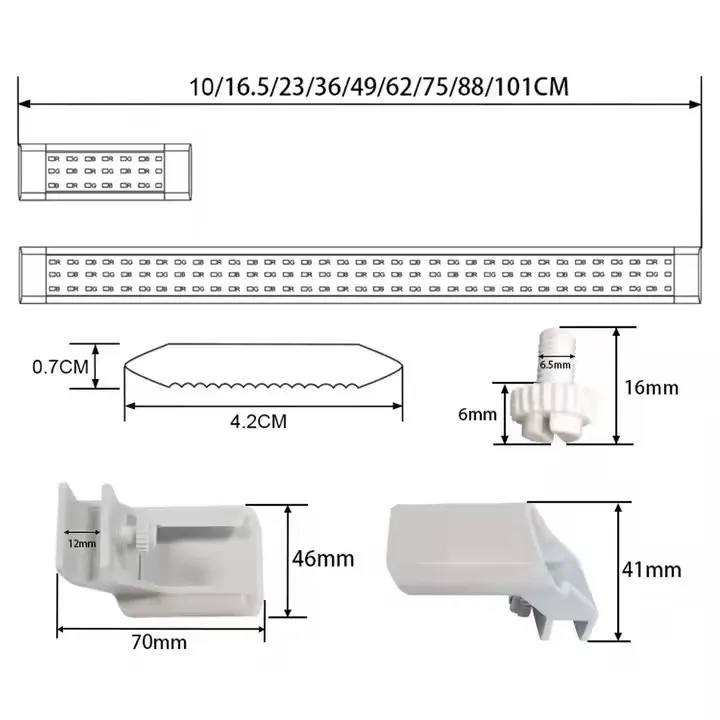
Finally, you need to consider the installation and maintenance of the light bulb. Some light bulbs are easy to install, while others might require a bit more technical know - how. You'll want to choose a light bulb that comes with clear installation instructions and is compatible with your corner fish tank.
Maintenance is also important. LED bulbs generally don't require much maintenance, but you still need to keep them clean. Dust and debris can accumulate on the bulb over time, reducing its light output. You should also check the bulb regularly for any signs of damage or malfunction.
So, there you have it, folks! These are the main lighting considerations for a corner fish tank light bulb. Choosing the right light bulb can make a huge difference in the health and appearance of your fish and plants. If you're interested in our Fish Tank Light Bulb products or have any questions about lighting for your corner fish tank, feel free to reach out. We're here to help you create the perfect underwater environment for your aquatic friends.

References
- "The Complete Guide to Aquarium Lighting" by John Doe
- "Fish and Plant Care in Aquariums" by Jane Smith
- Various online resources on aquarium lighting and fish tank maintenance.


