


When it comes to creating a thriving aquatic environment in your fish tank, the right lighting is crucial. As a trusted Fish Tank Grow Lights supplier, we understand the importance of proper light placement to ensure the health and vitality of your aquatic plants and fish. In this blog post, we'll explore the best placement for fish tank grow lights to maximize their effectiveness and create a stunning underwater display.
Understanding the Role of Fish Tank Grow Lights
Before delving into the ideal placement, it's essential to understand the role of fish tank grow lights. These lights are not just for aesthetic purposes; they play a vital role in the photosynthesis process of aquatic plants. Photosynthesis is the process by which plants convert light energy into chemical energy, which is essential for their growth and survival. In a fish tank, proper lighting helps plants produce oxygen, absorb carbon dioxide, and grow lush and healthy.
In addition to supporting plant growth, fish tank grow lights also enhance the colors and visibility of your fish. Different types of fish have different lighting preferences, and the right lighting can bring out their natural colors and patterns, making your aquarium more visually appealing.
Factors to Consider When Placing Fish Tank Grow Lights
Several factors need to be considered when determining the best placement for fish tank grow lights. These factors include the type of plants and fish in your tank, the size and shape of the tank, and the type of lighting you're using.
- Type of Plants and Fish: Different plants and fish have different lighting requirements. Some plants, such as low-light plants like Java ferns and Anubias, require less intense light, while high-light plants like stem plants and carpeting plants need more intense light. Similarly, some fish, such as nocturnal fish, prefer dimmer lighting, while others, such as tropical fish, thrive in brighter light. Consider the specific needs of your plants and fish when choosing the placement and intensity of your grow lights.
- Size and Shape of the Tank: The size and shape of your fish tank also play a role in determining the best placement for grow lights. In general, larger tanks may require multiple lights to ensure even coverage, while smaller tanks may only need one or two lights. The shape of the tank can also affect the distribution of light. For example, a tall, narrow tank may require lights to be placed higher up to ensure that light reaches the bottom of the tank, while a wide, shallow tank may benefit from lights placed closer to the surface.
- Type of Lighting: There are several types of fish tank grow lights available, including fluorescent lights, LED lights, and metal halide lights. Each type of lighting has its own advantages and disadvantages, and the placement of the lights may vary depending on the type you choose. LED lights are a popular choice for fish tanks because they are energy-efficient, long-lasting, and offer a wide range of color options. They can be placed directly above the tank or on the sides, depending on the specific needs of your plants and fish.
Best Placement Options for Fish Tank Grow Lights
Based on the factors mentioned above, here are some of the best placement options for fish tank grow lights:
- Above the Tank: Placing the grow lights directly above the tank is one of the most common and effective placement options. This allows the light to shine directly down on the plants, providing them with the maximum amount of light for photosynthesis. When placing the lights above the tank, make sure they are evenly spaced to ensure even coverage. You can use a light fixture or a suspended light to achieve this.
- On the Sides of the Tank: In some cases, placing the grow lights on the sides of the tank can be beneficial, especially for tanks with tall plants or for creating a more dramatic lighting effect. Side lighting can help to highlight the vertical structure of the plants and create a more three-dimensional look in the tank. However, it's important to note that side lighting may not provide as much light intensity as overhead lighting, so it may be necessary to supplement with additional overhead lights.
- Under the Hood or Canopy: If your fish tank has a hood or canopy, you can install the grow lights inside the hood or canopy. This option can help to hide the lights and create a more streamlined look in the tank. However, make sure that the hood or canopy is well-ventilated to prevent overheating of the lights.
- Adjustable Placement: Some fish tank grow lights, such as the Adjustable Fish Tank Light, offer the option of adjustable placement. This allows you to customize the position and angle of the lights to suit the specific needs of your plants and fish. Adjustable lights can be particularly useful for tanks with uneven lighting requirements or for creating a more dynamic lighting effect.
Tips for Optimal Light Placement
Here are some additional tips to help you achieve optimal light placement for your fish tank grow lights:
- Avoid Direct Light on Fish: While fish need light to thrive, direct light can be stressful for them. Make sure that the lights are not shining directly on the fish, especially if they are sensitive to light. You can use diffusers or reflective materials to soften the light and reduce its intensity.
- Provide a Day-Night Cycle: Just like in nature, fish and plants in your aquarium need a day-night cycle to maintain their natural rhythms. Set your grow lights to turn on and off at regular intervals to simulate a natural day-night cycle. Most aquariums benefit from 8-12 hours of light per day, but this may vary depending on the specific needs of your plants and fish.
- Monitor the Light Intensity: Over time, the intensity of the grow lights may decrease due to bulb degradation or other factors. It's important to monitor the light intensity regularly and replace the bulbs as needed to ensure that your plants and fish are getting the right amount of light. You can use a light meter to measure the light intensity in your tank.
- Consider the Color Temperature: The color temperature of the grow lights can also affect the growth and appearance of your plants and fish. Different plants have different preferences for color temperature, with some preferring warmer colors (around 2700K-3000K) and others preferring cooler colors (around 5000K-6500K). Experiment with different color temperatures to find the one that works best for your tank.
Conclusion
Proper placement of fish tank grow lights is essential for creating a healthy and vibrant aquatic environment. By considering the type of plants and fish in your tank, the size and shape of the tank, and the type of lighting you're using, you can determine the best placement options for your grow lights. Whether you choose to place the lights above the tank, on the sides, under the hood, or use adjustable lights, make sure to follow the tips mentioned above to ensure optimal light placement and a thriving aquarium.

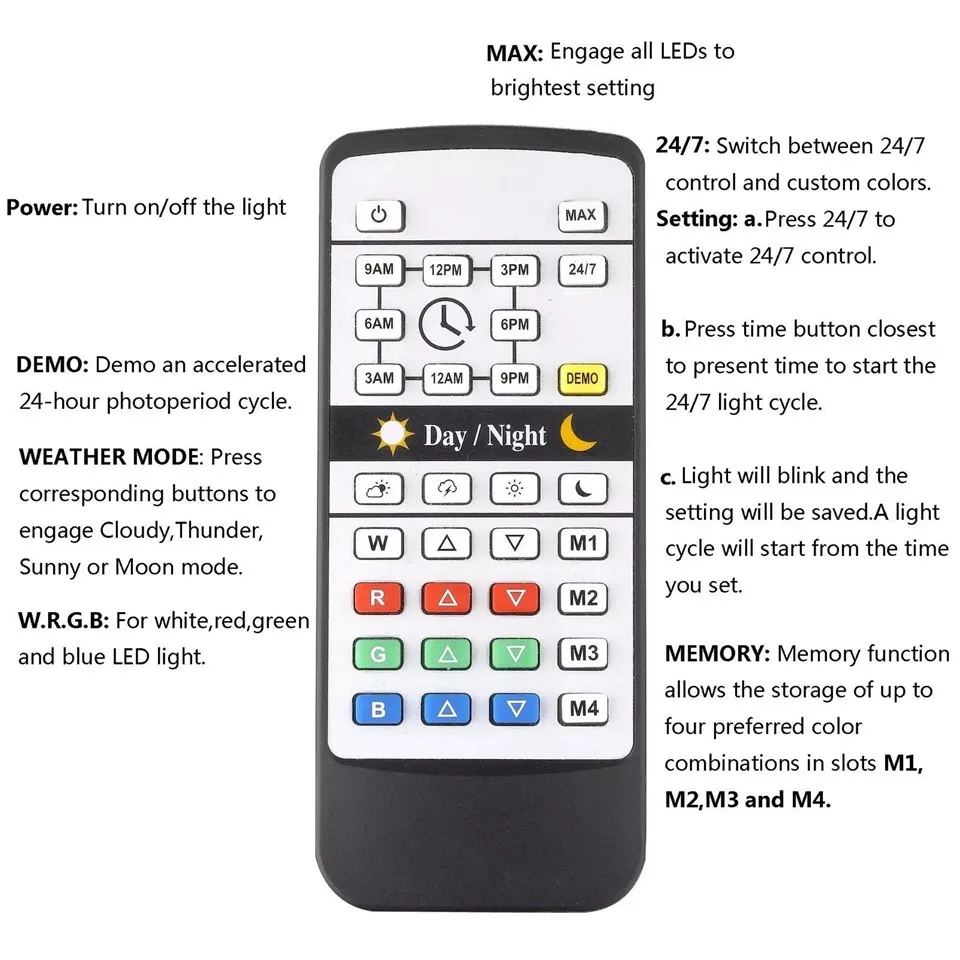
As a leading Fish Tank Grow Lights supplier, we offer a wide range of high-quality grow lights to meet the needs of every aquarium enthusiast. Our Full Spectrum Fish Tank Light provides a balanced spectrum of light that is ideal for promoting plant growth and enhancing the colors of your fish. If you have any questions or need assistance in choosing the right grow lights for your tank, please don't hesitate to contact us. We're here to help you create the perfect aquatic environment for your plants and fish.
References
- "Aquarium Lighting: A Comprehensive Guide" by Aquarium Co-Op
- "The Science of Aquarium Lighting" by The Spruce Pets
- "How to Choose the Right Aquarium Lighting" by Fishkeeping World


