


In the realm of indoor plant cultivation, the choice of a grow light bar can significantly impact the growth and development of plants. As a seasoned supplier of plant grow light bars, I've witnessed firsthand the evolving needs of growers and the advancements in lighting technology. One of the most prominent distinctions in the market today is between smart and non - smart plant grow light bars. This blog post aims to explore the differences between these two types of light bars, helping you make an informed decision for your indoor gardening setup.
1. Basic Functionality
Non - Smart Plant Grow Light Bars
Non - smart grow light bars offer straightforward functionality. They typically emit a fixed spectrum of light, which is designed to support general plant growth. For instance, many non - smart bars are configured to provide a combination of blue and red light, as these wavelengths are known to be crucial for photosynthesis. Blue light promotes vegetative growth, such as leaf and stem development, while red light is essential for flowering and fruiting.
These light bars are relatively simple to operate. You simply plug them in and turn them on, and they will provide a consistent level of light output. They are often more affordable than their smart counterparts, making them a popular choice for novice growers or those on a budget. However, their lack of adjustability means that they may not be suitable for all types of plants or growth stages.
Smart Plant Grow Light Bars
Smart grow light bars, on the other hand, offer a high degree of customization. They can be controlled remotely via a smartphone app or a dedicated controller. This allows growers to adjust various parameters such as light intensity, spectrum, and photoperiod. For example, during the vegetative stage, you can increase the proportion of blue light to encourage strong, healthy foliage growth. As the plants enter the flowering stage, you can then shift the spectrum to include more red light to promote blooming.
The ability to program the light bar also means that you can simulate natural sunlight patterns. You can set the light to gradually increase in intensity in the morning, peak at mid - day, and then gradually decrease in the evening, mimicking the way sunlight behaves outdoors. This can have a positive impact on the overall health and productivity of your plants.
2. Energy Efficiency
Non - Smart Plant Grow Light Bars
Non - smart light bars usually operate at a constant power level. While they are designed to be energy - efficient, they may not adapt to the changing needs of your plants. For example, if your plants require less light during certain growth stages, a non - smart light bar will continue to consume the same amount of energy as it does when the plants need maximum light. This can lead to unnecessary energy consumption and higher electricity bills over time.
Smart Plant Grow Light Bars
Smart light bars are more energy - efficient because they can adjust their power consumption based on the specific requirements of your plants. You can program the light bar to reduce its intensity during periods when the plants need less light, such as at night or during the early stages of growth. This not only saves energy but also extends the lifespan of the light bar. Additionally, many smart light bars are equipped with advanced LED technology that converts a higher percentage of electrical energy into light energy, further improving their energy efficiency.
3. Monitoring and Data Collection
Non - Smart Plant Grow Light Bars
Non - smart light bars do not have the capability to monitor or collect data. They simply provide light, and it's up to the grower to manually observe the plants and make adjustments as needed. This can be time - consuming and may not always result in the optimal growing conditions.
Smart Plant Grow Light Bars
Smart light bars often come with built - in sensors that can monitor various environmental factors such as temperature, humidity, and light intensity. The data collected by these sensors can be transmitted to your smartphone or computer, allowing you to keep track of the growing conditions in real - time. This data can be invaluable for diagnosing problems, optimizing the growth environment, and making informed decisions about your plants' care.
4. Compatibility with Other Systems
Non - Smart Plant Grow Light Bars
Non - smart light bars are standalone devices that do not interact with other systems. They operate independently and do not offer any integration options. This means that if you want to incorporate additional features such as automated watering or climate control, you will need to set up separate systems that do not communicate with the light bar.

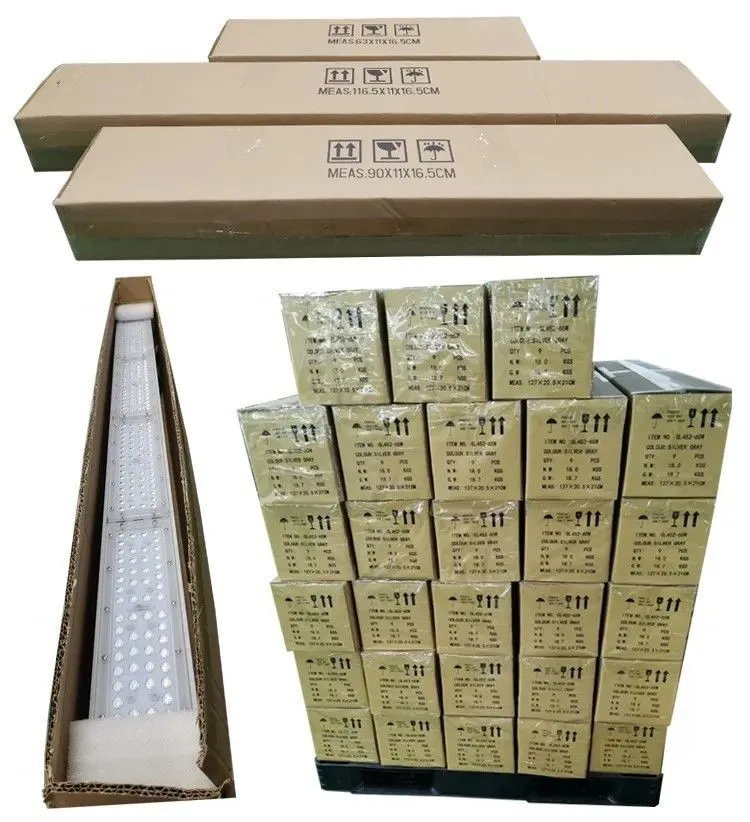
Smart Plant Grow Light Bars
Smart light bars can be integrated with other smart gardening systems. For example, they can be connected to a smart irrigation system, so that the watering schedule can be adjusted based on the light intensity and the needs of the plants. They can also be integrated with a climate control system to ensure that the temperature and humidity levels are optimal for plant growth. This seamless integration creates a more efficient and effective indoor growing environment.
5. Durability and Reliability
Non - Smart Plant Grow Light Bars
Non - smart light bars are generally less complex in terms of their design and technology. This simplicity can make them more reliable in some cases, as there are fewer components that can fail. However, they may not be as well - protected against environmental factors such as moisture or dust.
Smart Plant Grow Light Bars
Smart light bars are often built with more advanced technology and may have more components, which can potentially increase the risk of failure. However, many smart light bars are designed with robust enclosures and advanced cooling systems to protect them from environmental damage. For example, our Waterproof LED Grow Light Bar is specifically designed to withstand wet conditions, making it suitable for use in hydroponic or high - humidity environments.
6. Application Scenarios
Non - Smart Plant Grow Light Bars
Non - smart light bars are well - suited for small - scale indoor gardening, such as growing herbs on a windowsill or a few potted plants in a spare room. They are also a good choice for growers who have a limited budget or who do not require a high degree of customization. For example, if you are growing a single type of plant that has relatively consistent light requirements throughout its growth cycle, a non - smart light bar may be sufficient.
Smart Plant Grow Light Bars
Smart light bars are ideal for large - scale commercial growers or serious hobbyists who want to optimize their plant growth. They are suitable for growing a wide variety of plants, including those with specific light requirements such as orchids or cannabis. Our Single Bar LED Grow Light Bar can be used in combination with other smart light bars to create a customized lighting solution for your indoor grow room.
7. UV Light and Special Features
Non - Smart Plant Grow Light Bars
Most non - smart light bars do not include UV light in their spectrum. UV light has been shown to have several benefits for plants, such as enhancing the production of certain secondary metabolites that can improve the plant's resistance to pests and diseases. However, adding UV light to a non - smart light bar would increase its complexity and cost.
Smart Plant Grow Light Bars
Smart light bars often offer the option to include UV light in the spectrum. Our UV LED Grow Light Bar allows you to control the intensity and duration of UV light exposure, which can be adjusted according to the specific needs of your plants. This feature can give your plants an extra boost and help them produce higher - quality yields.
Conclusion
In conclusion, the choice between a smart and a non - smart plant grow light bar depends on your specific needs, budget, and level of experience as a grower. Non - smart light bars are simple, affordable, and suitable for basic indoor gardening. Smart light bars, on the other hand, offer a high degree of customization, energy efficiency, and advanced features that can significantly improve the growth and productivity of your plants.
If you are interested in learning more about our range of plant grow light bars or would like to discuss your specific requirements, please feel free to contact us. We are committed to providing high - quality products and excellent customer service to help you achieve the best results in your indoor gardening endeavors.
References
- Smith, J. (2020). The Science of Indoor Plant Lighting. Journal of Horticultural Science.
- Johnson, A. (2021). Advances in LED Grow Light Technology. Agricultural Lighting Review.
- Brown, C. (2022). Optimizing Plant Growth with Smart Lighting Systems. Indoor Gardening Magazine.


