


As a supplier of LED grow lights, I've witnessed firsthand the transformative impact these lights have on modern horticulture. In this blog, I'll delve into the efficiency of LED grow lights, exploring the science behind them, their benefits, and how they stack up against traditional lighting options.
Understanding the Basics of LED Grow Lights
LED, or Light - Emitting Diode, grow lights are specifically designed to provide the right spectrum of light for plant growth. Unlike traditional lighting sources such as incandescent, fluorescent, or high - pressure sodium (HPS) lights, LEDs can be engineered to emit light at specific wavelengths. Plants primarily use light in the blue (400 - 500 nm) and red (600 - 700 nm) spectra for photosynthesis. Blue light is crucial for vegetative growth, promoting strong stems and leaves, while red light is essential for flowering and fruiting.
LED grow lights can be precisely tuned to deliver the optimal combination of these wavelengths, ensuring that plants receive the light they need at each stage of their growth cycle. This targeted approach to lighting is one of the key factors contributing to their high efficiency.
Energy Efficiency
One of the most significant advantages of LED grow lights is their energy efficiency. Traditional lighting sources waste a large amount of energy in the form of heat. For example, incandescent bulbs convert only about 10% of the electrical energy they consume into light, with the remaining 90% being dissipated as heat. HPS lights, while more efficient than incandescent bulbs, still generate a substantial amount of heat and are less energy - efficient compared to LEDs.

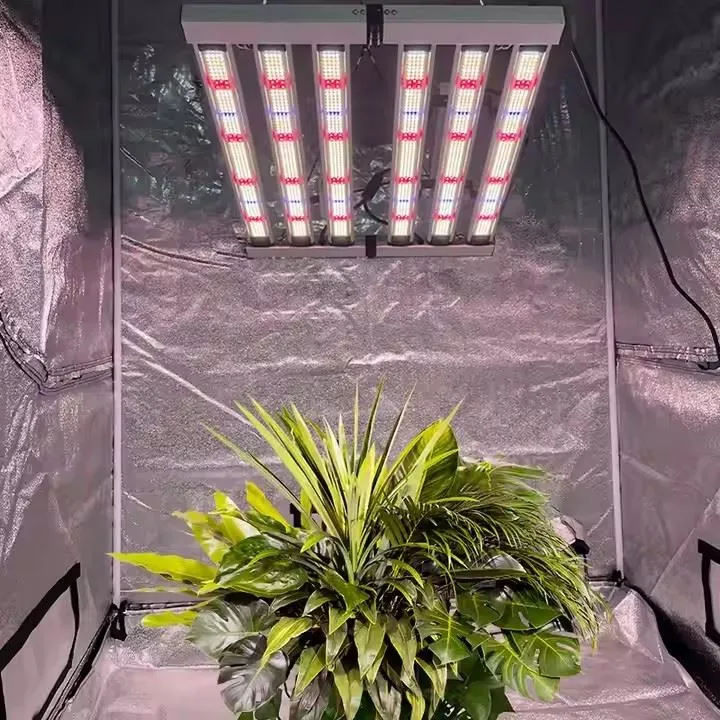
LED grow lights, on the other hand, are highly energy - efficient. They can convert up to 80 - 90% of the electrical energy they consume into light. This means that less energy is wasted as heat, resulting in lower electricity bills for growers. In addition, the reduced heat output of LEDs also means that less energy is required for cooling the growing environment, further contributing to overall energy savings.
Long Lifespan
LED grow lights have a much longer lifespan compared to traditional lighting sources. Incandescent bulbs typically last for about 1,000 hours, while fluorescent bulbs last for around 10,000 hours. HPS lights have a lifespan of approximately 20,000 hours. In contrast, LED grow lights can last for 50,000 hours or more.
This long lifespan reduces the frequency of bulb replacements, saving growers both time and money. It also means less waste, as fewer bulbs need to be disposed of over time. With a longer - lasting light source, growers can focus on their plants without having to worry about constantly changing bulbs.
Light Intensity and Uniformity
LED grow lights can provide high - intensity light while maintaining excellent uniformity across the growing area. This is crucial for ensuring that all plants receive an equal amount of light, which leads to more consistent growth. Traditional lighting sources often have uneven light distribution, resulting in some plants receiving more light than others. This can lead to uneven growth, with some plants becoming taller and lankier while others remain stunted.
Our Dimmable Plant Grow Light offers the flexibility to adjust the light intensity according to the specific needs of the plants at different growth stages. This feature allows growers to optimize the light environment for maximum growth and productivity.
Heat Management
As mentioned earlier, LED grow lights produce less heat compared to traditional lighting sources. This is a significant advantage, especially in indoor growing environments where temperature control is crucial. Excessive heat can stress plants, reduce their growth rate, and even cause damage.
The low - heat output of LED grow lights means that growers can place the lights closer to the plants without the risk of burning them. This allows for more efficient use of vertical space in the growing area, enabling growers to maximize their yield per square foot. Our Under Canopy LED Grow Light is designed to be installed close to the plants, providing targeted light to the lower parts of the canopy and ensuring uniform growth throughout the plant.
Comparison with Traditional Lighting
When comparing LED grow lights with traditional lighting options, it's clear that LEDs offer several superior features. In terms of energy consumption, LEDs are far more efficient, which translates into significant cost savings over time. Their long lifespan also reduces maintenance costs and waste.
In terms of light quality, LEDs can be customized to provide the exact spectrum of light that plants need, while traditional lighting sources often emit a broader spectrum of light, much of which is not useful for plant growth. This targeted approach to lighting can lead to better plant growth, higher yields, and improved quality of the harvested produce.
The Impact on Plant Growth
The efficiency of LED grow lights has a direct impact on plant growth. The ability to provide the right spectrum of light at the right intensity and uniformity promotes healthy vegetative growth, robust flowering, and high - quality fruit production.
Plants grown under LED grow lights often exhibit faster growth rates, stronger stems, and more abundant foliage compared to those grown under traditional lighting. The targeted light spectrum also enhances the production of secondary metabolites in plants, such as antioxidants and essential oils, which can improve the nutritional value and flavor of the produce.
Our Product Range
We offer a wide range of LED grow lights to meet the diverse needs of growers. In addition to the Dimmable Plant Grow Light and Under Canopy LED Grow Light, our Foldable LED Grow Light is a great option for greenhouse growers. It is easy to install and can be adjusted to fit different growing spaces.
Conclusion
In conclusion, the efficiency of LED grow lights is unparalleled in the world of horticulture. Their energy efficiency, long lifespan, precise light spectrum, and excellent heat management make them the ideal choice for modern growers. Whether you're a small - scale home grower or a large - scale commercial operation, LED grow lights can help you achieve higher yields, better - quality produce, and significant cost savings.
If you're interested in learning more about our LED grow lights or are looking to start a procurement discussion, we'd love to hear from you. Our team of experts is ready to assist you in finding the perfect lighting solution for your specific needs.
References
- Hopkins, W. G., & Hüner, N. P. A. (2008). Introduction to Plant Physiology. John Wiley & Sons.
- Taiz, L., & Zeiger, E. (2010). Plant Physiology. Sinauer Associates.
- Trouwborst, G., Maljaars, H., & Harbinson, J. (2016). LED lighting in horticulture. Scientia Horticulturae, 200, 19 - 28.


