


The installation height of an IP66 LED flood light plays a crucial role in achieving optimal lighting for various applications. As a supplier of high - quality Ip66 LED Flood Lights, I've witnessed firsthand how the right installation height can transform a space, whether it's an industrial yard or a commercial building facade. In this blog, we'll explore the factors that influence the ideal installation height and how to calculate it for different scenarios.
Understanding IP66 LED Flood Lights
Before delving into the installation height, it's essential to understand what makes IP66 LED flood lights special. The IP66 rating indicates that these lights are highly protected against dust ingress (the "6" for dust) and powerful water jets (the second "6" for water). This makes them suitable for outdoor and harsh - environment applications, where they can withstand extreme weather conditions, including heavy rain, strong winds, and dusty atmospheres.
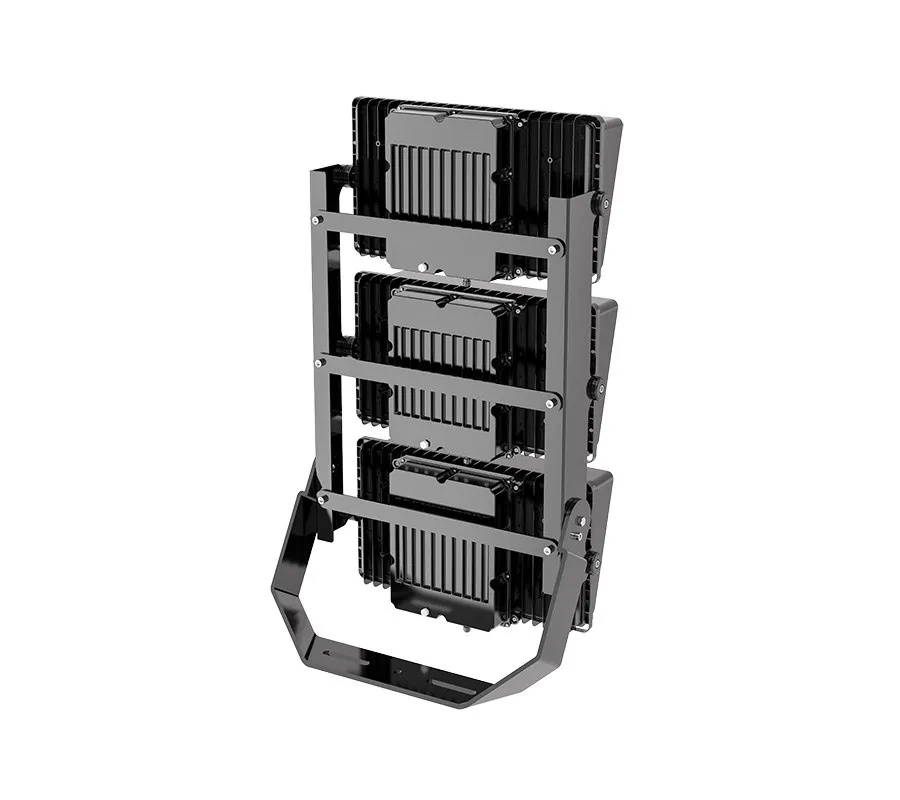
Our Ip66 LED Flood Light product line offers high energy efficiency, long lifespan, and superior brightness. With advanced LED technology, these flood lights can provide uniform and intense illumination, making them ideal for a wide range of uses, from illuminating large industrial areas to enhancing the aesthetics of commercial buildings at night.
Factors Affecting the Installation Height
Several factors need to be considered when determining the optimal installation height of an IP66 LED flood light.
Lighting Coverage Area
The size of the area you want to illuminate is a primary factor. For larger areas, the flood light may need to be installed at a greater height to cover a wider radius. For example, in an industrial warehouse with a large floor area, a higher installation height can ensure that the light spreads evenly across the entire space. On the other hand, if you're lighting a small garden or a narrow alleyway, a lower installation height may be sufficient to provide adequate illumination.
Beam Angle
The beam angle of the flood light also impacts the installation height. A flood light with a wide beam angle can cover a larger area at a lower height compared to one with a narrow beam angle. Our Industrial L LED Flood Lights come with different beam angle options, allowing you to choose the one that best suits your lighting needs. For instance, a 120 - degree beam angle flood light can spread light over a broader area, so it may be installed at a relatively lower height to achieve the desired coverage.
Light Intensity Requirements
The required light intensity for the area is another critical factor. Different applications have different lighting intensity needs. For example, a sports field requires a high - intensity light to ensure clear visibility for players and spectators. In such cases, the flood lights may need to be installed at a higher height to maintain the necessary light levels across the field. In contrast, a parking lot may have lower light intensity requirements, allowing for a lower installation height.
Calculating the Optimal Installation Height
To calculate the optimal installation height, you can use some basic geometric principles and lighting design formulas.
Using the Lighting Design Software
There are many lighting design software tools available that can help you determine the installation height based on the area size, beam angle, and light intensity requirements. These software programs take into account various factors and can generate detailed lighting plans, including the recommended installation height for each flood light.
Manual Calculation
If you prefer a more hands - on approach, you can use a simple formula based on the beam angle and the desired coverage area. The general formula for calculating the installation height (H) based on the beam angle (θ) and the radius of the coverage area (R) is:
[H = \frac{R}{\tan(\frac{\theta}{2})}]
For example, if you have a flood light with a beam angle of 60 degrees and you want to cover a circular area with a radius of 10 meters, the installation height can be calculated as follows:
First, (\frac{\theta}{2}=\frac{60}{2}=30) degrees. The tangent of 30 degrees ((\tan(30))) is approximately 0.577.
[H=\frac{10}{0.577}\approx17.3] meters

Installation Height for Different Applications
Industrial Applications
In industrial settings such as factories, warehouses, and construction sites, IP66 LED flood lights are often used to provide high - intensity lighting for safety and productivity. For large industrial yards, the flood lights are typically installed at heights ranging from 8 to 15 meters. This height allows for wide - area coverage and ensures that the light can reach all corners of the yard. Our Industrial L LED Flood Lights are designed to meet the demanding lighting requirements of these industrial applications, with high - power output and durable construction.
Commercial Applications
Commercial buildings, such as shopping malls, hotels, and office complexes, often use IP66 LED flood lights for architectural lighting and security purposes. For illuminating building facades, the installation height can vary depending on the height and design of the building. In general, flood lights are installed at heights of 3 to 8 meters to highlight the architectural features and create an attractive visual effect. Our Commercial LED Flood Lights offer a range of color temperatures and beam angles, allowing for customized lighting solutions for different commercial applications.
Outdoor Recreational Areas
Outdoor recreational areas, such as parks, playgrounds, and sports fields, also require proper lighting. For sports fields, flood lights are usually installed at heights of 15 to 30 meters to ensure uniform illumination across the playing area. In parks and playgrounds, the installation height may be lower, typically between 2 to 5 meters, to provide a more inviting and safe environment.
Importance of Correct Installation Height
Installing IP66 LED flood lights at the optimal height is crucial for several reasons.
Energy Efficiency
When flood lights are installed at the correct height, they can provide the required light intensity with less energy consumption. If the installation height is too low, the light may be concentrated in a small area, resulting in over - illumination and wasted energy. Conversely, if the height is too high, the light may be spread too thinly, requiring more flood lights to achieve the desired light levels, which also increases energy consumption.
Safety
Proper installation height ensures safety in the illuminated area. For example, in a parking lot, correctly installed flood lights can provide sufficient visibility for drivers and pedestrians, reducing the risk of accidents. In industrial settings, adequate lighting at the right height can prevent workplace accidents by ensuring clear visibility of machinery and work areas.
Aesthetic Appeal
The right installation height can enhance the aesthetic appeal of the illuminated space. In commercial and architectural lighting, well - placed flood lights can highlight the unique features of a building, creating a visually stunning effect at night.
Conclusion
Determining the optimal installation height of an IP66 LED flood light is a complex process that requires careful consideration of various factors, including the lighting coverage area, beam angle, and light intensity requirements. As a supplier of Ip66 LED Flood Light, we understand the importance of providing high - quality products and professional advice to our customers.
Whether you're planning an industrial lighting project, a commercial building illumination, or an outdoor recreational area lighting, our team of experts can help you choose the right flood lights and determine the optimal installation height. If you have any questions or need assistance with your lighting project, please don't hesitate to contact us. We're here to help you achieve the best lighting results for your specific needs.
References
- Lighting Handbook: Reference and Application, 10th Edition, Illuminating Engineering Society of North America
- LED Lighting Technology: Principles and Applications, Second Edition, John Wiley & Sons


