


When it comes to cultivating plants, the right lighting is crucial, especially in environments where natural sunlight is limited. As a supplier of LED Plant Light Bulbs, I understand the importance of matching the appropriate plants with the right LED plant light bulbs. In this blog, we'll explore different types of plants that are well - suited for LED plant light bulbs and how these bulbs can enhance their growth.
Leafy Greens
Leafy greens are among the easiest plants to grow under LED plant light bulbs. Lettuce, spinach, kale, and Swiss chard are popular choices. These plants require a relatively low amount of light intensity compared to some other crops. LED plant light bulbs can provide the right spectrum of light, including blue and red wavelengths, which are essential for photosynthesis.
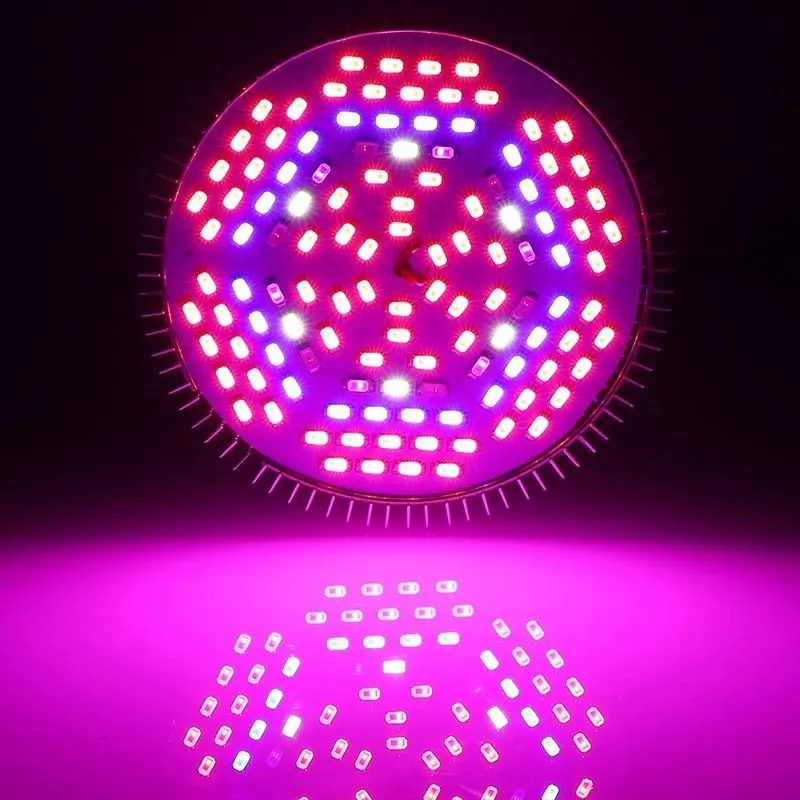
Blue light is important for vegetative growth, promoting strong, healthy leaves. Red light, on the other hand, is involved in flowering and fruiting, but for leafy greens, it also helps in overall plant development. Our Indoor Grow Light Bulb is an excellent option for growing leafy greens indoors. It emits a balanced spectrum that closely mimics natural sunlight, ensuring that your leafy greens grow lush and vibrant.
Leafy greens typically need about 12 - 16 hours of light per day. With LED plant light bulbs, you can easily control the light duration, creating an optimal environment for growth. The energy - efficient nature of LED bulbs also means that you can keep them on for extended periods without incurring high electricity costs.
Herbs
Herbs are another group of plants that thrive under LED plant light bulbs. Basil, parsley, cilantro, and mint are just a few examples. These plants not only add flavor to your meals but also have various health benefits.
Herbs generally prefer a slightly higher light intensity than leafy greens. The blue and red light spectrum provided by LED plant light bulbs is ideal for herb growth. Blue light helps in the development of strong stems and leaves, while red light can enhance the production of essential oils, which give herbs their distinct flavors and aromas.
For indoor herb gardens, our Indoor Grow Light Bulb can be set up at an appropriate distance from the plants to ensure they receive enough light. You can place the bulbs about 6 - 12 inches above the herbs, depending on the light intensity of the bulbs. Herbs usually need 14 - 16 hours of light per day, and LED bulbs make it easy to maintain this schedule.
Succulents and Cacti
Succulents and cacti are known for their ability to store water and survive in arid conditions. However, they still need adequate light for healthy growth. LED plant light bulbs can be a great solution, especially for those who live in areas with limited sunlight or want to grow these plants indoors.
These plants require a high - intensity light source, similar to the bright sunlight they would receive in their natural habitats. Our Outdoor Grow Light Bulbs can also be used indoors to provide the necessary light intensity for succulents and cacti. The light spectrum should include a good amount of blue light to promote compact growth and prevent the plants from becoming leggy.
Succulents and cacti need about 10 - 12 hours of light per day. LED plant light bulbs can be adjusted to provide the right amount of light, and they also generate less heat compared to traditional lighting sources, which is beneficial for these heat - sensitive plants.
Flowering Plants
Flowering plants, such as roses, orchids, and petunias, require a specific light spectrum to bloom successfully. LED plant light bulbs can be customized to provide the right combination of blue and red light for different stages of growth.
During the vegetative stage, blue light is crucial for promoting strong foliage growth. As the plant enters the flowering stage, red light becomes more important for flower bud formation and blooming. Our LED plant light bulbs can be adjusted to change the light spectrum according to the plant's growth stage.
For indoor flowering plants, our Indoor Grow Light Bulb can be used to create an artificial environment that mimics the natural sunlight conditions required for blooming. Flowering plants usually need 12 - 16 hours of light per day, and LED bulbs can provide consistent and high - quality light.

Microgreens
Microgreens are young vegetable greens that are harvested just a few weeks after germination. They are rich in nutrients and have a high demand in the culinary industry. LED plant light bulbs are an ideal choice for growing microgreens due to their energy efficiency and ability to provide the right light spectrum.
Microgreens need a relatively high light intensity to grow quickly and develop their full flavor and nutritional value. Blue and red light are essential for their growth, and LED plant light bulbs can deliver these wavelengths in the right proportions. Our Indoor Grow Light Bulb can be placed close to the microgreen trays to ensure they receive enough light.
Microgreens typically need 14 - 18 hours of light per day. The adjustable light duration of LED bulbs allows you to optimize the growth of microgreens, resulting in a faster harvest and higher yields.
Factors to Consider When Choosing LED Plant Light Bulbs
When selecting LED plant light bulbs for different types of plants, several factors need to be considered:
- Light Spectrum: Different plants have different light requirements. Make sure the LED bulbs provide the appropriate spectrum of blue and red light for the specific plant you are growing.
- Light Intensity: Some plants, like succulents and cacti, require high - intensity light, while others, like leafy greens, need lower intensities. Choose bulbs with the right light output for your plants.
- Energy Efficiency: LED bulbs are known for their energy efficiency, which can save you money in the long run. Look for bulbs with a high energy - efficiency rating.
- Adjustability: Some LED plant light bulbs can be adjusted to change the light spectrum and intensity. This is useful for plants that have different light requirements at different growth stages.
Conclusion
In conclusion, LED plant light bulbs offer a versatile and efficient solution for growing a wide variety of plants. Whether you are growing leafy greens, herbs, succulents, flowering plants, or microgreens, there is an LED plant light bulb that can meet your needs. Our LED Plant Light Bulbs are designed to provide the optimal light spectrum and intensity for different types of plants, ensuring healthy growth and high yields.
If you are interested in purchasing LED plant light bulbs for your gardening needs, we invite you to contact us for a detailed discussion. We can help you choose the right bulbs for your specific plants and provide you with all the information you need to start a successful indoor or outdoor garden.
References
- Smith, J. (2020). The Science of Plant Lighting. Gardening Journal, 15(2), 45 - 52.
- Johnson, A. (2019). LED Lighting for Indoor Plant Growth. Horticulture Review, 22(3), 78 - 85.
- Brown, C. (2021). Optimizing Plant Growth with LED Lights. Agricultural Science Magazine, 30(1), 23 - 31.


