1. Agricultural Cultivation
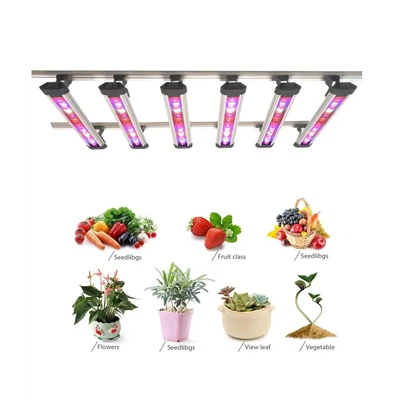
Urban Agriculture & Smart Farming:With the advancement of agricultural technology, an increasing number of farmers are adopting greenhouse cultivation. They utilize plant growth lights to provide supplemental lighting and pest control tailored to different growth stages of crops, ensuring healthier growth and higher yields while reducing costs.
2. Multi-Layer Planting Systems
Vertical Multi-Tier Cultivation:Primarily suitable for small plants such as leafy greens (lettuce, spinach), herbs (basil, mint), and microgreens (pea shoots, arugula).
3. Plant Factories
The application of high-efficiency LED light sources is critical for addressing energy consumption challenges in plant factories. Traditional artificial lighting sources like high-pressure sodium lamps and fluorescent lights suffer from high energy use, excessive heat emission, and elevated air-conditioning costs.LEDs have proven successful in plant factories, with combinations of 660nm red light and optimized blue light ratios enabling the cultivation of crops like lettuce and rice under fully controlled environments.
4. Indoor Lightless Cultivation & Home Gardening
Basements, Warehouses, and Other Light-Deficient Environments:Plant growth lights replace sunlight by providing photosynthesis-optimized spectra (e.g., blue, red, ultraviolet (UV), and infrared (IR)), ensuring normal plant growth.
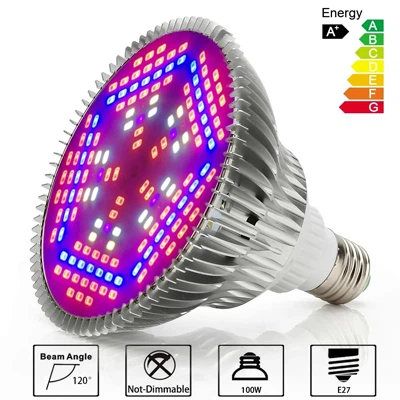
Home Indoor Spaces, Urban Rooftop Gardens, and Balcony Cultivation: full spectrum LED plant lights are used to support the growth, flowering, and fruiting of household plants, succulents, or small vegetables.
5. Greenhouse Supplemental Lighting
In regions with rainy weather or short winter daylight, plant growth lights extend lighting duration or enhance light intensity, accelerating crop maturation ( tomatoes, strawberries e.g.,) and compensating for yield losses due to insufficient natural light.
6. Plant Tissue Culture and Seedling Propagation
Plant tissue culture is a rapid propagation technology that enables large-scale production of genetically identical seedlings in a short time. This technology relies on specialized tissue culture lighting. Due to the fast propagation rate, adopting energy-efficient, high-performance light sources like LED plant lights has become a key advantage in reducing energy consumption, a trend now embraced globally.
7. Flowering Control and Ornamental Plants
Commercial Horticulture:Red light is used to regulate flowering times of chrysanthemums and lilies for off-season market supply.
Home Applications:Orchid enthusiasts use LEDs to extend blooming periods, while succulent growers prevent etiolation (abnormal stem elongation).
8. Seedling Cultivation and Rooting
Full-spectrum LED plant growth lights** leverage blue light to strengthen stems and leaves, while far-red light regulates plant height. This technology shortens cycles, enhances seedling resilience, and is widely applied in large-scale seedling production (rice seedlings, flower tissue culture e.g.,).