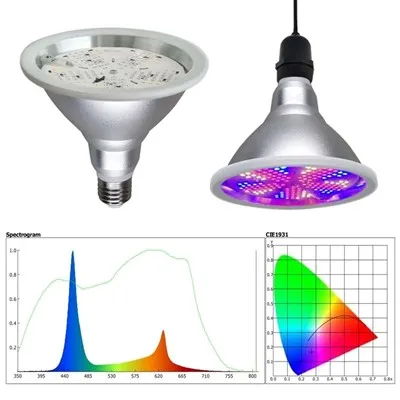

In the world of indoor gardening and plant cultivation, the choice of lighting is a crucial factor that can significantly impact the growth and health of plants. Among the various lighting options available, grow light tube bulbs and incandescent lights are two commonly considered choices. As a supplier of Grow Light Tube Bulbs, I am here to explore and compare these two types of lighting to help you make an informed decision for your plant-growing needs.
1. The Basics of Plant Lighting Requirements
Plants require light for photosynthesis, a process through which they convert light energy into chemical energy to fuel their growth. Different stages of plant growth, such as germination, vegetative growth, and flowering, have varying light intensity, duration, and spectral requirements.
The light spectrum is divided into different wavelengths, each playing a unique role in plant development. For instance, blue light (400 - 500 nm) is essential for vegetative growth, promoting strong stems and healthy leaves. Red light (600 - 700 nm) is crucial for flowering and fruiting. Additionally, other wavelengths in the spectrum, such as green and far - red light, also have minor but significant effects on plant physiology.


2. Incandescent Lights: A Traditional Option
Incandescent lights have been around for a long time and are a familiar lighting source in many households. They work by passing an electric current through a filament, which heats up and emits light.
Advantages of Incandescent Lights
- Familiar and Inexpensive: Incandescent bulbs are widely available and relatively inexpensive to purchase. They can be easily found in local hardware stores, making them a convenient option for small - scale plant growers on a budget.
- Warm Light: They emit a warm, yellow - orange light that can create a cozy and inviting atmosphere. This type of light can be aesthetically pleasing in a home setting where plants are also being grown.
Disadvantages of Incandescent Lights
- Inefficient Light Spectrum: Incandescent lights produce a large amount of infrared radiation (heat) and a relatively small amount of visible light in the wavelengths that are most beneficial for plants. The light spectrum of incandescent bulbs is skewed towards the red and far - red end, lacking sufficient blue light for proper vegetative growth. This can lead to leggy, weak plants with poor leaf development.
- High Energy Consumption: Incandescent bulbs are extremely energy - inefficient. A large portion of the electrical energy they consume is converted into heat rather than light. This not only increases electricity bills but also poses a risk of overheating plants, especially in enclosed growing spaces.
- Short Lifespan: Incandescent bulbs have a relatively short lifespan compared to other lighting options. They typically need to be replaced every few months, which can be inconvenient and costly in the long run.
3. Grow Light Tube Bulbs: A Modern Solution
Grow light tube bulbs, especially those based on LED technology, have emerged as a popular choice for indoor plant growers in recent years.
Advantages of Grow Light Tube Bulbs
- Customizable Light Spectrum: Full Spectrum LED Tubes are designed to provide a balanced spectrum of light that closely mimics natural sunlight. They can be tailored to meet the specific needs of different plant species and growth stages. For example, during the vegetative stage, the bulbs can emit more blue light, and during the flowering stage, they can increase the output of red light.
- Energy Efficiency: LED grow light tube bulbs are highly energy - efficient. They convert a much higher percentage of electrical energy into light compared to incandescent bulbs. This means lower electricity consumption and cost savings over time. Additionally, they produce very little heat, reducing the risk of overheating plants and allowing for closer placement to the foliage.
- Long Lifespan: LED grow light tube bulbs have a significantly longer lifespan than incandescent bulbs. They can last for tens of thousands of hours, which means less frequent replacement and lower maintenance costs.
- Low Heat Emission: As mentioned earlier, LED grow light tube bulbs produce very little heat. This is beneficial for plants as it allows for more precise control of the growing environment. It also reduces the need for additional cooling systems, which can further save energy and money.
Disadvantages of Grow Light Tube Bulbs
- Higher Initial Cost: The upfront cost of purchasing grow light tube bulbs, especially high - quality LED models, is generally higher than that of incandescent bulbs. However, considering their long lifespan and energy - saving benefits, the overall cost of ownership is often lower in the long term.
- Technical Knowledge Required: Selecting the right grow light tube bulbs can be a bit more complicated than choosing incandescent bulbs. Growers need to understand the light requirements of their plants and the specifications of the bulbs, such as light intensity, spectrum, and coverage area.
4. Real - World Performance Comparison
To better understand the difference between grow light tube bulbs and incandescent lights, let's look at some real - world scenarios.
Growth Rate and Quality
In a side - by - side comparison, plants grown under grow light tube bulbs typically show faster growth rates and better overall quality. For example, lettuce seedlings grown under a full - spectrum LED grow light tube may develop more leaves and have a more compact, healthy appearance compared to those grown under incandescent lights. The plants under the LED lights are likely to have stronger stems and a more vibrant green color, indicating better photosynthetic activity.
Flowering and Fruiting
When it comes to flowering and fruiting plants, the difference is even more pronounced. Plants such as tomatoes or peppers grown under grow light tube bulbs that can provide the appropriate red light spectrum are more likely to produce more flowers and fruits. In contrast, plants under incandescent lights may have fewer flowers and a lower yield due to the lack of proper light wavelengths.
5. Conclusion
In conclusion, grow light tube bulbs are generally a better choice than incandescent lights for plant growth. While incandescent lights may have some advantages in terms of cost and familiarity, their limitations in terms of light spectrum, energy efficiency, and lifespan make them less suitable for serious indoor plant cultivation.
Grow light tube bulbs, especially Full Spectrum LED Tubes and Multi Colour Tube Light, offer a more customized, energy - efficient, and long - lasting solution for meeting the lighting needs of plants. They can help growers achieve better growth, higher yields, and healthier plants.
If you are interested in enhancing your indoor plant growth with high - quality grow light tube bulbs, we invite you to contact us for more information and to discuss your specific requirements. We are committed to providing the best lighting solutions for your plants and look forward to partnering with you in your indoor gardening journey.
References
- Taiz, L., & Zeiger, E. (2010). Plant Physiology. Sinauer Associates.
- Salisbury, F. B., & Ross, C. W. (1992). Plant Physiology. Wadsworth Publishing.