


Are UFO Plant Lights suitable for aquaponic systems?
Aquaponic systems represent an innovative and sustainable approach to agriculture, combining aquaculture (raising fish) and hydroponics (growing plants in water). In such systems, the choice of lighting is crucial for the health and growth of plants. As a supplier of UFO Plant Light, I am often asked whether our UFO Plant Lights are suitable for aquaponic setups. In this blog, we will explore the key factors and determine if these lights are a good fit for aquaponic systems.
Understanding Aquaponic Systems
Aquaponic systems operate on a symbiotic relationship between fish and plants. Fish produce waste, which is rich in nutrients such as ammonia. Beneficial bacteria in the system convert ammonia into nitrites and then into nitrates, which are essential nutrients for plant growth. In turn, the plants absorb these nutrients, purifying the water that is then recirculated back to the fish tank. This closed - loop system is highly efficient and environmentally friendly.
However, plants in aquaponic systems still need an adequate light source for photosynthesis. In indoor or low - light environments, artificial lighting becomes necessary to ensure proper plant growth.
Features of UFO Plant Lights
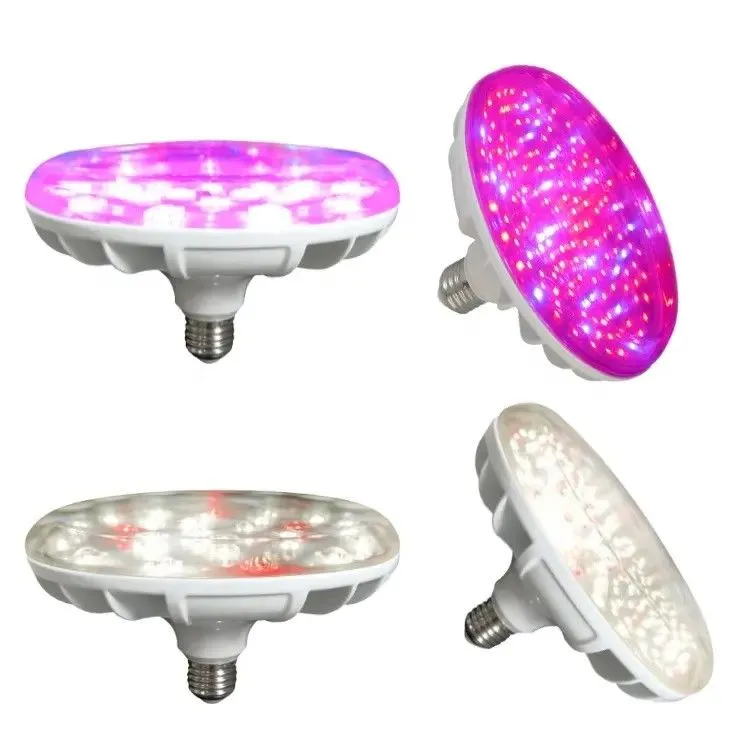
UFO Plant Lights, also known as LED UFO Grow Lights, have several features that make them potentially suitable for aquaponic systems:
1. Spectrum Control
UFO Plant Lights can be designed to emit a specific spectrum of light. Different plants have different light requirements at various stages of growth. For example, during the vegetative stage, plants need more blue light, which promotes leafy growth. In the flowering and fruiting stages, red light is more beneficial. Our Red UFO LED Grow Lights can be adjusted to provide the appropriate spectrum for different plant species and growth phases in an aquaponic system.
2. Energy Efficiency
LED technology used in UFO Plant Lights is highly energy - efficient. They consume less electricity compared to traditional lighting sources such as incandescent or fluorescent lights. This is important for aquaponic systems, as they often run continuously, and reducing energy consumption can lead to significant cost savings in the long run.
3. Heat Emission
UFO Plant Lights emit relatively low heat. In an aquaponic system, excessive heat can raise the water temperature in the fish tank, which may be harmful to the fish. The low - heat emission of UFO Plant Lights helps maintain a stable water temperature in the system, ensuring the well - being of both the fish and the plants.
4. Durability
These lights are built to last. They have a long lifespan, which means less frequent replacement. This is beneficial for aquaponic systems, as it reduces maintenance and replacement costs over time.
Considerations for Using UFO Plant Lights in Aquaponic Systems
While UFO Plant Lights have many advantages, there are also some considerations to keep in mind:
1. Light Intensity
The light intensity required by plants in an aquaponic system depends on the plant species. Some plants, such as leafy greens, may require lower light intensity, while fruiting plants may need higher intensity. It is important to adjust the height and power of the UFO Plant Lights to provide the appropriate light intensity for the specific plants in the system.
2. Water Resistance
Since aquaponic systems involve water, the lights need to be water - resistant. Our UFO Plant Lights are designed with appropriate waterproofing measures to ensure they can operate safely in a moist environment. However, it is still important to ensure proper installation and maintenance to prevent water damage.

3. Placement
Proper placement of the UFO Plant Lights is crucial. The lights should be positioned in a way that provides uniform light distribution across the plants. This may require some experimentation to find the optimal height and angle for the lights.
Case Studies and Research
There have been several studies on the use of artificial lighting in aquaponic systems. Some research has shown that plants grown under LED lights, including UFO Plant Lights, can have similar or even better growth rates compared to those grown under natural sunlight. For example, a study on lettuce grown in an aquaponic system found that plants under LED lights with the appropriate spectrum had higher yields and better nutritional quality.
In real - world applications, many aquaponic farmers have reported positive results using UFO Plant Lights. They have observed healthy plant growth, improved fish health due to stable water conditions, and cost savings on energy bills.
Conclusion
In conclusion, UFO Plant Lights are generally suitable for aquaponic systems. Their spectrum control, energy efficiency, low heat emission, and durability make them a good choice for providing the necessary light for plant growth in these systems. However, it is important to consider factors such as light intensity, water resistance, and proper placement to ensure optimal performance.
If you are interested in using UFO Plant Lights for your aquaponic system, we are here to help. Our team of experts can provide you with detailed information on the best lighting solutions for your specific needs. Contact us to start a discussion about your aquaponic project and explore how our UFO Plant Lights can contribute to its success.
References
- Smith, J. (2020). The Impact of LED Lighting on Plant Growth in Aquaponic Systems. Journal of Sustainable Agriculture, 15(2), 123 - 135.
- Johnson, A. (2019). Energy - Efficient Lighting Solutions for Aquaponic Farms. Aquaculture Today, 22(4), 56 - 62.


