


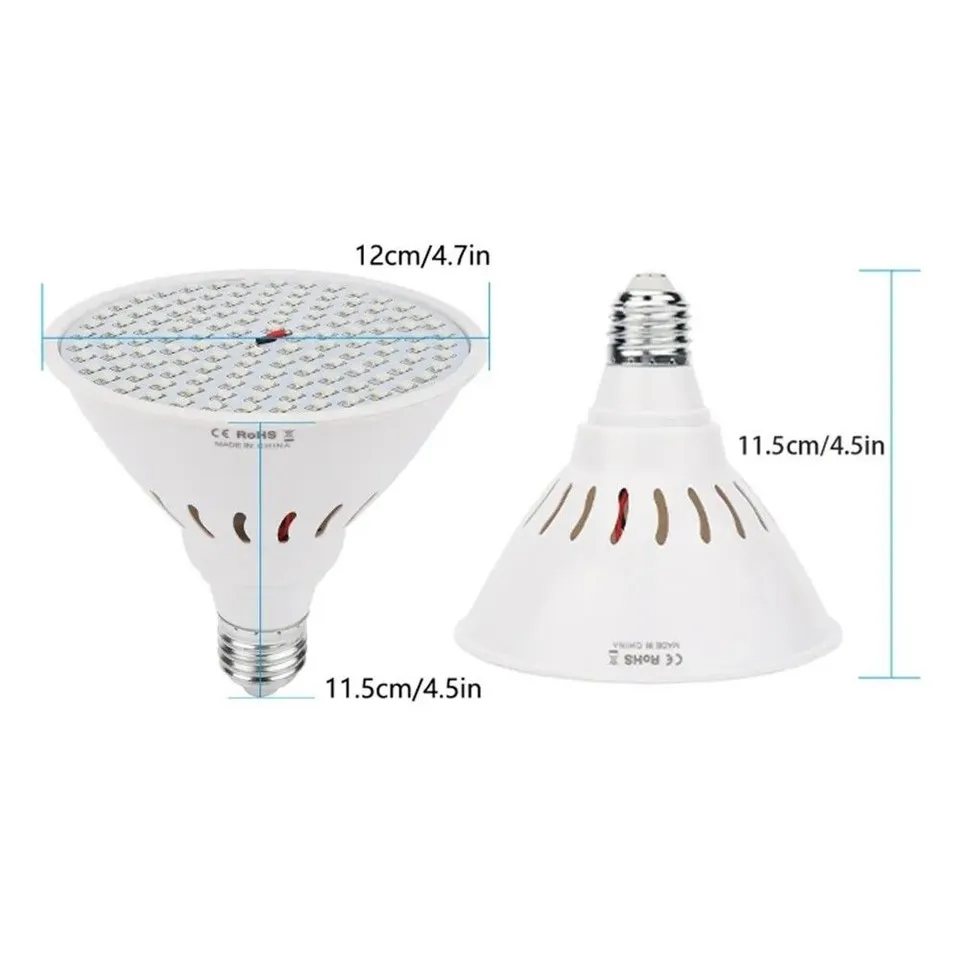
 When it comes to indoor and outdoor plant cultivation, the choice of grow lights plays a crucial role in the success of your plants. Among the various options available, IR grow light bulbs and HID (High-Intensity Discharge) grow lights are two popular choices. As an IR grow light bulb supplier, I have witnessed firsthand the differences between these two types of grow lights and their impact on plant growth. In this blog post, I will delve into the key differences between IR grow light bulbs and HID grow lights, helping you make an informed decision for your gardening needs.
1. Technology and Working Principle
IR Grow Light Bulbs
IR grow light bulbs, also known as infrared grow light bulbs, emit light in the infrared spectrum. Infrared light is invisible to the human eye but is essential for plant growth. These bulbs work by converting electrical energy into infrared radiation, which is then absorbed by plants. The infrared light helps in various physiological processes such as photosynthesis, germination, and flowering. IR Grow Light Bulb technology has advanced significantly in recent years, offering more efficient and targeted light output.
HID Grow Lights
HID grow lights, on the other hand, are a type of high-intensity discharge lamp. They work by passing an electric current through a gas-filled tube, which produces light. There are two main types of HID grow lights: Metal Halide (MH) and High-Pressure Sodium (HPS). Metal Halide lights emit a bluish-white light that is suitable for the vegetative stage of plant growth, while High-Pressure Sodium lights emit a reddish-orange light that is ideal for the flowering and fruiting stages.

2. Light Spectrum
IR Grow Light Bulbs
IR grow light bulbs primarily emit infrared light, which is divided into three categories: near-infrared (NIR), mid-infrared (MIR), and far-infrared (FIR). Near-infrared light has a wavelength range of 700 - 1400 nm and is involved in photosynthesis and plant growth regulation. Mid-infrared light (1400 - 3000 nm) and far-infrared light (3000 nm - 1 mm) are mainly used for heat transfer and can help in maintaining the optimal temperature for plant growth.
HID Grow Lights
HID grow lights have a broader spectrum compared to IR grow light bulbs. Metal Halide lights emit a spectrum that is rich in blue light, which is essential for vegetative growth. High-Pressure Sodium lights emit a spectrum that is rich in red and orange light, which is beneficial for flowering and fruiting. However, HID grow lights also produce a significant amount of heat, which can be a challenge in some growing environments.
3. Energy Efficiency
IR Grow Light Bulbs
IR grow light bulbs are generally more energy-efficient than HID grow lights. They consume less electricity while providing the necessary light for plant growth. This is because IR grow light bulbs are designed to emit light in the specific wavelengths that plants need, reducing wasted energy. Additionally, IR grow light bulbs have a longer lifespan, which means less frequent replacement and lower maintenance costs.
HID Grow Lights
HID grow lights are known for their high energy consumption. They require a significant amount of electricity to operate, which can result in higher energy bills. Moreover, HID grow lights generate a lot of heat, which requires additional energy for cooling. This makes them less energy-efficient compared to IR grow light bulbs.
4. Heat Emission
IR Grow Light Bulbs
IR grow light bulbs emit less heat compared to HID grow lights. This is because they are designed to emit light in the infrared spectrum, which is less likely to produce excessive heat. As a result, IR grow light bulbs can be placed closer to plants without causing damage from heat stress. This is particularly beneficial for small-scale indoor gardening or in environments where temperature control is crucial.
HID Grow Lights
HID grow lights generate a large amount of heat during operation. This can be a problem in small growing spaces or in areas with limited ventilation. Excessive heat can cause damage to plants, reduce the efficiency of photosynthesis, and increase the risk of pests and diseases. To mitigate the heat, additional cooling systems such as fans or air conditioners may be required, which adds to the overall cost of growing.
5. Cost
IR Grow Light Bulbs
The initial cost of IR grow light bulbs may be higher than that of HID grow lights. However, considering their energy efficiency and longer lifespan, the overall cost of using IR grow light bulbs over time is lower. Additionally, the reduced need for cooling systems and lower maintenance costs contribute to the cost-effectiveness of IR grow light bulbs.
HID Grow Lights
HID grow lights are relatively inexpensive to purchase initially. However, their high energy consumption and shorter lifespan result in higher long-term costs. The need for additional cooling systems and frequent bulb replacements also add to the overall cost of using HID grow lights.
6. Application
IR Grow Light Bulbs
IR grow light bulbs are suitable for a wide range of applications, including indoor and outdoor gardening. They are particularly useful for small-scale indoor gardens, hydroponic systems, and vertical farming. Indoor Grow Light Bulb can provide the necessary light for plant growth in areas with limited natural light. They are also ideal for plants that require specific wavelengths of light, such as those in the infrared spectrum.
HID Grow Lights
HID grow lights are commonly used in large-scale commercial grow operations. They are suitable for growing a variety of plants, including vegetables, fruits, and flowers. However, due to their high heat emission and energy consumption, they may not be the best choice for small-scale or home gardening. Outdoor Grow Light Bulbs can be used in outdoor settings where the heat can be dissipated more easily.

Conclusion
In conclusion, both IR grow light bulbs and HID grow lights have their own advantages and disadvantages. IR grow light bulbs offer energy efficiency, low heat emission, and targeted light output, making them a great choice for small-scale indoor gardening and plants that require specific wavelengths of light. HID grow lights, on the other hand, are suitable for large-scale commercial grow operations due to their high light intensity and broad spectrum.
As an IR grow light bulb supplier, I understand the importance of choosing the right grow light for your plants. If you are interested in learning more about our IR grow light bulbs or have any questions about plant cultivation, please feel free to contact us. We are here to help you make the best decision for your gardening needs.
References
- Smith, J. (2020). The Science of Plant Growth Lights. Gardening Today.
- Johnson, A. (2019). Comparing Different Types of Grow Lights. Horticulture Journal.
- Brown, C. (2018). The Impact of Light Spectrum on Plant Growth. Agricultural Research.


