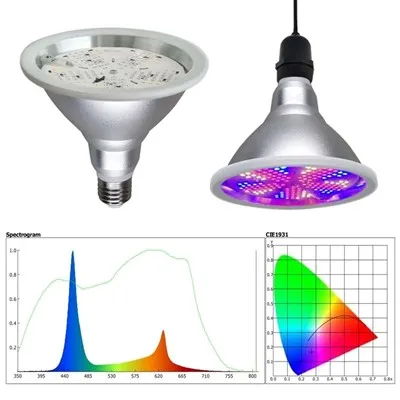

Hey there! As a supplier of par spot lights, I often get asked if these lights can be used in a parking lot. Well, the short answer is yes, and in this blog, I'll dive into why par spot lights are a great option for parking lots, the different types available, and how they can benefit your parking area.
Let's start by understanding what par spot lights are. PAR stands for parabolic aluminized reflector. These lights are designed with a parabolic reflector that focuses the light into a concentrated beam. This focused beam makes them ideal for applications where you need to illuminate a specific area, like a parking lot.
One of the main advantages of using par spot lights in a parking lot is their high - intensity illumination. Parking lots need to be well - lit for safety reasons. Adequate lighting helps drivers see clearly, reducing the risk of accidents. It also deters criminal activities as potential wrongdoers are less likely to operate in well - lit areas. Par spot lights can provide the bright, focused light needed to cover large areas of a parking lot effectively.
Another benefit is energy efficiency. Modern par spot lights, especially LED ones, consume significantly less energy compared to traditional lighting options. LED par spot lights convert a higher percentage of electrical energy into light, which means you can save on electricity bills in the long run. Plus, they have a longer lifespan, so you won't have to replace them as often, reducing maintenance costs.
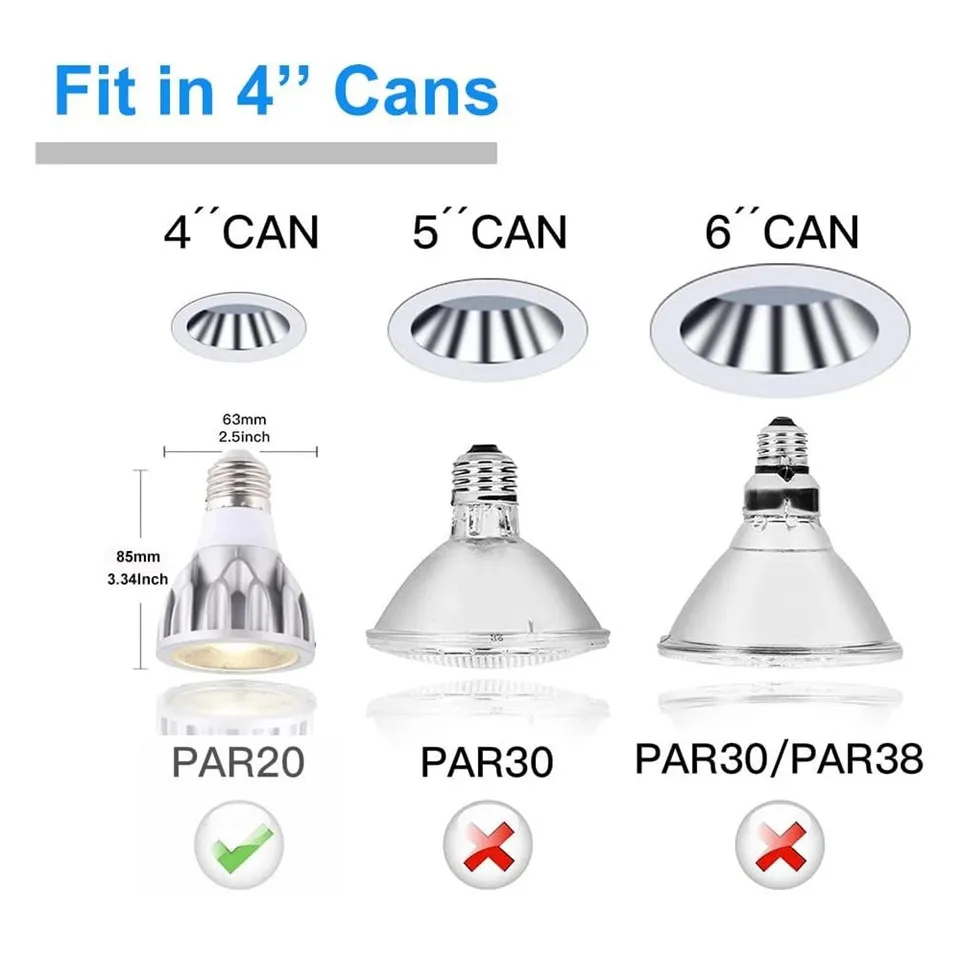
Now, let's talk about the different types of par spot lights that can be used in a parking lot. There's the Par30 LED Spotlight. The Par30 is a popular choice because of its size and light output. It can provide a good balance between the area covered and the intensity of the light. The LED version is even better as it offers the energy - saving benefits we mentioned earlier.
Then, there's the Par20 Spotlight. The Par20 is a bit smaller than the Par30 but can still be very effective in a parking lot. It's great for illuminating smaller sections, like near entrances or exits, or for highlighting specific features in the parking area.
Of course, we also have the Par Spotlight in general. There are various sizes and wattages available under this category, so you can choose the one that best suits the size and layout of your parking lot.
When it comes to installation, par spot lights are relatively easy to install. They can be mounted on poles or walls, depending on your parking lot's design. You can also adjust the angle of the lights to ensure that the entire area is well - lit.
In terms of durability, par spot lights are built to last. They are designed to withstand different weather conditions, which is crucial for an outdoor application like a parking lot. Whether it's rain, snow, or extreme heat, these lights can keep working effectively.
But, like any lighting solution, there are a few things to consider when using par spot lights in a parking lot. First, you need to calculate the right number of lights based on the size of the parking lot. You don't want to under - light the area, but you also don't want to over - light it and waste energy. Second, you need to make sure the color temperature of the lights is appropriate. A color temperature between 4000K - 5000K is usually recommended for parking lots as it provides a bright, white light that improves visibility.
If you're thinking about using par spot lights in your parking lot, I'd love to have a chat with you. Whether you're a property manager, a business owner, or someone in charge of a public parking area, we can discuss your specific needs and find the best par spot light solution for you. Just reach out, and we can start the conversation about how to make your parking lot safer and more energy - efficient.
In conclusion, par spot lights are a fantastic option for parking lots. They offer high - intensity illumination, energy efficiency, durability, and are easy to install. With the right type and proper installation, they can transform your parking area into a well - lit and safe space.

References:
- General knowledge about lighting technology and applications
- Industry reports on energy - efficient lighting solutions