
Hey there, fellow herb enthusiasts! As a supplier of Grow Light Tube Bulbs, I often get asked if these bulbs can be used for growing herbs. Well, you bet they can! In this blog, I'm gonna break down all you need to know about using grow light tube bulbs for your herb garden.
Why Herbs Need Grow Lights
Let's start by understanding why herbs might need some extra light. Herbs, just like any other plants, rely on light for photosynthesis. This is the process where they convert light energy into chemical energy to grow, develop, and produce those lovely flavors and aromas we all love.
In some cases, natural sunlight might not be enough. Maybe you're growing herbs indoors, or you live in an area with limited sunlight, especially during the winter months. That's where grow light tube bulbs come in handy. They can provide the necessary light spectrum to support healthy herb growth, no matter the season or location.
The Science Behind Grow Light Tube Bulbs
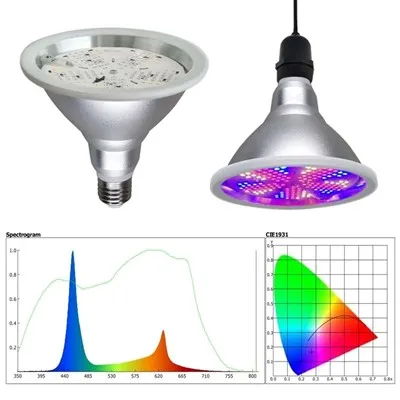
Grow light tube bulbs are designed to mimic the natural sunlight that plants need. They emit specific wavelengths of light that are crucial for different stages of plant growth. For herbs, the most important wavelengths are in the blue and red spectrum.
Blue light is essential for vegetative growth. It helps herbs develop strong stems and leaves. When herbs receive enough blue light, they tend to grow more compact and have a darker green color. On the other hand, red light is crucial for flowering and fruiting. While most herbs are grown for their leaves, some, like basil, can benefit from red light during certain stages of growth.
Our Full Spectrum LED Tubes are a great option for herb growers. They provide a balanced combination of blue and red light, along with other wavelengths in the spectrum. This full spectrum of light ensures that your herbs get all the light they need for healthy growth from seedling to harvest.
Benefits of Using Grow Light Tube Bulbs for Herbs
- Year - Round Growth: With grow light tube bulbs, you can grow herbs all year long. Whether it's the middle of winter or a rainy summer day, your herbs will still get the light they need to thrive.
- Controlled Environment: You have full control over the light intensity and duration. This means you can adjust the lighting conditions to suit the specific needs of different herb varieties. For example, some herbs like mint and parsley prefer more light, while others like chives can tolerate a bit less.
- Space - Efficient: If you're short on space, grow light tube bulbs are a great solution. You can set up a small indoor herb garden using shelves or cabinets and use the bulbs to provide the necessary light. Our Grow Light Tube Bulbs are compact and easy to install, making them perfect for small - scale herb growing.
- Healthy Herbs: By providing the right light spectrum, grow light tube bulbs can help your herbs grow stronger and more resistant to pests and diseases. Healthy herbs also tend to have better flavor and aroma, which is a win - win for any herb lover.
Choosing the Right Grow Light Tube Bulbs for Your Herbs
When it comes to choosing grow light tube bulbs for your herbs, there are a few things to consider.
Light Intensity: Different herbs have different light requirements. As a general rule, most herbs need about 12 - 16 hours of light per day. You'll want to choose a bulb with the right intensity to meet these needs. Our T8 Grow Light Tubes are available in different wattages, so you can select the one that's best for your herb garden.
Spectrum: As mentioned earlier, the blue and red spectrum is crucial for herb growth. Look for bulbs that provide a balanced combination of these wavelengths. Full - spectrum bulbs are a great choice as they cover all the necessary wavelengths for plant growth.
Energy Efficiency: LED grow light tube bulbs are more energy - efficient than traditional fluorescent or incandescent bulbs. They use less electricity and produce less heat, which is not only better for your energy bill but also safer for your herbs.
Setting Up Your Herb Garden with Grow Light Tube Bulbs
Once you've chosen the right bulbs, it's time to set up your herb garden.
Placement: Place the grow light tube bulbs about 6 - 12 inches above the herbs. You can adjust the height as the herbs grow to ensure they get the right amount of light. If the bulbs are too close, the herbs might get burned, and if they're too far, the light intensity might be too low.
Light Schedule: Set a timer for the grow light tube bulbs to ensure they turn on and off at the same time every day. This will help your herbs establish a regular growth pattern.
Monitoring: Keep an eye on your herbs to see how they're responding to the light. If the leaves start to turn yellow or brown, it might be a sign that the light intensity is too high or the bulbs are too close. Adjust the settings accordingly.
Different Herb Varieties and Their Light Needs
Not all herbs have the same light requirements. Here are some common herb varieties and their light needs:
Basil: Basil loves lots of light. It needs at least 12 - 16 hours of bright light per day. You can use a high - intensity grow light tube bulb to ensure it grows well.
Mint: Mint is a hardy herb that can tolerate a bit less light. However, it still needs about 10 - 12 hours of light per day for optimal growth.


Parsley: Parsley prefers bright, indirect light. You can use a medium - intensity grow light tube bulb and keep it about 8 - 10 inches above the plants.
Chives: Chives can grow in partial shade, but they will grow better with 8 - 10 hours of light per day. A lower - intensity bulb placed a bit further away from the plants should work well.
Troubleshooting Common Issues
Even with the best grow light tube bulbs, you might encounter some issues with your herb garden.
Leggy Growth: If your herbs are growing tall and spindly, it might be a sign that they're not getting enough light. Try increasing the light intensity or moving the bulbs closer to the plants.
Yellow Leaves: Yellow leaves can be caused by too much light, over - watering, or nutrient deficiencies. Check the light settings and make sure you're not over - watering your herbs. You might also want to consider adding some plant nutrients.
Slow Growth: If your herbs are growing slowly, it could be due to low light intensity or incorrect light duration. Adjust the settings and give your herbs some time to recover.
Conclusion
So, can grow light tube bulbs be used for herbs? Absolutely! They offer a convenient and effective way to grow herbs all year long, no matter the weather or location. By choosing the right bulbs, setting up your herb garden correctly, and monitoring your plants, you can enjoy a bountiful harvest of fresh, flavorful herbs.
If you're interested in purchasing grow light tube bulbs for your herb garden, I'd love to talk to you. Whether you're a beginner or an experienced herb grower, we have the right products to meet your needs. Reach out to us to discuss your requirements and let's start growing some amazing herbs together!
References
- Smith, J. (2020). The Science of Plant Lighting. Gardening Today.
- Johnson, A. (2019). Indoor Herb Gardening with Grow Lights. Herb Grower's Journal.