
Can UFO Grow Lights Be Used for Cloning Plants?
As a supplier of UFO grow lights, I often get asked whether these lights can be used for cloning plants. In this blog post, I'll delve into the science behind plant cloning, the characteristics of UFO grow lights, and explore whether they are a suitable option for the cloning process.
Understanding Plant Cloning
Plant cloning is a horticultural technique that involves taking a cutting from a parent plant and encouraging it to develop roots, creating a genetically identical copy of the original plant. This method is widely used in the horticulture and cannabis industries to reproduce plants with desirable traits, such as high yield, disease resistance, or specific flavor profiles.
The success of plant cloning depends on several factors, including the health of the parent plant, the quality of the cutting, and the environmental conditions during the rooting process. One of the most critical environmental factors is light. Light plays a crucial role in photosynthesis, the process by which plants convert light energy into chemical energy to fuel their growth and development. During the cloning stage, the right type and intensity of light can significantly impact the rooting success and the overall health of the cloned plants.
Characteristics of UFO Grow Lights
UFO grow lights are a popular choice among indoor growers due to their unique design and performance characteristics. These lights typically feature a circular shape, resembling a flying saucer, which allows for even light distribution over a large area. They are available in a variety of wattages and spectrums, making them suitable for different stages of plant growth.
One of the key advantages of UFO grow lights is their energy efficiency. LED technology, which is commonly used in UFO grow lights, consumes less energy compared to traditional lighting systems, such as high-pressure sodium (HPS) or metal halide (MH) lights. This not only reduces electricity costs but also minimizes heat production, which can be beneficial for maintaining optimal growing conditions.
Another advantage of UFO grow lights is their customizable spectrum. Different plants have different light requirements at different stages of their growth cycle. For example, during the vegetative stage, plants require more blue light to promote leafy growth, while during the flowering stage, they need more red light to stimulate bud development. UFO grow lights can be designed to provide a specific spectrum of light, allowing growers to tailor the lighting conditions to the needs of their plants.


Using UFO Grow Lights for Cloning Plants
Now that we understand the basics of plant cloning and the characteristics of UFO grow lights, let's explore whether these lights can be used for cloning plants.
Light Intensity
During the cloning stage, plants require a relatively low light intensity compared to the vegetative or flowering stages. Too much light can cause stress to the cuttings, leading to poor rooting and stunted growth. UFO grow lights can be adjusted to provide the appropriate light intensity for cloning. Most UFO grow lights come with adjustable dimming options, allowing growers to reduce the light intensity to a level that is suitable for the delicate cuttings.
Light Spectrum
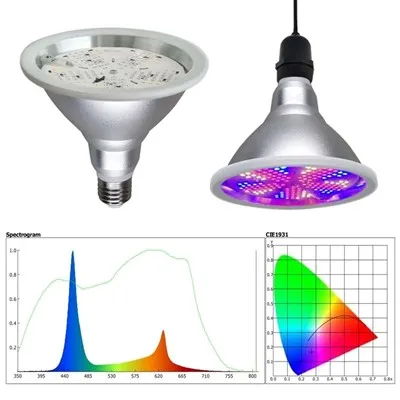
The light spectrum is also an important factor to consider when using UFO grow lights for cloning. As mentioned earlier, plants require different spectrums of light at different stages of their growth cycle. During the cloning stage, plants benefit from a balanced spectrum of light that includes both blue and red wavelengths. Blue light helps to promote root development and strong, healthy growth, while red light stimulates photosynthesis and overall plant vigor.
Many UFO grow lights are designed to provide a full spectrum of light, which includes both blue and red wavelengths. UFO Grow Light Full Spectrum is a great option for cloning plants as it provides the right balance of light to support root development and early growth.
Light Duration
In addition to light intensity and spectrum, the duration of light exposure is also crucial for successful plant cloning. Cuttings typically require 18-24 hours of light per day during the rooting process. UFO grow lights can be easily programmed to provide the appropriate light duration, ensuring that the cuttings receive enough light to develop roots and establish themselves.
Advantages of Using UFO Grow Lights for Cloning
There are several advantages to using UFO grow lights for cloning plants:
- Energy Efficiency: UFO grow lights consume less energy compared to traditional lighting systems, which can result in significant cost savings over time.
- Even Light Distribution: The circular design of UFO grow lights allows for even light distribution over a large area, ensuring that all the cuttings receive the same amount of light.
- Customizable Spectrum: UFO grow lights can be designed to provide a specific spectrum of light, allowing growers to tailor the lighting conditions to the needs of their plants.
- Low Heat Emission: LED technology used in UFO grow lights produces less heat compared to traditional lighting systems, which can help to maintain optimal growing conditions and prevent heat stress to the cuttings.
Conclusion
In conclusion, UFO grow lights can be a great option for cloning plants. Their energy efficiency, customizable spectrum, and even light distribution make them suitable for providing the right lighting conditions during the rooting process. By choosing the right UFO grow light, such as Red UFO LED Grow Lights or UFO Plant Light, and adjusting the light intensity, spectrum, and duration according to the needs of the cuttings, growers can increase the chances of successful cloning and produce healthy, strong plants.
If you're interested in using UFO grow lights for cloning plants or have any questions about our products, please don't hesitate to contact us. We're here to help you find the right lighting solution for your indoor growing needs.
References
- Smith, J. (2020). The Science of Plant Cloning. Horticulture Today, 25(3), 45-52.
- Johnson, A. (2019). LED Grow Lights: A Guide for Indoor Growers. Indoor Gardening Magazine, 18(2), 32-38.
- Brown, S. (2018). The Importance of Light in Plant Growth. Plant Science Journal, 12(4), 56-63.