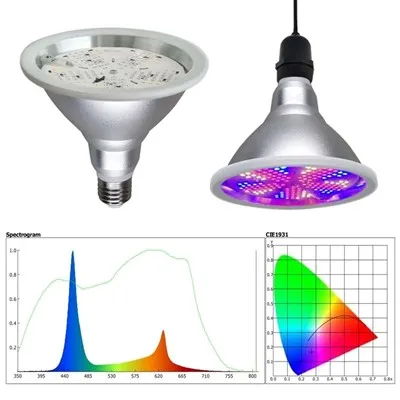

Hey there! As a supplier of LED Plant Light Bulbs, I often get asked about how to measure the light output of these bulbs. It's a crucial aspect for anyone looking to optimize plant growth under artificial lighting. In this blog, I'll break down the methods and tools you can use to measure the light output of LED plant light bulbs.

Why Measuring Light Output Matters
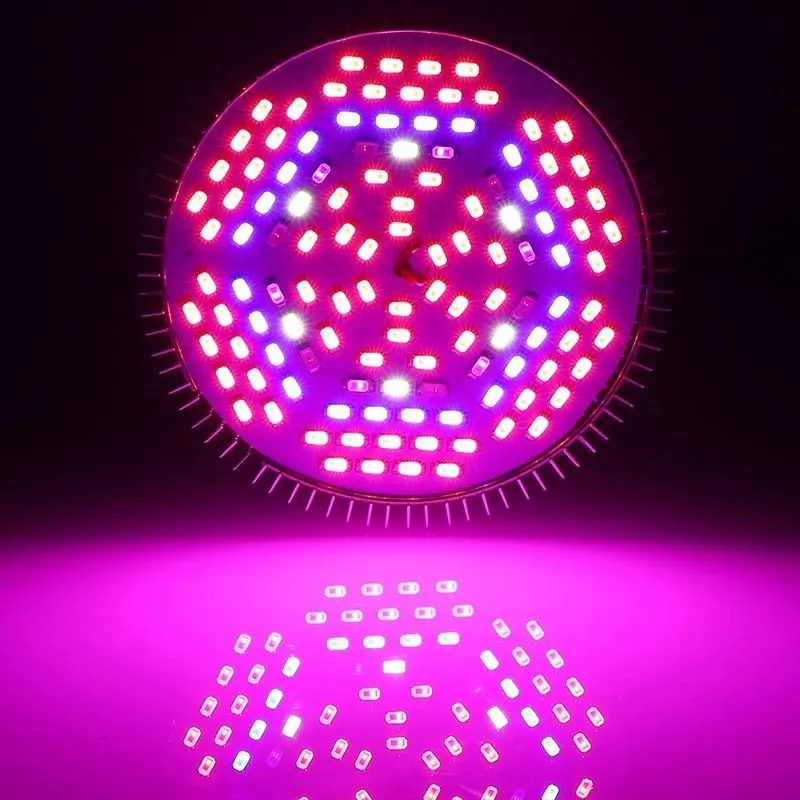
Before we dive into the measurement methods, let's understand why it's so important to measure the light output of LED plant light bulbs. Different plants have different light requirements at various stages of their growth. For example, seedlings need less intense light compared to mature plants. By accurately measuring the light output, you can ensure that your plants are getting the right amount of light, which can lead to healthier growth, better yields, and more efficient use of energy.
Tools for Measuring Light Output
There are several tools available for measuring the light output of LED plant light bulbs. The most common ones are:
1. PAR Meter
PAR (Photosynthetically Active Radiation) meters are specifically designed to measure the light that plants can use for photosynthesis. They measure the amount of light in the 400 - 700 nanometer wavelength range, which is the range of light that plants can absorb and use for growth. PAR meters are typically handheld devices that you can place near the plants to get an accurate reading of the light intensity.
2. Lux Meter
Lux meters measure the total amount of visible light in a given area. While they don't specifically measure the light that plants use for photosynthesis, they can still be useful for getting a general idea of the light intensity. Lux meters are more commonly used in indoor lighting applications and are relatively inexpensive compared to PAR meters.
3. Spectrometer
Spectrometers are more advanced tools that can measure the spectral distribution of light. They can provide detailed information about the wavelengths of light emitted by the LED plant light bulbs, which can be useful for understanding the quality of the light. Spectrometers are typically more expensive and require more technical knowledge to use.
Measuring Light Output with a PAR Meter
If you're using a PAR meter to measure the light output of your LED plant light bulbs, here's how you can do it:
- Position the Meter: Place the PAR meter at the same height as the plants. Make sure the sensor is facing the light source.
- Take Multiple Readings: Take readings at different points around the growing area to get an average light intensity. This will give you a more accurate representation of the light distribution.
- Record the Readings: Write down the readings and calculate the average PAR value. This will give you an idea of the overall light intensity in the growing area.
Measuring Light Output with a Lux Meter
If you're using a lux meter to measure the light output, the process is similar to using a PAR meter:
- Position the Meter: Place the lux meter at the same height as the plants and facing the light source.
- Take Multiple Readings: Take readings at different points around the growing area to get an average light intensity.
- Record the Readings: Write down the readings and calculate the average lux value. Keep in mind that lux values don't directly correspond to the light that plants use for photosynthesis, but they can still give you a general idea of the light intensity.
Measuring Light Output with a Spectrometer
Using a spectrometer to measure the light output of LED plant light bulbs is a more complex process. Here's a general overview of how it works:
- Calibrate the Spectrometer: Before taking any measurements, you need to calibrate the spectrometer to ensure accurate results.
- Position the Spectrometer: Place the spectrometer at the same height as the plants and facing the light source.
- Take a Reading: The spectrometer will measure the spectral distribution of the light emitted by the LED plant light bulbs. This will give you detailed information about the wavelengths of light and their intensities.
- Analyze the Data: Use the software provided with the spectrometer to analyze the data and generate a spectral graph. This will help you understand the quality of the light and how it may affect plant growth.
Factors Affecting Light Output
There are several factors that can affect the light output of LED plant light bulbs. These include:
1. Distance from the Light Source
The further the plants are from the light source, the lower the light intensity will be. It's important to position the LED plant light bulbs at the right distance from the plants to ensure they receive enough light.
2. Angle of the Light
The angle at which the light hits the plants can also affect the light intensity. Make sure the light is evenly distributed across the growing area to avoid any areas of low light intensity.
3. Bulb Quality
The quality of the LED plant light bulbs can also affect the light output. Higher quality bulbs tend to have a more consistent light output and a better spectral distribution.
Our LED Plant Light Bulbs
At our company, we offer a wide range of LED Plant Light Bulbs to meet the needs of different growers. Our bulbs are designed to provide the right spectrum of light for optimal plant growth. We also offer Dimmable Grow Light Bulb options, which allow you to adjust the light intensity according to the needs of your plants. Additionally, we have Ir Grow Light Bulb that can provide additional infrared light for specific plant growth requirements.
Conclusion
Measuring the light output of LED plant light bulbs is an important step in ensuring optimal plant growth. By using the right tools and methods, you can accurately measure the light intensity and quality, and make adjustments as needed. If you're interested in purchasing high-quality LED plant light bulbs, feel free to reach out to us for more information and to discuss your specific needs. We're here to help you achieve the best results for your plants.
References
- Smith, J. (2020). "The Science of LED Plant Lighting." Journal of Horticultural Science.
- Johnson, A. (2019). "Measuring Light for Plant Growth." Agricultural Research Magazine.