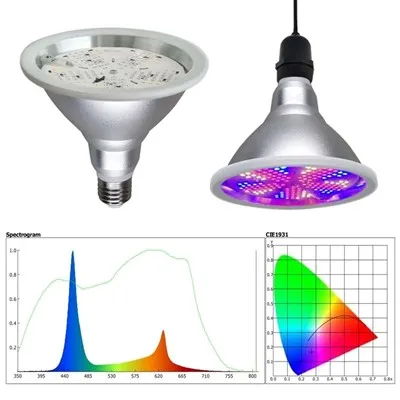

Hey there, fellow plant enthusiasts! I'm a supplier of UFO grow lights, and today I'm gonna dive into the question: How does the size of a UFO grow light matter?
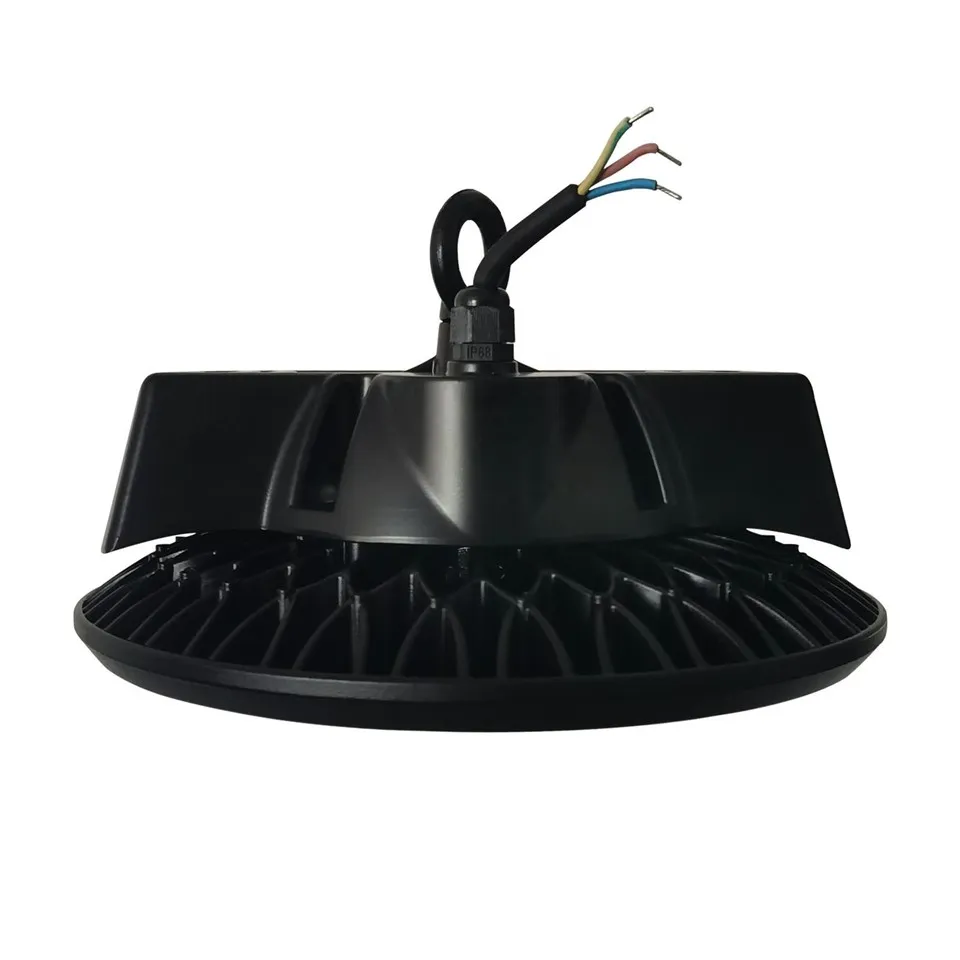
Let's start by understanding what a UFO grow light is. A UFO Plant Light is a type of lighting system designed specifically for indoor plant cultivation. It gets its name from its unique, saucer - like shape, which is not just for looks but also has some practical implications.
The Basics of UFO Grow Lights
UFO grow lights, especially LED UFO Grow Light, are known for their energy - efficiency and ability to provide the right spectrum of light for plant growth. They come in various sizes, and the size can have a significant impact on how well they perform for your plants.
Coverage Area
One of the most obvious ways the size of a UFO grow light matters is in terms of the coverage area. Larger UFO grow lights typically have a wider beam angle and can cover a larger area. For example, if you have a small indoor garden with just a few plants on a single shelf, a smaller UFO grow light might be sufficient. But if you're running a larger operation, like a small commercial greenhouse, you'll need a bigger light to ensure that all your plants receive adequate light.
Let's say you have a small grow tent that's about 2x2 feet. A smaller UFO grow light, maybe around 100 - 200 watts, could be perfect for this space. It'll provide enough light for your plants without over - illuminating or wasting energy. On the other hand, if you have a 4x4 feet grow area, you'll probably need a 400 - 600 - watt UFO grow light to cover the entire space evenly.
Light Intensity
The size of the UFO grow light also affects the light intensity. Generally, larger grow lights can produce a higher intensity of light. This is crucial for plants, as different stages of plant growth require different levels of light. For instance, during the vegetative stage, plants need a relatively high light intensity to grow strong and healthy. A larger UFO grow light can deliver this intensity over a larger area, which is great for growing multiple plants at once.
However, it's important to note that too much light can also be harmful to plants. If the light intensity is too high, it can cause leaf burn and other issues. So, you need to find the right balance based on the size of your grow area and the type of plants you're growing.
Heat Emission
Another factor related to the size of the UFO grow light is heat emission. Larger grow lights usually generate more heat. This can be a problem in some cases, especially in small grow spaces where heat can build up quickly. If the temperature in your grow area gets too high, it can stress your plants and even damage them.
To deal with this, you might need to invest in additional cooling equipment, like fans or air conditioners. On the other hand, smaller UFO grow lights produce less heat, which can be an advantage in smaller grow setups.
Different Sizes for Different Plant Types
Not all plants have the same light requirements. Some plants, like succulents and cacti, don't need as much light as leafy greens or flowering plants.
Succulents and Cacti
These plants are adapted to low - light conditions in their natural habitats. For them, a smaller Red UFO LED Grow Lights might be sufficient. A 50 - 100 - watt UFO grow light can provide enough light for a small collection of succulents or cacti. The red spectrum in these lights can also help with photosynthesis and promote healthy growth.
Leafy Greens
Leafy greens, such as lettuce and spinach, need more light to grow quickly and produce high - quality leaves. A medium - sized UFO grow light, around 200 - 300 watts, is usually a good choice for growing these plants. It can provide the right amount of light intensity and coverage for a small to medium - sized hydroponic or soil - based grow setup.
Flowering Plants
Flowering plants, like tomatoes and peppers, require even more light, especially during the flowering and fruiting stages. A larger UFO grow light, 400 watts or more, is often necessary to ensure that these plants get enough light to produce abundant flowers and fruits.
Cost Considerations
The size of the UFO grow light also affects the cost. Larger grow lights are generally more expensive than smaller ones. This includes not only the initial purchase cost but also the ongoing energy cost. A larger grow light will consume more electricity, which can add up over time.
However, if you're growing a large number of plants or running a commercial operation, the investment in a larger grow light might be worth it in the long run. It can increase your yields and improve the quality of your plants, which can lead to higher profits.

Making the Right Choice
So, how do you decide which size of UFO grow light is right for you? Here are some steps to help you make an informed decision:
- Assess your grow space: Measure the size of your grow area, including the height, width, and length. This will give you an idea of how much coverage you need.
- Consider your plant type: Different plants have different light requirements. Research the specific light needs of the plants you're growing and choose a grow light size accordingly.
- Budget: Determine how much you're willing to spend on a grow light, including the purchase price and ongoing energy costs.
- Read reviews: Look for reviews from other growers who have used different sizes of UFO grow lights. This can give you an idea of how well a particular size performs in real - world situations.
Conclusion
In conclusion, the size of a UFO grow light matters a great deal when it comes to indoor plant cultivation. It affects the coverage area, light intensity, heat emission, and cost. By understanding your specific needs and the requirements of your plants, you can choose the right size of UFO grow light to ensure healthy and productive plants.
If you're interested in purchasing UFO grow lights for your indoor garden, feel free to reach out. We're here to help you find the perfect size and type of grow light for your needs. Whether you're a hobbyist or a commercial grower, we've got you covered.
References
- "Indoor Plant Lighting Guide" by Green Thumb Publishing
- "LED Grow Lights: A Comprehensive Overview" by Horticulture Today Magazine