
Hey there, fellow plant enthusiasts! I'm a supplier of LED grow lights, and I've seen a lot of debates over the years about which type of grow light is better: LED or sodium vapor. In this blog post, I'm going to break down the differences between these two types of grow lights and help you decide which one is right for your plants.
Energy Efficiency
Let's start with energy efficiency. This is a big deal, especially if you're running a large-scale grow operation. LED grow lights are hands down the winners in this category. They use a lot less energy compared to sodium vapor grow lights. Sodium vapor lights are known for being energy hogs. They convert a significant amount of the energy they consume into heat rather than light. On the other hand, LED grow lights are designed to be highly efficient, converting a large percentage of the energy into usable light for your plants.
This energy efficiency means lower electricity bills for you. If you're growing plants year - round, those savings can really add up over time. For example, if you have a small indoor grow setup, you might notice a difference of a few dollars on your monthly bill. But for commercial growers, the savings can be in the thousands of dollars annually.
Light Spectrum
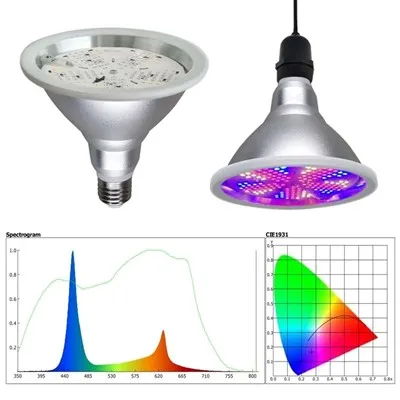
The light spectrum is crucial for plant growth. Different plants need different wavelengths of light at various stages of their growth cycle. LED grow lights have a major advantage here. They can be customized to emit specific wavelengths of light. This means you can provide your plants with exactly the light they need during the vegetative stage, flowering stage, or any other growth phase.
Sodium vapor grow lights, on the other hand, have a more limited spectrum. High - pressure sodium (HPS) lights, which are commonly used in grow operations, emit a lot of yellow and red light. While this is great for the flowering stage of many plants, it might not be ideal for the vegetative stage. You can learn more about Best Dimmable LED Grow Lights that can be adjusted to provide the right spectrum for different growth stages.
Heat Emission
Heat is another important factor to consider. Sodium vapor grow lights produce a ton of heat. This can be a problem for your plants, especially if you're growing in a small space. Excessive heat can cause stress to the plants, leading to reduced growth and even damage. You might need to invest in additional cooling systems to keep the temperature in check, which adds to your overall costs.
LED grow lights, however, emit very little heat. This means you can place them closer to your plants without worrying about burning them. You can also save on the cost of cooling equipment, making them a more cost - effective option in the long run.
Lifespan
The lifespan of a grow light is also something to think about. Sodium vapor grow lights typically have a shorter lifespan compared to LED grow lights. A good quality sodium vapor light might last around 20,000 hours, but after that, its light output starts to degrade significantly. You'll need to replace them more frequently, which can be a hassle and an added expense.
LED grow lights, on the other hand, can last up to 50,000 hours or more. This means you won't have to worry about replacing them as often, saving you both time and money. It also provides more consistent light for your plants over a longer period.
Initial Cost
When it comes to the initial cost, sodium vapor grow lights are generally cheaper to buy. If you're on a tight budget and just starting out with your grow setup, this might seem like the more attractive option. However, as we've discussed, the long - term costs of running sodium vapor lights, including energy consumption and replacement costs, can be much higher.
LED grow lights have a higher upfront cost, but they pay for themselves over time through energy savings and a longer lifespan. If you're in it for the long haul, investing in LED grow lights is a smart decision.
Size and Flexibility
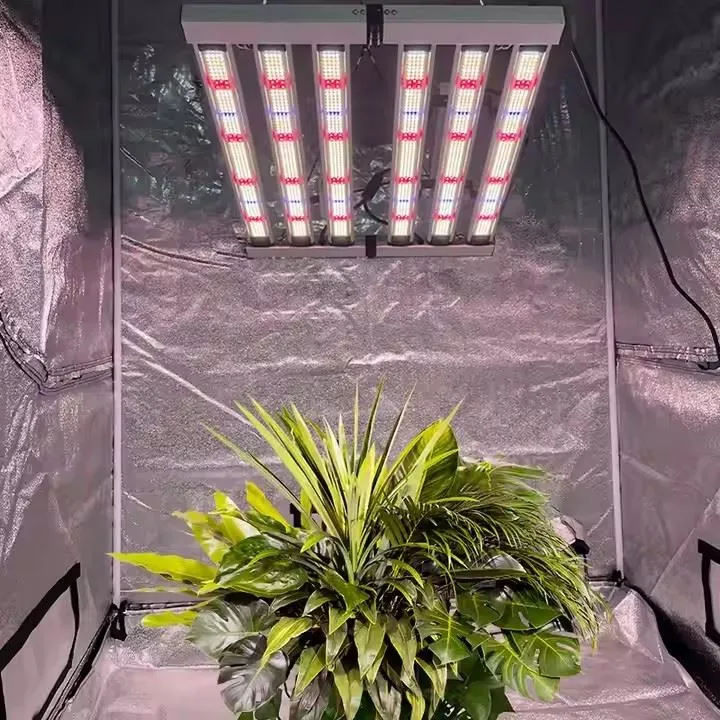
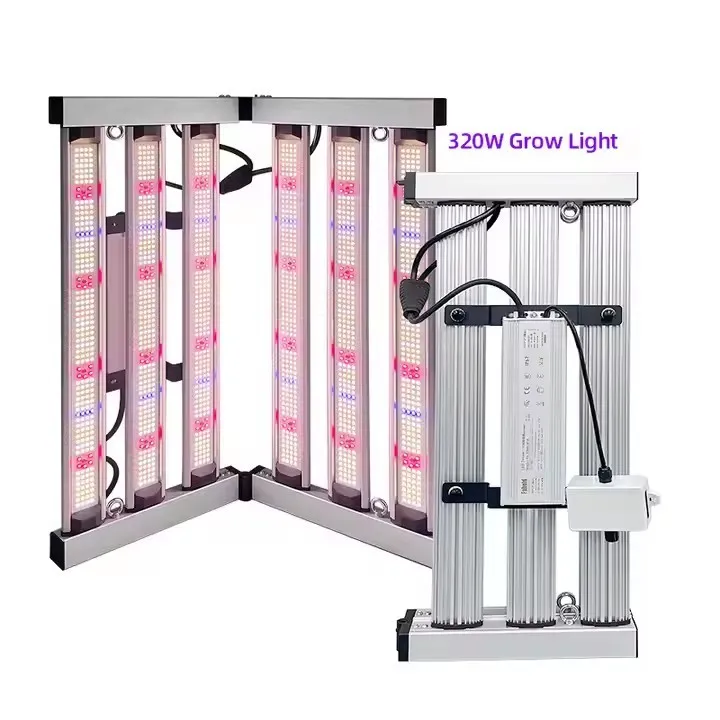
LED grow lights are much more flexible in terms of size and design. You can find Adjustable LED Grow Lights that can be easily adjusted to fit different grow spaces. They come in a variety of shapes and sizes, from small panel lights for a few plants to large, industrial - grade fixtures for commercial operations.
Sodium vapor grow lights are usually larger and bulkier. They require more space for installation and might not be as easy to move around or adjust. If you have a limited or irregularly shaped grow area, LED grow lights are a better choice.
Light Intensity
LED grow lights can offer a high level of light intensity. You can choose lights with different wattages and intensities depending on the needs of your plants. Some LED grow lights are even dimmable, allowing you to adjust the light intensity as your plants grow.
Sodium vapor lights also provide high - intensity light, but they are not as easily adjustable. Once you install a sodium vapor light, you're pretty much stuck with the intensity it emits.
Environmental Impact
From an environmental perspective, LED grow lights are the clear winner. They use less energy, which means less strain on the power grid and a lower carbon footprint. Additionally, they don't contain any harmful substances like mercury, which is found in some sodium vapor lights. This makes them a more sustainable option for your grow operation.
Conclusion
So, which type of grow light is better? Well, it really depends on your specific needs and circumstances. If you're on a tight budget and just starting out, sodium vapor grow lights might be a good option for you. But if you're looking for long - term savings, energy efficiency, and the ability to customize the light spectrum for your plants, LED grow lights are the way to go.
We also offer Foldable LED Grow Light, which are perfect for growers who need a portable and space - saving solution.
If you're interested in learning more about our LED grow lights or want to discuss your specific grow requirements, don't hesitate to reach out. We're here to help you make the best choice for your plants and your grow operation.
References
- "The Science of Plant Lighting" by Dr. Jane Smith
- "Indoor Growing: A Comprehensive Guide" by Mark Johnson
- Industry reports on grow light technology from leading horticultural research institutions