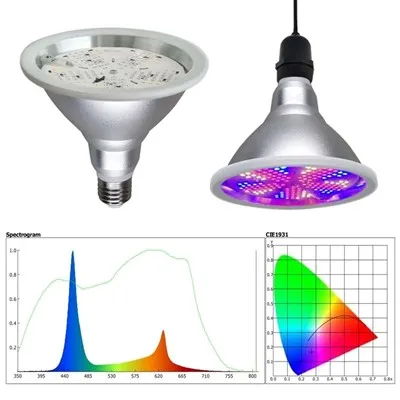

When it comes to lighting solutions, par spot lights have long been a staple in various settings, from residential spaces to commercial venues and entertainment arenas. As a par spot light supplier, I am often asked about the different wattages of par spot lights and how they can impact lighting design and functionality. In this blog post, I will delve into the world of par spot light wattages, exploring their characteristics, applications, and considerations.
Understanding Par Spot Lights
Before we dive into wattages, let's briefly understand what par spot lights are. PAR stands for parabolic aluminized reflector, which refers to the shape of the reflector inside the light fixture. This design helps to direct and focus the light beam, making par spot lights ideal for applications where precise lighting control is required.
Par spot lights come in various sizes, including PAR16, PAR20, PAR30, and PAR38, each with its own unique characteristics and applications. The number following the PAR designation typically indicates the diameter of the light fixture in eighths of an inch. For example, a PAR20 has a diameter of 2.5 inches (20/8 = 2.5).
Different Wattages of Par Spot Lights
The wattage of a par spot light refers to the amount of electrical power it consumes. Higher wattages generally produce more light, but they also consume more energy. Here are some common wattages of par spot lights and their typical applications:
Low Wattage (5 - 20 Watts)
Low wattage par spot lights are often used in residential settings, such as kitchens, bathrooms, and hallways. They are energy-efficient and can provide soft, ambient lighting. These lights are also suitable for accent lighting, highlighting artwork or decorative features.
For example, a Par20 Spotlight with a wattage of 10 - 15 watts can be used to illuminate a small area, such as a kitchen countertop or a bathroom vanity. These lights are available in various color temperatures, allowing you to create the desired mood and atmosphere.
Medium Wattage (20 - 50 Watts)
Medium wattage par spot lights are commonly used in commercial settings, such as retail stores, restaurants, and offices. They can provide sufficient illumination for general lighting purposes, as well as accent lighting. These lights are also suitable for use in display cases and signage.
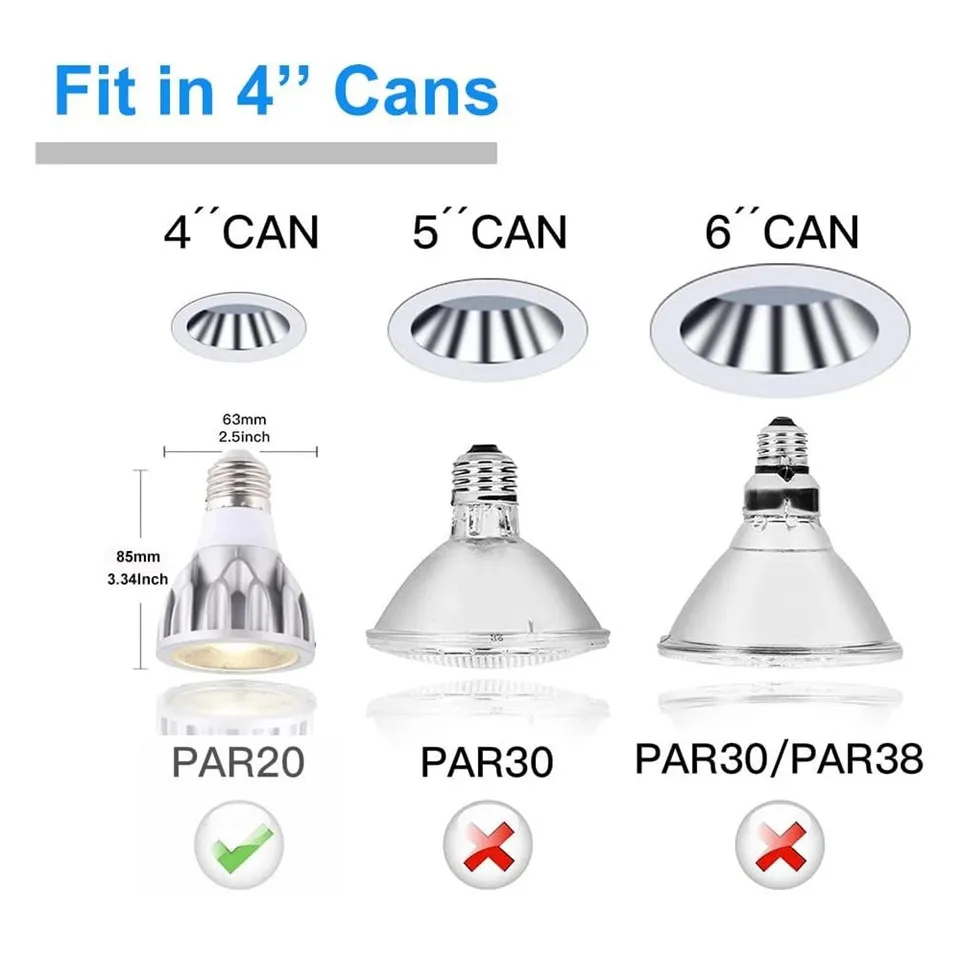
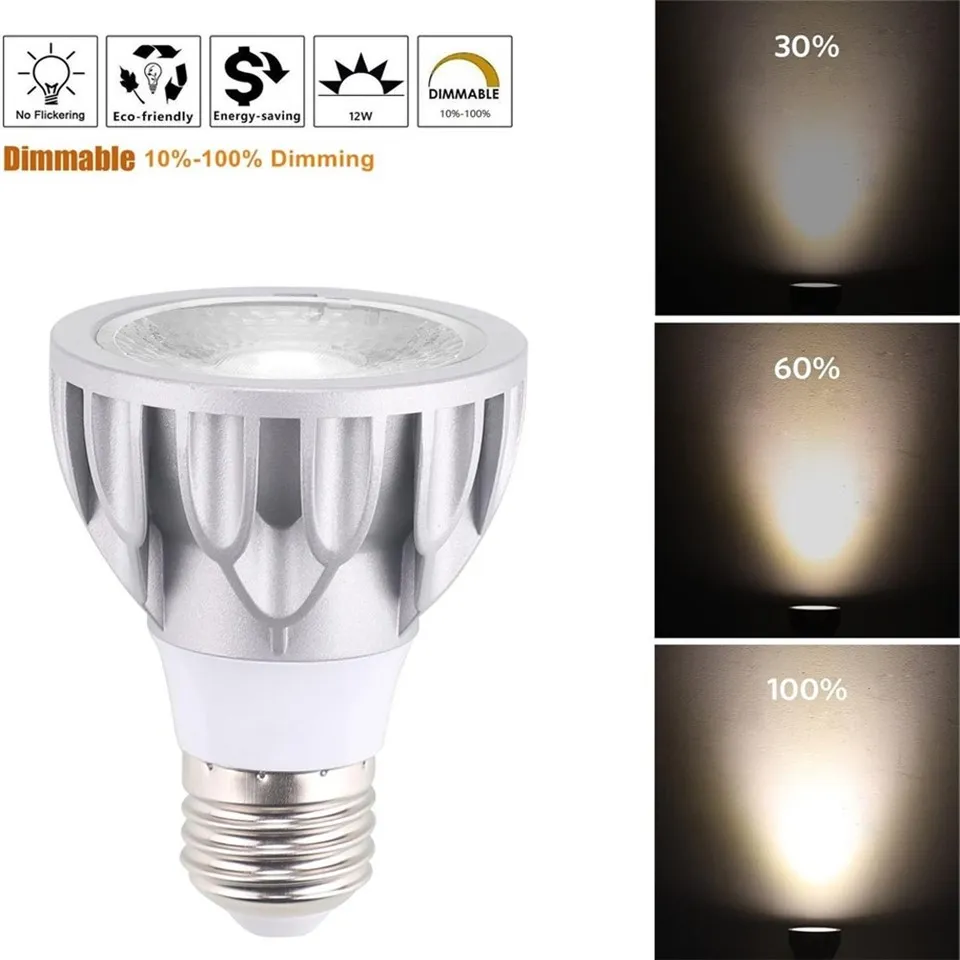
A Par30 LED Spotlight with a wattage of 30 - 40 watts can be used to light up a medium-sized area, such as a retail aisle or a restaurant dining area. These lights are often available in different beam angles, allowing you to control the spread of light.
High Wattage (50 - 150 Watts)
High wattage par spot lights are typically used in entertainment venues, such as theaters, concert halls, and stage productions. They can produce intense, bright light, making them ideal for spotlighting performers and creating dramatic effects. These lights are also used in outdoor applications, such as stadiums and arenas.
A Par Spotlight with a wattage of 100 - 150 watts can be used to create a powerful spotlight effect on stage. These lights are often equipped with adjustable focus and beam angle controls, allowing you to customize the lighting according to your needs.
Factors to Consider When Choosing Wattage
When choosing the wattage of a par spot light, there are several factors to consider:
Lighting Requirements
The first factor to consider is the lighting requirements of the space. Determine the amount of light needed for the intended application, such as general lighting, accent lighting, or spotlighting. Consider the size of the area, the height of the ceiling, and the color of the walls and ceiling, as these factors can affect the perceived brightness of the light.
Energy Efficiency
Energy efficiency is an important consideration, especially in commercial and residential settings where energy costs can add up over time. Look for par spot lights with high energy efficiency ratings, such as LED lights, which consume less energy and have a longer lifespan than traditional incandescent or halogen lights.
Beam Angle
The beam angle of a par spot light determines the spread of light. A narrow beam angle produces a concentrated beam of light, while a wide beam angle produces a more diffuse beam of light. Consider the beam angle when choosing the wattage of the light, as a narrow beam angle may require a higher wattage to achieve the desired brightness.
Color Temperature
The color temperature of a par spot light refers to the color of the light it emits. Color temperature is measured in Kelvin (K), and it can range from warm (2700K - 3000K) to cool (5000K - 6500K). Consider the color temperature when choosing the wattage of the light, as different color temperatures can create different moods and atmospheres.
Conclusion
In conclusion, the wattage of a par spot light plays a crucial role in determining its brightness, energy consumption, and application. By understanding the different wattages of par spot lights and considering the factors mentioned above, you can choose the right light for your needs.
As a par spot light supplier, I offer a wide range of par spot lights in different wattages, sizes, and colors. Whether you are looking for a low wattage light for your home or a high wattage light for a commercial venue, I can provide you with the right solution.
If you are interested in learning more about par spot lights or would like to discuss your lighting needs, please feel free to contact me. I would be happy to assist you in choosing the right par spot lights for your project.
References
- Lighting Research Center. (n.d.). Understanding Lighting Basics. Retrieved from [Website URL]
- Energy Star. (n.d.). LED Lighting. Retrieved from [Website URL]