


Hey there, fellow fish enthusiasts! I'm a supplier of Fish Tank Light Bulbs, and I'm stoked to share some insights on the best way to position a fish tank light bulb in your tank. Whether you're a seasoned aquarist or just starting out, getting the lighting right is crucial for the health and beauty of your underwater world.
First off, let's talk about why proper lighting is so important. Fish tank lighting isn't just about making your tank look pretty (although that's definitely a bonus). It plays a vital role in the well - being of your fish and any plants you might have in the tank. Light affects the fish's natural behavior, such as their sleep - wake cycles. For plants, it's essential for photosynthesis, which helps them grow and thrive.
Now, let's dive into the different ways you can position your fish tank light bulb.
Above the Tank
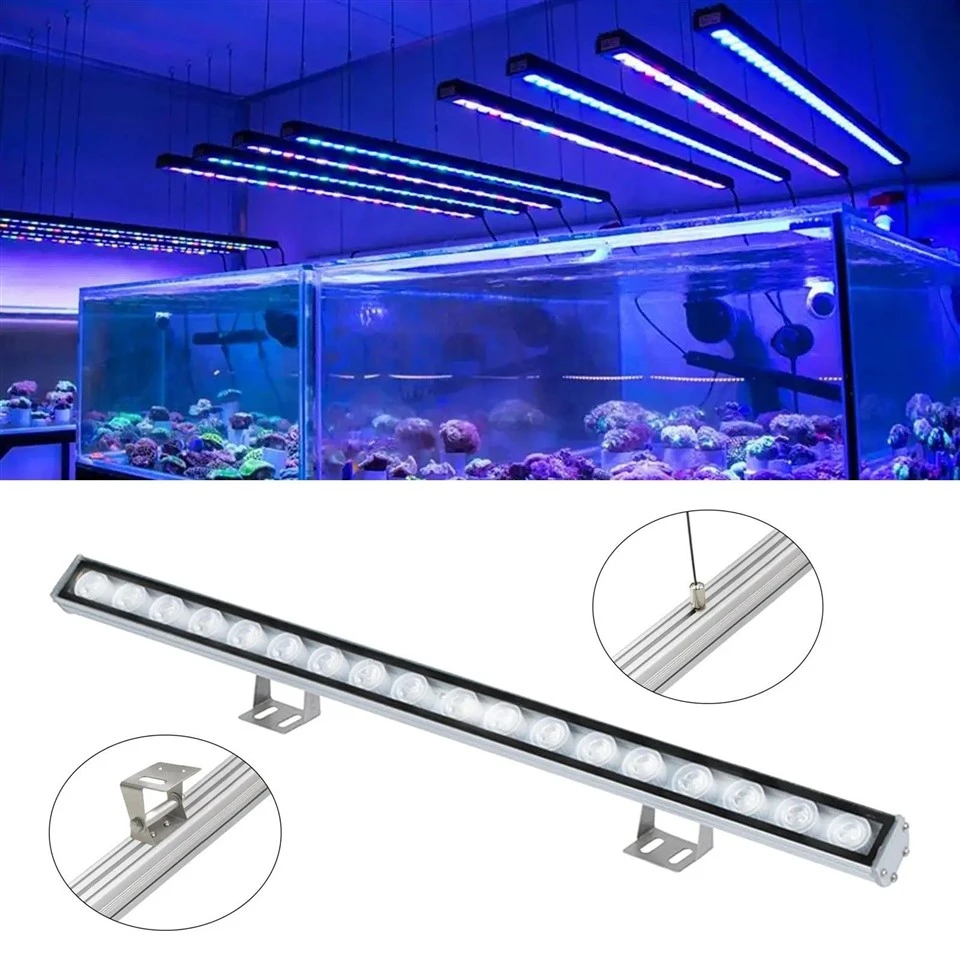
The most common way to position a fish tank light bulb is above the tank. This is a great option for a few reasons. First of all, it provides even lighting across the entire tank. When the light is directly above, it mimics the natural sunlight that would shine down on a body of water. This helps to create a more natural environment for your fish and plants.
If you're using a Fish Tank Light Bulb, make sure it's securely attached to the tank's hood or stand. You don't want it to fall into the water, which could be dangerous for your fish and also damage the light.
Another advantage of placing the light above the tank is that it's easy to access for maintenance. You can easily change the bulb or clean the fixture without having to get your hands wet.
Inside the Tank
In some cases, you might want to consider placing the light inside the tank. This is especially useful if you have a large tank or if you want to create a specific lighting effect. For example, if you have a lot of tall plants in your tank, placing the light inside can help to reach the lower parts of the plants that might not get enough light from above.
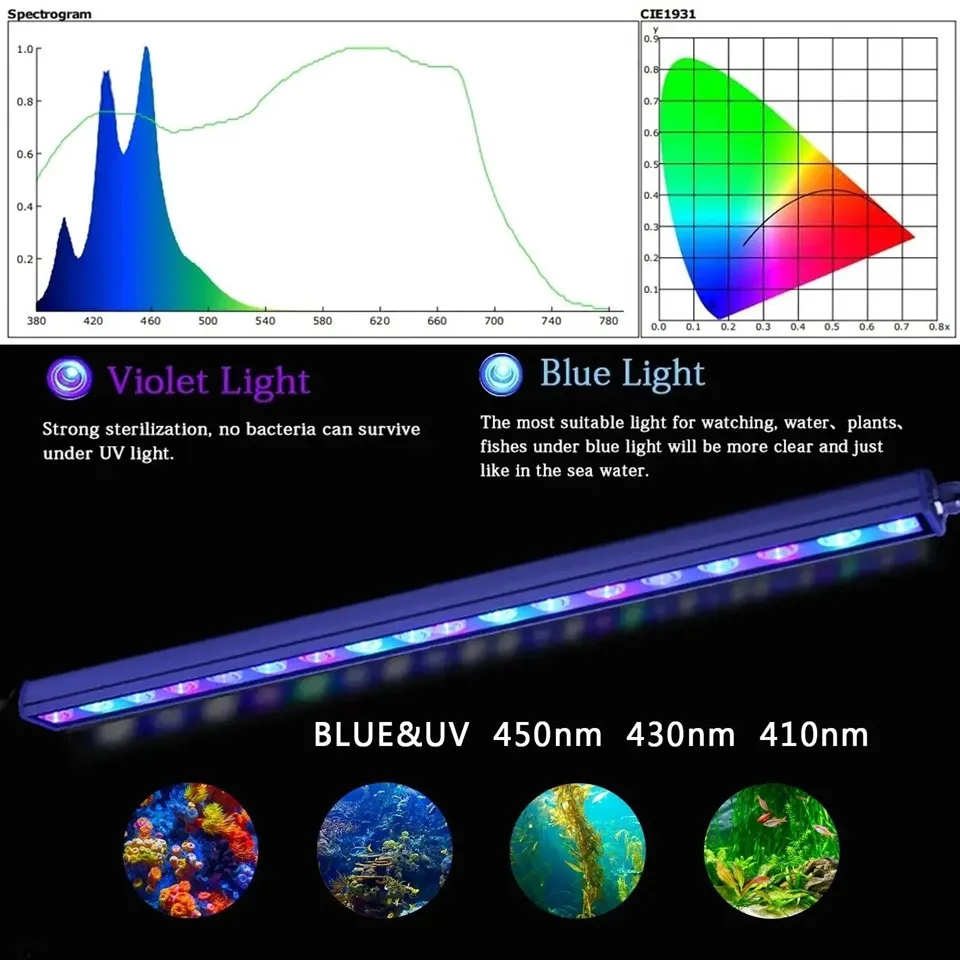
However, there are some downsides to placing the light inside the tank. The light is more likely to get wet, which can shorten its lifespan. You also need to make sure the light is waterproof and properly sealed to prevent any electrical hazards. If you're interested in this option, you might want to check out our Fish Tank Light Bar, which is designed to be placed inside the tank.
Side - Mounted
Side - mounted lighting can be a great way to add a unique look to your tank. It can create interesting shadows and highlights, which can make your tank look more dynamic. Side - mounted lights are also useful if you have a tank with a lot of vertical space. They can help to illuminate the sides of the tank and make it easier to see your fish and plants from different angles.
When using side - mounted lights, make sure they're evenly spaced along the sides of the tank. You don't want one side to be too bright and the other too dim. Also, be careful not to place the lights too close to the glass, as this can cause overheating and potentially damage the tank.
Factors to Consider
When deciding on the best way to position your fish tank light bulb, there are a few factors you need to consider.

Tank Size
The size of your tank plays a big role in determining the best lighting position. For a small tank, a single light bulb placed above the tank might be sufficient. But for a large tank, you might need multiple lights or a different positioning strategy. For example, if you have a long, rectangular tank, you might want to use side - mounted lights in addition to an overhead light to ensure even lighting.
Type of Fish and Plants
Different fish and plants have different lighting requirements. Some fish prefer dimmer lighting, while others need bright light. Similarly, some plants need a lot of light for photosynthesis, while others can thrive in lower light conditions. If you have a tank with a mix of fish and plants, you'll need to find a lighting position that meets the needs of all of them.
For example, if you have a lot of low - light plants like Java ferns, you can get away with a less intense light. But if you have high - light plants like carpeting plants, you'll need a more powerful light placed in a position that can reach them.

Aesthetic Preferences
Let's not forget about aesthetics. You want your tank to look good, right? The positioning of the light can have a big impact on the overall look of your tank. If you're going for a natural look, placing the light above the tank to mimic sunlight might be the way to go. But if you want to create a more dramatic or unique look, side - mounted or inside - the - tank lighting could be a better option.
Our Products
As a Fish Tank Light Bulb supplier, we offer a wide range of products to meet your needs. Our Full Spectrum Fish Tank Light is a great choice for those who want to provide the best possible lighting for their fish and plants. It provides a full spectrum of light, which is similar to natural sunlight and can help to promote healthy growth.
Our Fish Tank Light Bulbs are also energy - efficient and long - lasting, which means you'll save money on your electricity bill in the long run. And if you're looking for something different, our Fish Tank Light Bar is a great option for inside - the - tank lighting.
Conclusion
In conclusion, there's no one - size - fits - all answer to the question of the best way to position a fish tank light bulb. It depends on your tank size, the type of fish and plants you have, and your aesthetic preferences. Whether you choose to place the light above, inside, or on the side of the tank, make sure it provides the right amount of light for your underwater ecosystem.
If you're interested in learning more about our Fish Tank Light Bulbs or other lighting products, or if you're looking to make a purchase, we'd love to hear from you. Contact us to start a conversation about your specific needs and how we can help you create the perfect lighting for your fish tank.
References
- General knowledge from years of experience in the fish tank lighting industry.
- Research on fish and plant lighting requirements from aquarium - related publications.


