
Hey there, fellow plant enthusiasts! As a supplier of Ir Grow Light Bulb, I get a ton of questions about how to tell if your plants are getting the right amount of light from these bulbs. In this blog, I'll share some tips and tricks to help you figure out if your plants are getting too much or too little light from an IR grow light bulb.
Understanding IR Grow Light Bulbs
First off, let's talk a bit about what IR grow light bulbs are. Infrared (IR) light is a type of light that's not visible to the human eye, but it plays a crucial role in plant growth. IR light helps with things like photosynthesis, plant development, and even resistance to pests and diseases.
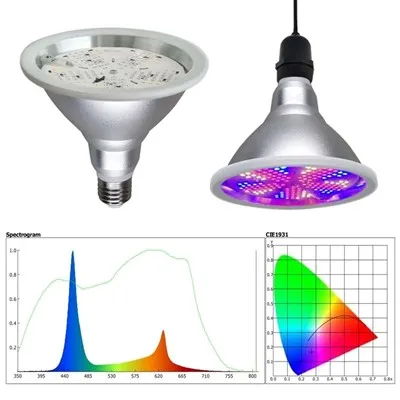
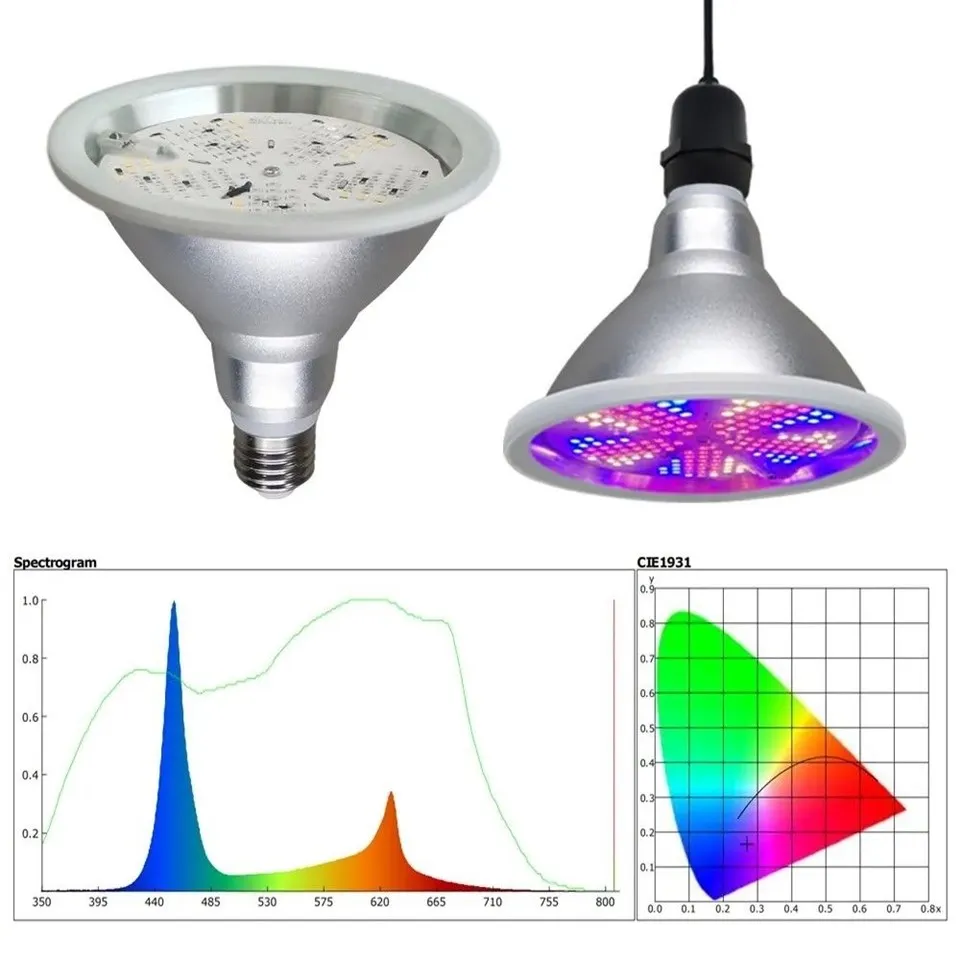
Our Ir Grow Light Bulb is designed to provide the right spectrum of light for your plants. It emits a combination of infrared and other wavelengths that mimic natural sunlight, giving your plants the energy they need to thrive.
Signs of Too Much Light
So, how do you know if your plants are getting too much light from an IR grow light bulb? Here are some telltale signs:
1.Leaf Burn: If you notice that the edges of your plant's leaves are turning brown or crispy, it could be a sign of light burn. This happens when the light intensity is too high, and the plant can't handle it.
2.Stunted Growth: Too much light can also cause stunted growth. If your plants seem to be growing slower than usual or aren't reaching their full potential, it could be because they're getting too much light.
3.Wilting: Another sign of too much light is wilting. If your plants are wilting even though the soil is moist, it could be because they're being exposed to too much light.
Signs of Too Little Light
On the flip side, if your plants aren't getting enough light, they'll also show some signs:
- Leggy Growth: If your plants are growing tall and spindly with long, thin stems, it's a sign that they're not getting enough light. They're stretching towards the light source in an attempt to get more.
- Yellowing Leaves: Yellowing leaves can also be a sign of too little light. When plants don't get enough light, they can't produce enough chlorophyll, which gives leaves their green color.
- Poor Flowering and Fruiting: If your plants aren't flowering or producing fruit as they should, it could be because they're not getting enough light. Light is essential for the production of flowers and fruit.
How to Adjust the Light
If you think your plants are getting too much or too little light, there are a few things you can do to adjust the situation:
- Move the Light: If your plants are getting too much light, you can move the light further away from them. Conversely, if they're not getting enough light, you can move the light closer.
- Use a Dimmer: Our Dimmable Grow Light Bulb allows you to adjust the light intensity. You can turn the light down if your plants are getting too much light, or turn it up if they're not getting enough.
- Change the Duration: You can also adjust the amount of time your plants are exposed to the light. Most plants need around 12-16 hours of light per day, but this can vary depending on the type of plant.
Using Full Spectrum LED Grow Light Bulbs
In addition to our IR grow light bulbs, we also offer Full Spectrum LED Grow Light Bulbs. These bulbs provide a full spectrum of light, including all the wavelengths that plants need for optimal growth.
Full spectrum LED grow light bulbs are a great option because they can mimic natural sunlight more closely than other types of grow lights. They can also be adjusted to provide different levels of light intensity and spectrum, depending on the needs of your plants.
Conclusion
Figuring out if your plants are getting the right amount of light from an IR grow light bulb can be a bit tricky, but by paying attention to the signs and making the necessary adjustments, you can ensure that your plants are healthy and thriving.
If you have any questions or need more information about our Ir Grow Light Bulb or other grow light products, don't hesitate to reach out. We're here to help you with all your plant lighting needs. Whether you're a hobbyist or a commercial grower, we have the products and expertise to support your growing success. Contact us to discuss your specific requirements and let's start a conversation about how our grow lights can benefit your plants.
References
- Smith, J. (2020). The Science of Plant Lighting. Gardening Today, 15(2), 45-52.
- Johnson, A. (2019). Understanding Infrared Light for Plant Growth. Journal of Horticulture, 22(3), 78-85.