
Hey there! As a supplier of LED grow light bars, I often get asked about the difference between a LED grow light bar and a regular LED light. Well, let's dive right in and break it down.
First off, let's talk about what regular LED lights are. You see these all around you every day. They're in your homes, offices, and streetlights. Regular LED lights are designed mainly for general illumination. Their goal is to light up a space so you can see clearly. They usually emit a white light that mimics natural daylight, which is great for human vision. The color temperature of regular LED lights is often in the range of 2700K - 6500K. A lower color temperature like 2700K gives off a warm, yellowish light, similar to incandescent bulbs, and is often used in living rooms or bedrooms for a cozy feel. A higher color temperature like 6500K provides a cool, bluish - white light, which is common in offices and workspaces to keep you alert.
On the other hand, LED grow light bars are a whole different ballgame. These are specifically engineered to support plant growth. Plants don't see light the same way we do. They use different wavelengths of light for photosynthesis, the process by which they convert light energy into chemical energy to grow, flower, and produce fruit.
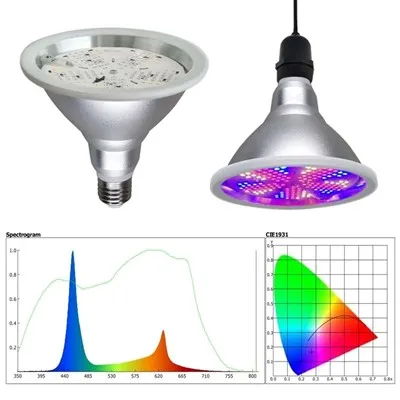
One of the key differences is the spectrum of light. LED grow light bars are designed to emit a specific spectrum of light that plants need. They typically focus on two main types of light: blue light and red light. Blue light is crucial during the vegetative stage of a plant's growth. It helps with leaf development, promoting strong, healthy foliage. Red light, on the other hand, is essential for the flowering and fruiting stages. It stimulates the production of flowers and fruits. Some advanced Plant Grow Light Bar can also include other wavelengths, such as far - red light, which can influence the plant's overall growth cycle and response to environmental cues.
Regular LED lights, however, don't have this tailored spectrum. Their white light contains a mix of wavelengths, but not necessarily in the proportions that plants need. So, while a regular LED light might provide some light for a plant, it won't be as effective in promoting healthy growth as a dedicated LED grow light bar.
Another difference is the intensity of light. Plants need a certain amount of light intensity to carry out photosynthesis effectively. LED grow light bars are designed to deliver a high - intensity light output. This is especially important for indoor gardening, where natural sunlight might be limited. The intensity of the light can be adjusted depending on the type of plant and its growth stage. For example, seedlings usually require less intense light, while mature plants might need a stronger light source.
Regular LED lights are not built with this in mind. Their intensity is typically designed for human visibility, not for plant growth. So, if you try to use a regular LED light to grow plants, the light might be too weak to support proper photosynthesis, and your plants could end up leggy and weak.
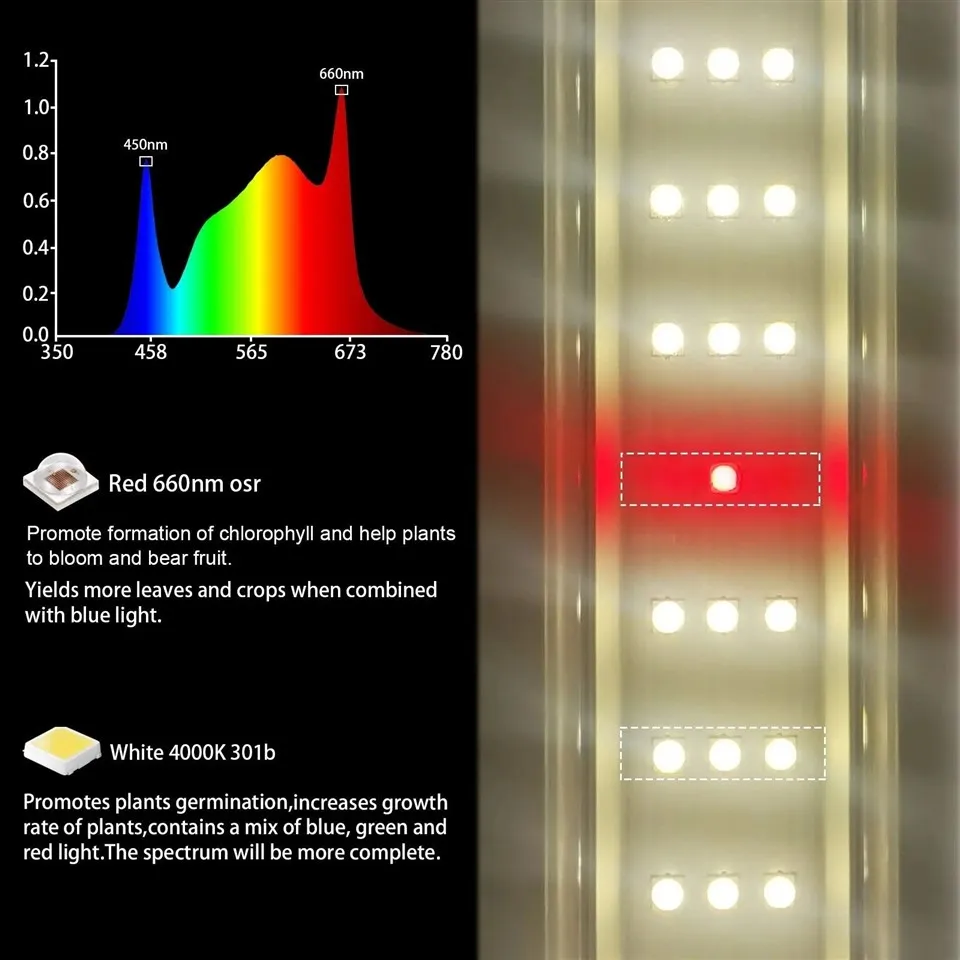

Let's also talk about the design. LED grow light bars are often designed to be more flexible and adjustable. They can be installed in various configurations, such as hanging above plants or being mounted on a wall. Some Single Bar LED Grow Light Bar are very slim and can be easily placed in tight spaces, making them ideal for small indoor gardens or vertical farming setups.
Regular LED lights, on the other hand, come in a wide range of shapes and sizes, but they're usually designed for a specific lighting application in a human - occupied space. For example, a ceiling - mounted LED light is designed to evenly illuminate a room, not to be adjusted for plant growth.
There are also some advanced features in LED grow light bars that you won't find in regular LED lights. For instance, some LED grow light bars, like the UV Ir Grow Light Bar, include ultraviolet (UV) and infrared (IR) light. UV light can help enhance the plant's natural defense mechanisms and improve the quality of the produce. IR light can also play a role in regulating the plant's temperature and growth processes.
Now, you might be wondering, why should I choose an LED grow light bar over a regular LED light for my plants? Well, if you're serious about growing healthy plants indoors, an LED grow light bar is the way to go. It provides the right spectrum, intensity, and flexibility to support your plants throughout their growth cycle. Whether you're growing herbs in your kitchen, starting seedlings for your garden, or running a small indoor farm, an LED grow light bar can make a huge difference in the success of your plants.
If you're interested in learning more about our LED grow light bars or are thinking about making a purchase, don't hesitate to reach out. We're here to help you find the perfect lighting solution for your plants. Whether you have questions about the right spectrum for your specific plants or need advice on installation, our team of experts is ready to assist.
In conclusion, the difference between a LED grow light bar and a regular LED light is significant. While regular LED lights are great for human - centric lighting needs, LED grow light bars are specifically designed to meet the unique requirements of plant growth. So, if you want to give your plants the best chance at thriving, consider investing in a high - quality LED grow light bar.
References
- Smith, J. (2020). The Science of Plant Lighting. Greenhouse Grower Magazine.
- Johnson, A. (2019). LED Lighting for Indoor Gardening. Home Gardening Journal.