


As a supplier of LED grow lights, I often get asked about various technical aspects of our products. One of the most crucial factors that growers, whether they are hobbyists or commercial farmers, need to understand is the light uniformity of LED grow lights. In this blog post, I'll delve into what light uniformity means, why it's important, how it's measured, and how our company's LED grow lights excel in this area.
What is Light Uniformity?
Light uniformity refers to the even distribution of light intensity across a given area. In the context of LED grow lights, it means that plants in different parts of the growing area receive a consistent amount of light. When light is evenly distributed, every plant gets an equal opportunity to photosynthesize, which is the process by which plants convert light energy into chemical energy to fuel their growth.
Imagine a grow room where the light is concentrated in one corner and gradually fades towards the other end. The plants in the well - lit corner will grow vigorously, while those in the dimmer areas may become leggy, have stunted growth, or produce lower yields. This uneven growth can be a significant problem for growers, especially those aiming for consistent quality and high yields.
Why is Light Uniformity Important?
1. Consistent Plant Growth
Uniform light distribution ensures that all plants in a growing area grow at a similar rate. This is particularly important for commercial growers who need to harvest their crops at the same time. When plants receive the same amount of light, they develop similar leaf structures, stem thickness, and overall health. For example, in a greenhouse growing tomatoes, if the light is not evenly distributed, some tomatoes may ripen earlier than others, making it difficult to manage the harvest and reducing the overall efficiency of the operation.
2. Optimal Photosynthesis
Photosynthesis is directly related to the amount of light a plant receives. When light is uniform, all parts of the plant canopy can photosynthesize efficiently. This leads to better nutrient uptake, stronger root development, and increased production of carbohydrates, which are essential for plant growth and fruit production. In contrast, uneven light can cause some parts of the plant to underperform, limiting the overall productivity of the plant.
3. Energy Efficiency
LED grow lights are designed to be energy - efficient, but if the light is not evenly distributed, growers may need to use more lights or increase the power of existing lights to ensure that all plants receive adequate light. This not only increases energy consumption but also raises electricity costs. By using LED grow lights with high light uniformity, growers can achieve the same or better results with less energy.
How is Light Uniformity Measured?
Light uniformity is typically measured as a ratio or a percentage. The most common way is to calculate the ratio of the minimum light intensity to the maximum light intensity in a given area. For example, if the maximum light intensity in a grow area is 1000 μmol/m²/s and the minimum light intensity is 800 μmol/m²/s, the light uniformity ratio is 800/1000 = 0.8 or 80%. A higher ratio indicates better light uniformity.
Another method is to use a light meter to measure the light intensity at multiple points in the growing area and then calculate the standard deviation. A lower standard deviation means that the light intensity values are closer to the average, indicating better uniformity.
Our Company's LED Grow Lights and Light Uniformity
At our company, we understand the importance of light uniformity for successful plant growth. That's why we have invested heavily in research and development to design LED grow lights that offer exceptional light distribution.
1. Advanced Optical Design
Our engineers use state - of - the - art optical design techniques to ensure that the light emitted from our LED grow lights is evenly spread across the growing area. We use specialized lenses and reflectors to control the direction and dispersion of light, minimizing hotspots and dark areas. This advanced optical design allows us to achieve light uniformity ratios of up to 90% or higher, depending on the model and installation height.
2. Quality Control
We have a rigorous quality control process in place to ensure that every LED grow light that leaves our factory meets our high standards of light uniformity. Each light is tested using professional light meters in our laboratory to measure the light intensity at multiple points. Only lights that pass our strict uniformity criteria are approved for sale.
3. Variety of Products
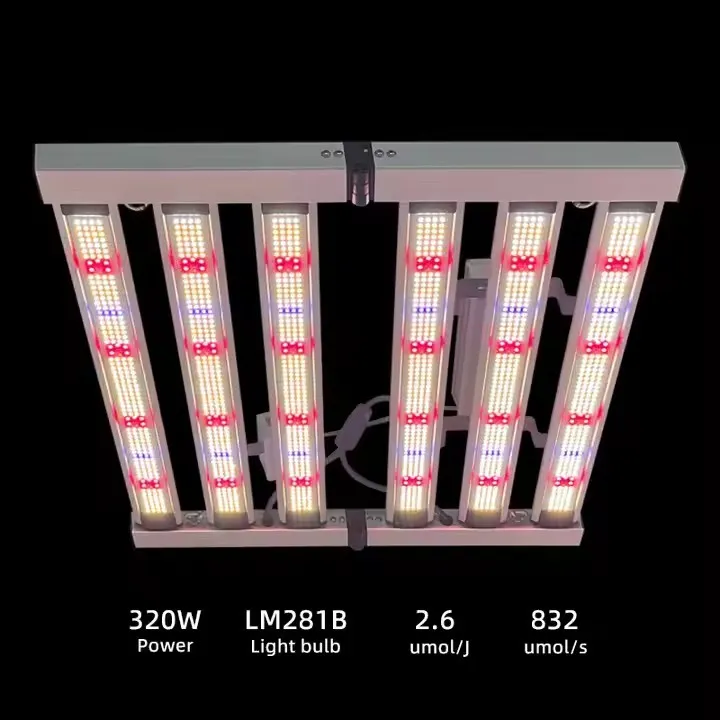
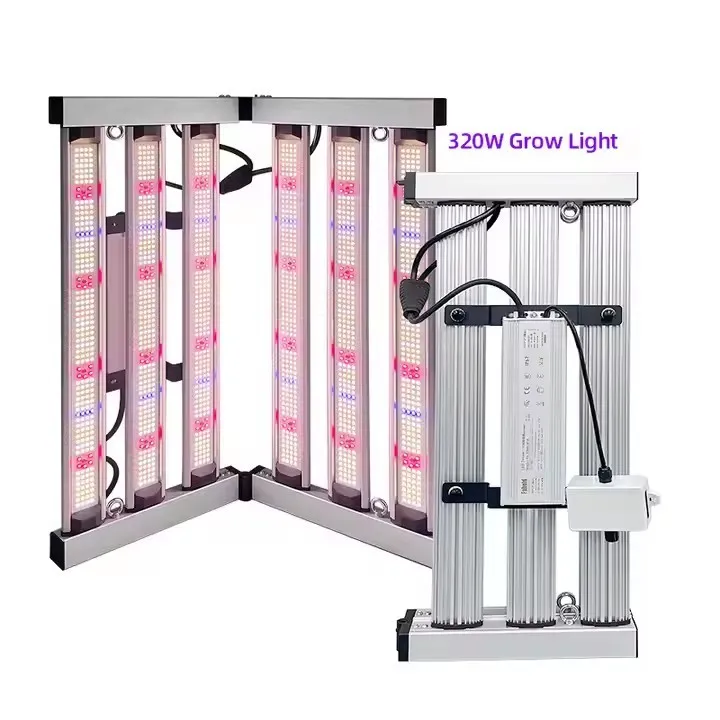
We offer a wide range of LED grow lights to meet the different needs of growers. Whether you are a small - scale hobbyist or a large - scale commercial farmer, we have a product that suits your requirements. For example, our Adjustable LED Grow Lights allow you to customize the light intensity and spectrum according to the growth stage of your plants. Our Foldable LED Grow Light is perfect for greenhouse growers who need a flexible and easy - to - install lighting solution. And our Best Dimmable LED Grow Lights give you precise control over the light output, ensuring optimal light uniformity in any growing environment.
Tips for Improving Light Uniformity in Your Grow Space
In addition to using high - quality LED grow lights, there are several other steps you can take to improve light uniformity in your grow space:
1. Proper Installation
Make sure to install your LED grow lights at the correct height and spacing. The recommended installation height depends on the power and type of the light, as well as the type of plants you are growing. Generally, the lights should be installed high enough to cover the entire growing area evenly but low enough to provide sufficient light intensity. The spacing between lights should also be adjusted to avoid creating dark areas between them.
2. Reflective Surfaces
Use reflective materials on the walls, ceiling, and floor of your grow space to bounce light back onto the plants. This can help to increase the overall light intensity and improve uniformity. Common reflective materials include Mylar, white paint, and aluminum foil.
3. Light Diffusion
Some LED grow lights come with built - in diffusers, which can help to spread the light more evenly. You can also use external diffusers, such as frosted plastic sheets, to further improve light distribution.
Conclusion
Light uniformity is a critical factor in the success of any indoor or greenhouse growing operation. By understanding what light uniformity is, why it's important, and how to measure it, growers can make informed decisions when choosing LED grow lights. Our company is committed to providing high - quality LED grow lights with excellent light uniformity, along with the support and advice you need to achieve the best results.
If you are interested in learning more about our LED grow lights or have any questions about light uniformity, we encourage you to contact us for a detailed discussion. We look forward to the opportunity to work with you and help you achieve your growing goals.
References
- Smith, J. (2020). The Science of Plant Lighting. Greenhouse Journal.
- Jones, A. (2019). Optimizing Light Distribution in Indoor Grow Rooms. Horticulture Today.
- Brown, C. (2021). LED Grow Lights: A Comprehensive Guide. Agricultural Technology Review.


