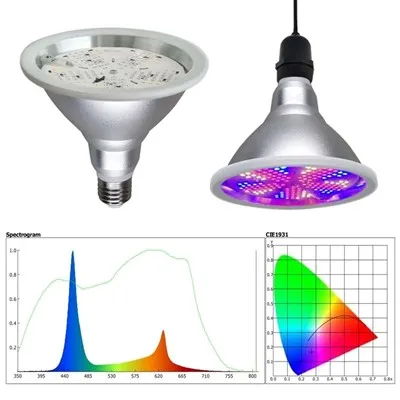

Yo, what's up! I'm a supplier of LED grow lights, and today I wanna chat about how these nifty lights affect plant protein synthesis. It's a super cool topic, and I'm stoked to share some insights with you.
First off, let's talk about what protein synthesis in plants is all about. Protein synthesis is like the plant's way of building its own machinery. It's crucial for plant growth, development, and function. Proteins are involved in everything from photosynthesis to defense against pests and diseases. Without proper protein synthesis, plants can't thrive.
Now, let's get into how LED grow lights come into play. LEDs have revolutionized indoor plant cultivation because they can be customized to emit specific wavelengths of light. Different wavelengths of light have different effects on plants, and this includes their impact on protein synthesis.
One of the key wavelengths that affects protein synthesis is blue light. Blue light is known to play a significant role in regulating plant growth and development. It helps in the synthesis of chlorophyll, which is essential for photosynthesis. When plants receive the right amount of blue light, they can produce more energy through photosynthesis. This extra energy is then used for various metabolic processes, including protein synthesis.
For example, in the early stages of plant growth, blue light can stimulate the production of enzymes that are involved in protein synthesis. These enzymes help in the assembly of amino acids into proteins. So, if you're using LED grow lights with a good amount of blue light, you're giving your plants a head start in building their protein machinery.
On the other hand, red light also has an important role in protein synthesis. Red light is absorbed by a pigment called phytochrome in plants. Phytochrome regulates many aspects of plant growth, including flowering, seed germination, and yes, protein synthesis. Red light can enhance the expression of genes that are involved in protein synthesis. It can also increase the activity of ribosomes, which are the cellular structures responsible for making proteins.
When you combine blue and red light, you get a powerful combination that can really boost plant protein synthesis. That's why many of our Adjustable LED Grow Lights are designed to provide a balanced spectrum of blue and red light. You can adjust the ratio of blue to red light depending on the specific needs of your plants at different stages of growth.
Another factor to consider is the intensity of the light. The intensity of LED grow lights can also affect protein synthesis. If the light is too dim, plants may not have enough energy to carry out protein synthesis efficiently. On the other hand, if the light is too intense, it can cause stress to the plants, which can also have a negative impact on protein synthesis.
Our Full Spectrum LED Grow Light Bulbs are designed to provide the right intensity of light for optimal plant growth. They mimic the natural sunlight spectrum, which means they can provide all the wavelengths of light that plants need for healthy growth and protein synthesis.
Now, let's talk about how different types of plants respond to LED grow lights in terms of protein synthesis. Some plants are more sensitive to light than others. For example, leafy greens like lettuce and spinach tend to respond well to blue light. Blue light can help these plants produce more chlorophyll, which in turn leads to increased photosynthesis and protein synthesis.
On the other hand, flowering plants like tomatoes and peppers may benefit more from a combination of blue and red light. Red light can promote flowering and fruit development, while blue light can help with overall plant growth and protein synthesis.
We also have T8 Grow Light Tubes that are great for different types of plants. These tubes are energy-efficient and can provide a consistent source of light for your plants. They're also easy to install, so you can set up your indoor garden quickly and easily.


In addition to the wavelengths and intensity of light, the duration of light exposure also matters. Plants need a certain amount of light and dark periods to carry out their normal physiological processes, including protein synthesis. Most plants need around 12 - 16 hours of light per day during the vegetative stage and 8 - 12 hours during the flowering stage.
Our LED grow lights can be programmed to provide the right duration of light exposure for your plants. You can set a timer so that the lights turn on and off at the appropriate times, just like the natural day-night cycle.
So, if you're looking to improve plant protein synthesis and grow healthy, vibrant plants, our LED grow lights are the way to go. Whether you're a hobbyist gardener or a commercial grower, we have the right products for you.
If you're interested in learning more about our LED grow lights or want to discuss your specific needs, don't hesitate to reach out. We're here to help you get the best results with your indoor plants. Just drop us a message, and we'll be happy to have a chat with you.
Let's grow some amazing plants together!
References
- Taiz, L., & Zeiger, E. (2010). Plant Physiology. Sinauer Associates.
- Hopkins, W. G., & Hüner, N. P. A. (2008). Introduction to Plant Physiology. John Wiley & Sons.