


When it comes to lighting solutions, par spot lights have long been a staple in various settings, from stage performances and event lighting to commercial and residential applications. As a par spot light supplier, I often receive inquiries about the minimum operating temperature for these versatile lighting fixtures. Understanding this crucial parameter is essential for ensuring optimal performance and longevity, especially in environments where temperature fluctuations can be significant.
The Basics of Par Spot Lights
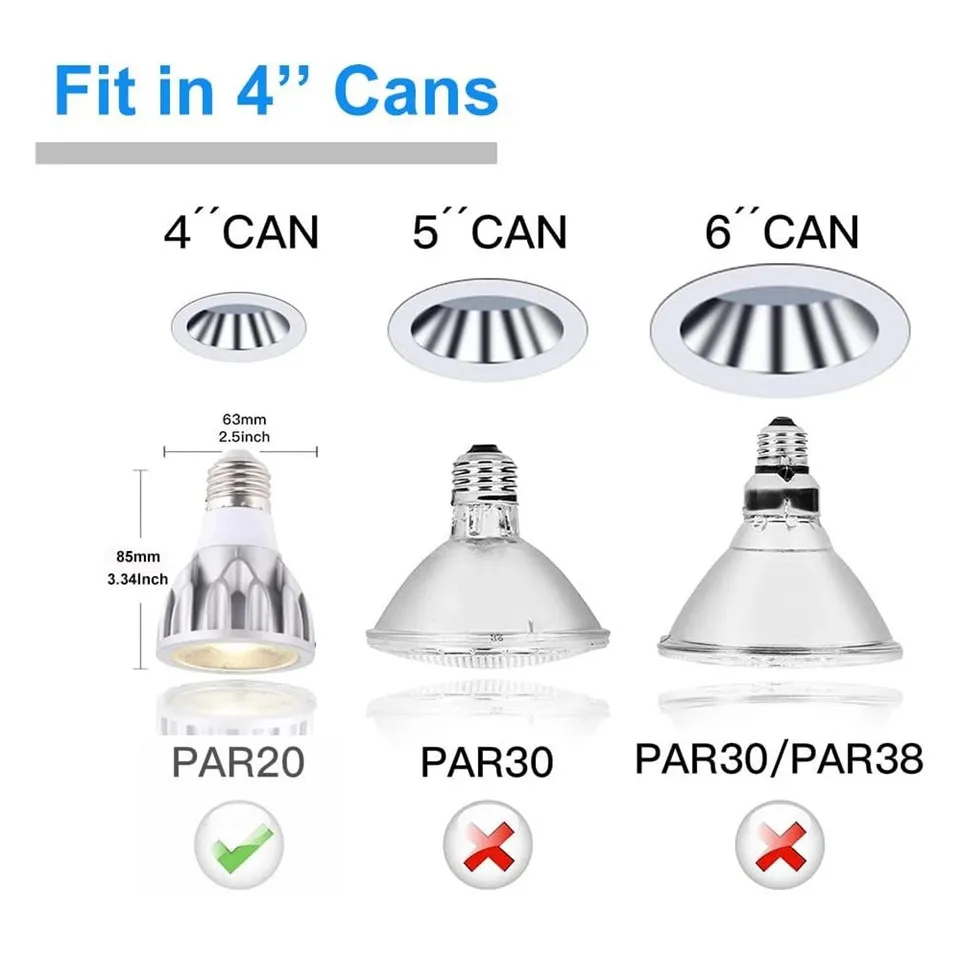
Before delving into the minimum operating temperature, let's briefly review what par spot lights are. PAR stands for "Parabolic Aluminized Reflector," which describes the shape and construction of the light fixture. These lights typically consist of a parabolic reflector that focuses the light beam, providing a concentrated and directional illumination. Par spot lights come in various sizes and wattages, with common types including Par20 Spotlight, Par30 LED Spotlight, and Par Spotlight.
Factors Affecting the Minimum Operating Temperature
The minimum operating temperature of a par spot light is influenced by several factors, including the type of bulb, the materials used in the fixture, and the design of the cooling system.
1.Bulb Type
Traditional incandescent par spot lights are less sensitive to low temperatures compared to their LED counterparts. Incandescent bulbs generate light by heating a filament, and they can generally operate in a wider temperature range. However, they are also less energy-efficient and have a shorter lifespan.
LED par spot lights, on the other hand, are more energy-efficient and have a longer lifespan, but they are more sensitive to temperature variations. At low temperatures, the performance of LED chips can be affected, leading to reduced light output and color shift. Additionally, the driver circuitry in LED par spot lights may also be affected by cold temperatures, potentially causing flickering or other issues.
2.Fixture Materials
The materials used in the construction of the par spot light fixture can also impact its minimum operating temperature. For example, fixtures made from plastic or other materials with poor thermal conductivity may be more prone to damage at low temperatures. Metal fixtures, on the other hand, can conduct heat more effectively and may be more resistant to cold temperatures.
3.Cooling System
The design of the cooling system in a par spot light is crucial for maintaining optimal operating temperatures. In high-power par spot lights, a well-designed cooling system is essential to prevent overheating. However, at low temperatures, the cooling system may not function as effectively, potentially leading to issues with the light output and performance.
Typical Minimum Operating Temperatures
The minimum operating temperature for par spot lights can vary depending on the specific product and manufacturer. In general, traditional incandescent par spot lights can operate at temperatures as low as -20°C (-4°F) or even lower. However, for optimal performance, it is recommended to keep the temperature above -10°C (14°F).
LED par spot lights typically have a higher minimum operating temperature compared to incandescent bulbs. Most LED par spot lights are designed to operate in a temperature range of 0°C (32°F) to 40°C (104°F). Some high-quality LED par spot lights may be able to operate at temperatures as low as -20°C (-4°F), but it is important to check the product specifications to ensure compatibility with the intended environment.
Impact of Low Temperatures on Par Spot Lights
Operating par spot lights at temperatures below their minimum recommended operating temperature can have several negative effects on their performance and longevity.
1.Reduced Light Output
At low temperatures, the light output of par spot lights, especially LED bulbs, can be significantly reduced. This is because the chemical reactions that generate light in LED chips are less efficient at low temperatures. As a result, the light may appear dimmer or less bright than normal.

2.Color Shift
In addition to reduced light output, low temperatures can also cause a color shift in LED par spot lights. The color temperature of the light may change, making it appear warmer or cooler than intended. This can be particularly noticeable in applications where color accuracy is important, such as in photography or stage lighting.
3.Component Damage
Extended exposure to low temperatures can also cause damage to the components of the par spot light, including the bulbs, drivers, and wiring. Cold temperatures can cause the materials to contract, which can lead to stress and cracking. Additionally, moisture can accumulate inside the fixture, which can cause corrosion and other damage.
Tips for Using Par Spot Lights in Cold Environments
If you need to use par spot lights in cold environments, there are several steps you can take to ensure optimal performance and longevity.
1.Choose the Right Product
When selecting par spot lights for cold environments, it is important to choose products that are specifically designed to operate at low temperatures. Look for products that have a low minimum operating temperature rating and are made from materials that are resistant to cold temperatures.
2.Provide Adequate Insulation
To protect the par spot lights from the cold, it is important to provide adequate insulation. This can include using insulated enclosures or mounting the lights in areas that are protected from the elements.
3.Allow Time for Warm-Up
Before using par spot lights in cold environments, it is important to allow them time to warm up. This can help to ensure that the bulbs reach their optimal operating temperature and provide maximum light output.
4.Monitor the Temperature
Regularly monitor the temperature of the environment where the par spot lights are installed. If the temperature drops below the minimum recommended operating temperature, take steps to protect the lights or adjust the lighting setup as needed.
Conclusion
As a par spot light supplier, I understand the importance of providing customers with high-quality products that meet their specific needs. By understanding the minimum operating temperature for par spot lights and taking the necessary steps to ensure optimal performance in cold environments, you can enjoy reliable and efficient lighting solutions for your applications.
If you have any questions about par spot lights or need assistance choosing the right product for your needs, please feel free to [Contact us for procurement discussion]. Our team of experts is always available to provide you with personalized advice and support.
References
- Lighting Research Center. (n.d.). Understanding LED Lighting. Retrieved from [URL]
- Philips Lighting. (n.d.). LED Lighting Guidelines. Retrieved from [URL]
- Osram Lighting. (n.d.). Technical Datasheets for Par Spot Lights. Retrieved from [URL]


