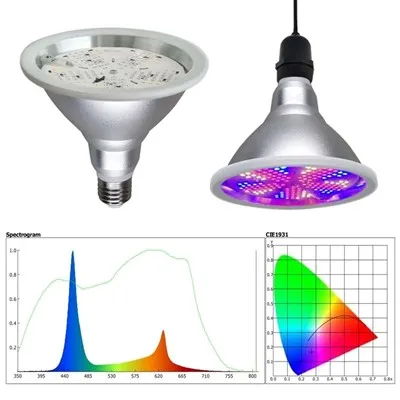

As a supplier of UV grow light bulbs, I've witnessed firsthand the growing interest in how these specialized lighting solutions can impact plant stress tolerance. In this blog post, I'll delve into the scientific aspects of this topic, exploring the effects of UV grow light bulbs on plants and how they can enhance a plant's ability to withstand various stressors.
Understanding Plant Stress Tolerance
Plants face a multitude of stressors in their environment, including drought, extreme temperatures, pests, diseases, and high light intensity. Stress tolerance refers to a plant's ability to adapt and survive under these adverse conditions. When plants are exposed to stress, they undergo physiological and biochemical changes to protect themselves. For example, they may produce antioxidants to counteract the damage caused by reactive oxygen species (ROS) generated during stress.


The Role of UV Light in Plant Physiology
UV light is a part of the electromagnetic spectrum that is divided into three categories: UV-A (320 - 400 nm), UV-B (280 - 320 nm), and UV-C (100 - 280 nm). While UV-C is mostly absorbed by the Earth's atmosphere and is not typically relevant in plant cultivation, both UV-A and UV-B can have significant effects on plant growth and development.
UV-A Light
UV-A light is the least harmful form of UV radiation and is often present in natural sunlight. It can penetrate deeper into plant tissues compared to UV-B. UV-A light plays a role in various plant processes, including phototropism (the bending of plants towards light), photomorphogenesis (the regulation of plant growth and development by light), and the activation of certain enzymes.
UV-B Light
UV-B light has a shorter wavelength and higher energy than UV-A. It can cause damage to plant cells by inducing the production of ROS, which can lead to oxidative stress. However, plants have evolved mechanisms to protect themselves from UV-B damage. When exposed to low levels of UV-B light, plants can activate defense responses, such as the synthesis of UV-absorbing compounds like flavonoids and phenolic acids. These compounds act as natural sunscreens, protecting the plant's DNA, proteins, and membranes from UV-B damage.
Effects of UV Grow Light Bulbs on Plant Stress Tolerance
Enhanced Antioxidant Production
One of the key ways UV grow light bulbs can improve plant stress tolerance is by stimulating the production of antioxidants. When plants are exposed to UV light, they increase the synthesis of antioxidant enzymes such as superoxide dismutase (SOD), catalase (CAT), and peroxidase (POD). These enzymes help to neutralize ROS, reducing oxidative stress and protecting the plant from damage.
For example, a study published in the journal "Plant Physiology" found that tomato plants exposed to UV-B light had higher levels of antioxidant enzymes compared to those grown under normal light conditions. The increased antioxidant activity helped the plants to better withstand drought stress and pathogen attacks.
Induction of Defense Genes
UV light can also activate the expression of defense genes in plants. These genes are responsible for producing proteins and secondary metabolites that play a role in plant defense. For instance, the production of pathogenesis-related (PR) proteins can help plants to resist diseases, while the synthesis of phytoalexins can inhibit the growth of pathogens.
Research has shown that exposure to UV light can upregulate the expression of genes involved in the synthesis of flavonoids and other secondary metabolites. These compounds not only protect the plant from UV damage but also enhance its resistance to pests and diseases.
Improved Drought Tolerance
UV grow light bulbs may also contribute to improved drought tolerance in plants. When plants are exposed to UV light, they can develop thicker cuticles, which are waxy layers on the surface of the leaves. The cuticle helps to reduce water loss through transpiration, making the plant more resistant to drought.
In addition, UV light can stimulate the production of abscisic acid (ABA), a plant hormone that plays a crucial role in regulating water balance. ABA causes the stomata (tiny pores on the leaves) to close, reducing water loss and helping the plant to conserve water during drought conditions.
Choosing the Right UV Grow Light Bulbs
When selecting UV grow light bulbs for your plants, it's important to consider several factors, including the type of plants you're growing, the stage of growth, and the intensity and duration of UV exposure. Different plants have different sensitivities to UV light, so it's essential to choose a light source that provides the appropriate spectrum and intensity.
At our company, we offer a range of high-quality UV grow light bulbs, including Dimmable Grow Light Bulb, E27 Grow Light Bulb, and Indoor Grow Light Bulb. Our dimmable grow light bulbs allow you to adjust the intensity of the light according to the specific needs of your plants, providing optimal conditions for growth and stress tolerance.
Conclusion
In conclusion, UV grow light bulbs can have a significant impact on plant stress tolerance. By stimulating antioxidant production, inducing defense genes, and improving drought tolerance, these specialized lighting solutions can help plants to better withstand various environmental stressors. As a supplier of UV grow light bulbs, we're committed to providing our customers with high-quality products that meet their specific needs and help them achieve successful plant cultivation.
If you're interested in learning more about our UV grow light bulbs or would like to discuss your specific requirements, please don't hesitate to contact us. We're here to assist you in finding the best lighting solutions for your plants.
References
- Jenkins, G. I. (2009). UV-B perception: a new photoreceptor comes to light. Trends in Plant Science, 14(6), 275-281.
- Hideg, E., Jansen, M. A. K., & Strid, Å. (2013). Ultraviolet radiation and plants: balancing damage and protection. Photochemistry and Photobiology, 89(3), 503-512.
- Li, X. Y., & Yang, X. E. (2007). Effects of UV-B radiation on antioxidant systems and DNA damage in plants. Journal of Plant Growth Regulation, 26(1), 1-10.