


Hey there! As a supplier of quantum boards, I often get asked about the humidity tolerance of these nifty devices. So, let's dive right in and talk about what quantum boards can handle when it comes to humidity.
First off, for those who might not know, quantum boards are a type of grow light that use LED technology. They're super popular among indoor growers because they offer a great balance of light intensity, energy efficiency, and cost - effectiveness. Whether you're growing herbs, vegetables, or even some exotic plants, a Quantum Board Grow Light can be a game - changer.
Now, humidity is a big deal in indoor growing environments. It can affect everything from plant growth to the lifespan of your equipment. When it comes to quantum boards, they are designed to operate within a certain humidity range. Generally speaking, most quantum boards can tolerate a relative humidity (RH) level between 40% and 60%. This range is considered ideal for both the health of the plants and the proper functioning of the quantum board.
At the lower end of the spectrum, around 40% RH, the air is relatively dry. In this environment, the risk of static electricity build - up increases. Static electricity can be a real pain for electronic devices like quantum boards. It can cause damage to the sensitive components inside the board, leading to malfunctions or even complete failure. On top of that, low humidity can also cause the plants to lose moisture too quickly, which can stunt their growth.
On the other hand, when the humidity goes above 60%, things start to get a bit dicey. High humidity can lead to condensation forming on the quantum board. Condensation is basically water droplets that form when warm, moist air comes into contact with a cold surface, like the metal or plastic parts of the board. If this happens, it can short - circuit the electrical components, causing the board to stop working. Moreover, high humidity creates a breeding ground for mold and mildew. These fungi can not only damage the plants but also corrode the quantum board over time.
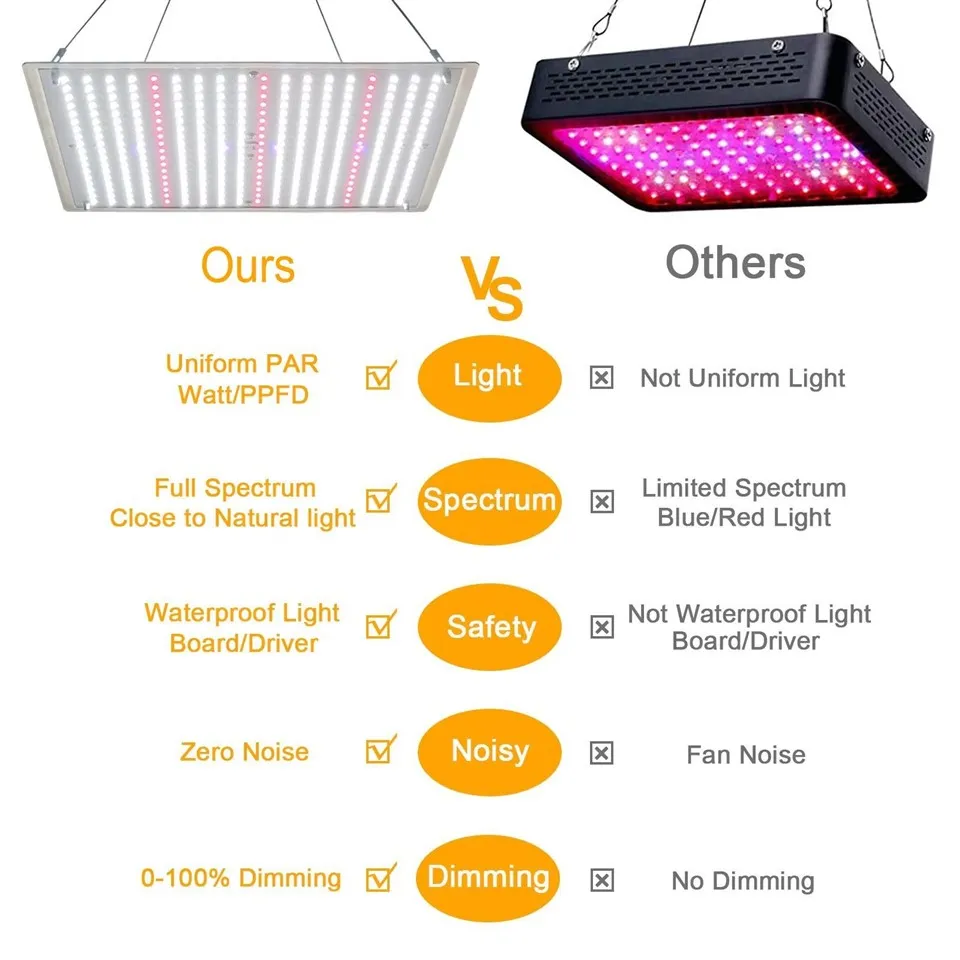
But here's the thing, the humidity tolerance of a quantum board isn't set in stone. Some of our more advanced models, like the Mini Quantum Board, are designed to handle slightly higher humidity levels. We've used special coatings and materials that are more resistant to moisture, which means they can operate safely in environments with up to 70% RH. However, even with these enhanced models, it's still not a good idea to push the limits for extended periods.
If you're planning to use a quantum board in a high - humidity area, there are a few things you can do to protect it. First, make sure you have proper ventilation in your growing space. Good air circulation helps to keep the humidity levels in check and prevents condensation from forming. You can use fans or an air exchanger to move the air around.
Second, consider using a dehumidifier. A dehumidifier is a device that removes moisture from the air. By keeping the humidity at an optimal level, you can ensure that your quantum board and your plants stay healthy.
Another important factor to consider is the temperature in your growing environment. Temperature and humidity are closely related. As the temperature rises, the air can hold more moisture. So, if you're running your quantum board in a warm room, the relative humidity might seem lower than it actually is. It's a good idea to use a hygrometer, which is a device that measures both temperature and humidity. This way, you can get an accurate reading and make adjustments as needed.
Our LEDs Indoor Quantum Board is also built with durability in mind. We've conducted extensive testing to make sure that it can withstand the rigors of indoor growing. But remember, no matter how well - built a quantum board is, proper care and maintenance are key to ensuring its long - term performance.
In summary, while most quantum boards can handle a relative humidity of 40% - 60%, some of our models can go up to 70%. But it's always better to stay within the recommended range to avoid any potential problems. By controlling the humidity, providing proper ventilation, and using the right tools, you can get the most out of your quantum board and your indoor garden.
If you're interested in learning more about our quantum boards or have any questions about humidity tolerance, don't hesitate to reach out. We're here to help you make the best choice for your indoor growing needs. Whether you're a beginner or a seasoned pro, we've got the products and the expertise to support you. So, let's start a conversation and see how we can work together to take your indoor garden to the next level.

References
- General knowledge of indoor growing and electronic device humidity tolerance
- In - house research and development data on quantum board performance under different humidity conditions


