
Can I use multiple LED grow lights together?
As a supplier of LED grow lights, I often get asked whether it's possible and beneficial to use multiple LED grow lights together. The short answer is yes, you can, and in many cases, it can be a great strategy for optimizing plant growth. In this blog, I'll explore the reasons, considerations, and best practices for using multiple LED grow lights in your growing setup.
Why Use Multiple LED Grow Lights?
One of the primary reasons to use multiple LED grow lights is to achieve uniform light distribution. No single grow light can cover a large area evenly. When you have a large growing space, a single light might leave some areas with insufficient light, leading to uneven growth. By using multiple lights, you can ensure that every plant in your grow room or greenhouse receives an adequate amount of light.
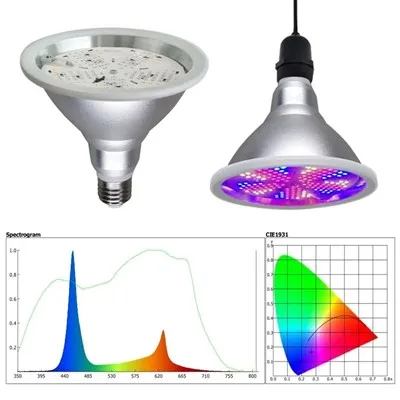
Another advantage is the ability to customize the light spectrum. Different plants have different light requirements at various stages of their growth. Some plants need more blue light during the vegetative stage, while others require more red light during flowering. By using multiple lights with different spectra, you can create a more tailored lighting environment for your plants.
Using multiple LED grow lights also provides redundancy. If one light fails, the others can still provide some level of illumination, preventing a complete loss of light for your plants. This can be especially important for long - term growth cycles.
Considerations When Using Multiple LED Grow Lights
Before you start using multiple LED grow lights, there are several factors you need to consider.
Light Intensity: When you add more lights, the overall light intensity increases. You need to be careful not to over - light your plants, as this can cause stress, leaf burn, and other issues. Make sure to measure the light intensity at different points in your growing area using a light meter. The ideal light intensity varies depending on the type of plant. For example, leafy greens generally require lower light intensity compared to fruiting plants.
Spectrum Compatibility: As mentioned earlier, different lights may have different spectra. You need to ensure that the spectra of the multiple lights you use are complementary. For instance, if one light has a high proportion of blue light and another has a high proportion of red light, they can work well together to meet the full - spectrum needs of your plants.
Heat Generation: LED grow lights do generate heat, and using multiple lights can increase the overall heat in your growing area. Excessive heat can be harmful to plants. You need to have proper ventilation and cooling systems in place to maintain a suitable temperature. Consider the heat output of each light and how they will interact in your specific setup.
Spacing: The spacing between the lights is crucial. If the lights are too close together, they may create hotspots with excessive light intensity. On the other hand, if they are too far apart, there will be areas with insufficient light. A general rule of thumb is to space the lights evenly across the growing area, and you may need to adjust the spacing based on the size and power of the lights.
Best Practices for Using Multiple LED Grow Lights
Here are some best practices to follow when using multiple LED grow lights:
Start with a Plan: Before purchasing multiple lights, plan your growing area layout. Consider the size of the space, the type of plants you will be growing, and the desired light intensity and spectrum. This will help you determine the number, type, and placement of the lights.
Use Lights with Adjustable Features: Adjustable LED Grow Lights are a great option when using multiple lights. You can adjust the height, angle, and intensity of each light to fine - tune the lighting environment. This allows you to adapt to the changing needs of your plants as they grow.
Group Lights Strategically: Group lights based on their spectrum and intensity. For example, you can group lights with similar spectra together to create zones with specific lighting conditions. This can be useful if you are growing different types of plants in the same area.
Monitor and Adjust: Regularly monitor the growth of your plants and the conditions in your growing area. Use a light meter to measure the light intensity and a thermometer to monitor the temperature. Based on your observations, make adjustments to the lights as needed.
Types of LED Grow Lights for Multiple - Light Setups
There are different types of LED grow lights that can be used effectively in multiple - light setups.
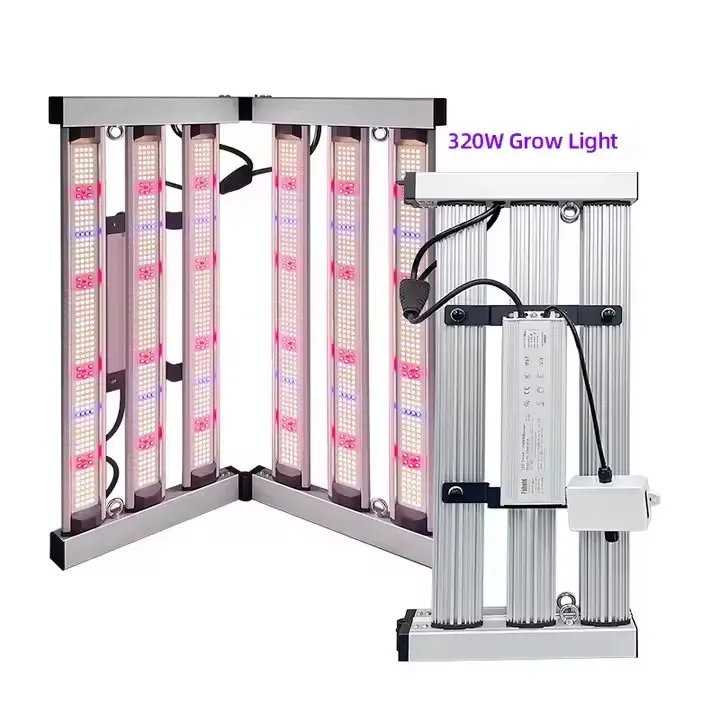
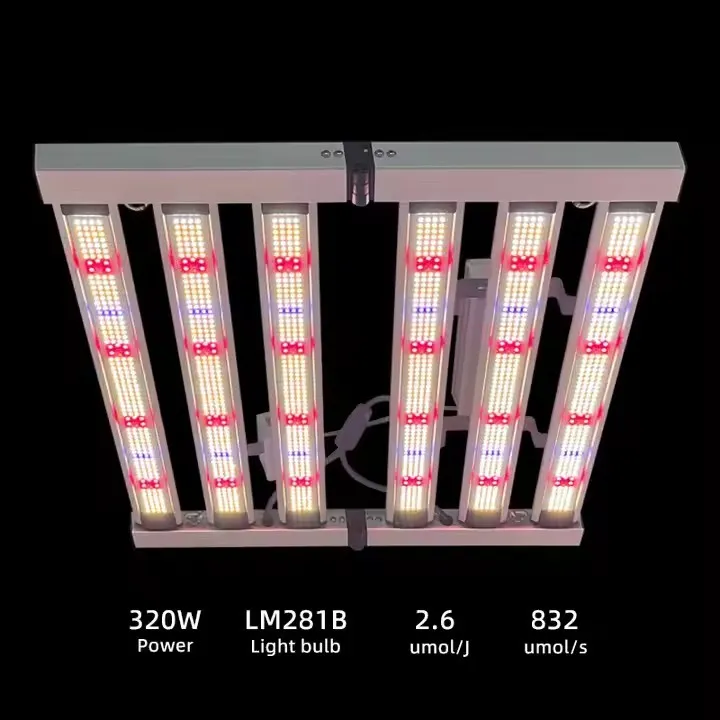
Foldable LED Grow Lights: Foldable LED Grow Light are very versatile. They can be easily adjusted and re - positioned in your growing area. You can fold them up when not in use, which is convenient for storage. These lights are also great for small to medium - sized growing spaces where you may need to change the layout frequently.
Dimmable LED Grow Lights: Best Dimmable LED Grow Lights allow you to control the light intensity. This is especially useful when using multiple lights, as you can adjust the intensity of each light to create a more balanced lighting environment. You can increase or decrease the intensity based on the stage of plant growth and the specific requirements of your plants.
Conclusion
Using multiple LED grow lights together is not only possible but can also offer many benefits for your plants. By carefully considering factors such as light intensity, spectrum compatibility, heat generation, and spacing, and following best practices, you can create an optimal lighting environment for your plants. Whether you are a hobbyist grower or a commercial grower, the right combination of multiple LED grow lights can significantly improve the health and yield of your plants.
If you are interested in learning more about our LED grow lights or are looking to purchase multiple lights for your growing setup, we would love to have a discussion with you. Our team of experts can help you choose the right lights and provide guidance on how to use them effectively. Contact us to start a procurement discussion and take your plant growth to the next level.
References
- "LED Lighting for Horticulture: A Guide to Understanding and Using LED Grow Lights" by a leading horticultural lighting research group.
- "Plant Physiology and the Effects of Light" from a well - known botany textbook.
- Industry reports on the latest trends in LED grow light technology.