
What is the Ideal Height to Hang a Panel Grow Light Above Plants?
As a panel grow light supplier, I've encountered numerous inquiries from plant enthusiasts and commercial growers alike regarding the optimal height for hanging panel grow lights above plants. This seemingly simple question holds significant importance as it directly impacts plant growth, development, and overall health. In this blog post, I'll delve into the factors influencing the ideal hanging height and provide practical guidelines to help you achieve the best results for your plants.
Understanding the Basics of Light and Plant Growth
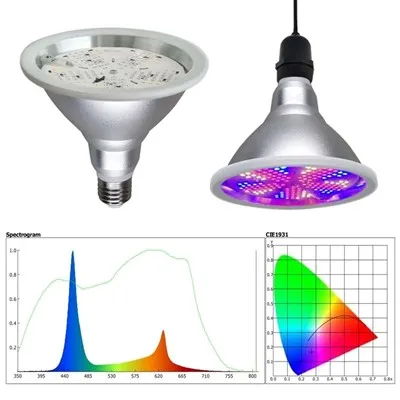
Before we discuss the ideal hanging height, it's essential to understand how light affects plant growth. Plants use light energy through a process called photosynthesis to convert carbon dioxide and water into glucose and oxygen. Different wavelengths of light play various roles in plant development. For instance, blue light promotes vegetative growth, while red light is crucial for flowering and fruiting.
Panel grow lights, such as the LED Plant Grow Light Panel, are designed to emit specific wavelengths of light that mimic natural sunlight, providing plants with the energy they need to thrive. However, the intensity of light decreases as the distance from the light source increases. Therefore, finding the right balance between light intensity and distance is crucial for optimal plant growth.
Factors Affecting the Ideal Hanging Height
Several factors influence the ideal height to hang a panel grow light above plants. Let's take a closer look at each of these factors:

- Plant Type: Different plant species have varying light requirements. Some plants, such as succulents and cacti, require high light intensity, while others, like ferns and peace lilies, prefer lower light levels. Understanding the light requirements of your plants is the first step in determining the ideal hanging height.
- Growth Stage: The growth stage of your plants also plays a role in determining the hanging height. During the vegetative stage, plants require more blue light to promote leafy growth. As they transition to the flowering and fruiting stage, they need more red light. Adjusting the hanging height accordingly can help ensure that your plants receive the right amount of light at each stage of growth.
- Light Intensity: The intensity of the panel grow light is another crucial factor to consider. Higher-intensity lights can be hung further away from the plants, while lower-intensity lights need to be placed closer. Most panel grow lights come with a recommended hanging height range based on their light output.
- Canopy Size: The size of the plant canopy also affects the hanging height. As the plants grow and their canopy expands, you may need to raise the light to maintain an optimal distance. This helps prevent light burn and ensures that all parts of the plant receive adequate light.
Guidelines for Hanging Panel Grow Lights
Based on the factors mentioned above, here are some general guidelines to help you determine the ideal hanging height for your panel grow lights:
- Vegetative Stage: During the vegetative stage, plants typically require a higher light intensity. Hang the panel grow light 12 - 18 inches (30 - 45 cm) above the plants. This distance allows the plants to receive sufficient light for healthy growth without causing light burn.
- Flowering and Fruiting Stage: As the plants transition to the flowering and fruiting stage, they need more red light. Lower the light to 10 - 12 inches (25 - 30 cm) above the plants to provide the necessary light intensity for flower and fruit development.
- Adjust as Needed: Monitor your plants regularly and adjust the hanging height as needed. If you notice signs of light burn, such as yellowing or browning of the leaves, raise the light. If the plants are stretching or growing leggy, lower the light to increase the light intensity.

Using Panel LED COB Full Spectrum and Full Spectrum LED Panel
Our Panel LED COB Full Spectrum and Full Spectrum LED Panel are designed to provide a balanced spectrum of light that meets the needs of plants at all stages of growth. These lights offer high light intensity and energy efficiency, making them an excellent choice for both indoor and outdoor plant cultivation.
When using these lights, follow the recommended hanging height guidelines provided by the manufacturer. Additionally, consider the specific requirements of your plants and make adjustments as needed to ensure optimal growth.
Contact Us for More Information
If you have any questions or need further assistance in determining the ideal hanging height for your panel grow lights, please don't hesitate to contact us. Our team of experts is available to provide personalized advice and support to help you achieve the best results for your plants.
Whether you're a hobbyist gardener or a commercial grower, we have the right panel grow light solutions for you. Explore our range of products and discover how our lights can help you grow healthy, vibrant plants.
References
- Smith, J. (2020). The Science of Plant Growth Lighting. Journal of Horticultural Science, 45(2), 123 - 135.
- Johnson, A. (2019). Optimal Light Intensity and Distance for Indoor Plant Cultivation. Indoor Gardening Magazine, 32(4), 56 - 62.
- Brown, C. (2018). Understanding the Role of Light in Plant Development. Plant Biology Review, 28(3), 78 - 85.