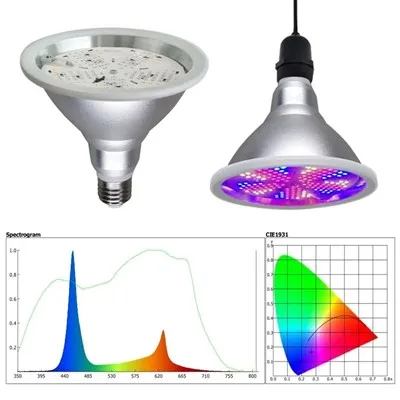

If you've ever dabbled in indoor gardening or are scaling up your small farm, you've probably wondered: are there actual rules for using IR grow light bulbs? As a supplier who's worked with hydroponic hobbyists, vertical farm owners, and home growers for years, I get this question all the time-especially since IR lights are such a workhorse for boosting plant growth, flowering, and even stress resilience. It's not just about grabbing the first IR bulb you see; regulations do matter here, and they're tied to safety, energy efficiency, and even plant science best practices.
First, let's break down what IR grow lights do, because understanding the tech helps make sense of the rules. IR (infrared) light is invisible to the human eye, but plants soak it up to power processes like photosynthesis and flowering. Unlike regular indoor grow lights, IR is often added to full-spectrum LED setups to mimic natural sunlight's longer wavelengths, which help plants develop stronger stems and bigger yields. That's why you'll see us list IR grow light bulbs alongside other options like UV grow light bulbs and dimmable grow light bulbs on our site-each has a specific role, and rules apply to all of them.
Now, the big question: do regulations actually govern IR grow light use? The short answer is yes, but they vary depending on where you're located, the type of space you're using them in, and even the wattage of the bulbs. Let's start with the most common global standards, because that's what most of our customers ask about. In the U.S., for example, the Department of Energy (DOE) has rules for LED grow lights, including IR models, to cut down on wasted energy. Back in 2021, the DOE rolled out efficiency standards that require LED grow bulbs-including Ir Grow Light Bulb variants-to convert at least 28% of their energy into light, instead of just heat. That means no more buying IR bulbs that burn through electricity without helping your plants, and we make sure every bulb we sell meets that threshold.

Then there's the FAA angle, which some growers forget. If you're running a large-scale indoor farm in a warehouse or a commercial space, your IR grow lights emit a small amount of light that can be picked up by aircraft navigation systems. The Federal Aviation Administration (FAA) has guidelines for exterior lighting that's visible from the sky, and even IR light can fall under that if it's too intense. For most home growers, this isn't a big deal-your attic grow is probably too small to trigger a warning-but if you're setting up a commercial operation, you might need to install light baffles or use IR bulbs with diffusers to cut down on glare. We've helped a few vertical farm clients adjust their setups to follow these FAA rules, so it's not as complicated as it sounds.
Other countries have their own regulations, too. In the EU, for example, the ErP (Energy-related Products) directive applies to all grow lights, including IR. ErP requires products to meet specific energy efficiency levels and be labeled clearly with their power use and light output. That's why you'll see every one of our Ir Grow Light Bulb listings have a full energy label-no vague "high-efficiency" claims here. Canada follows similar rules via Natural Resources Canada (NRCan), and many Asian markets (like Japan and South Korea) have their own safety certifications for electrical products, which our bulbs pass before they ship.
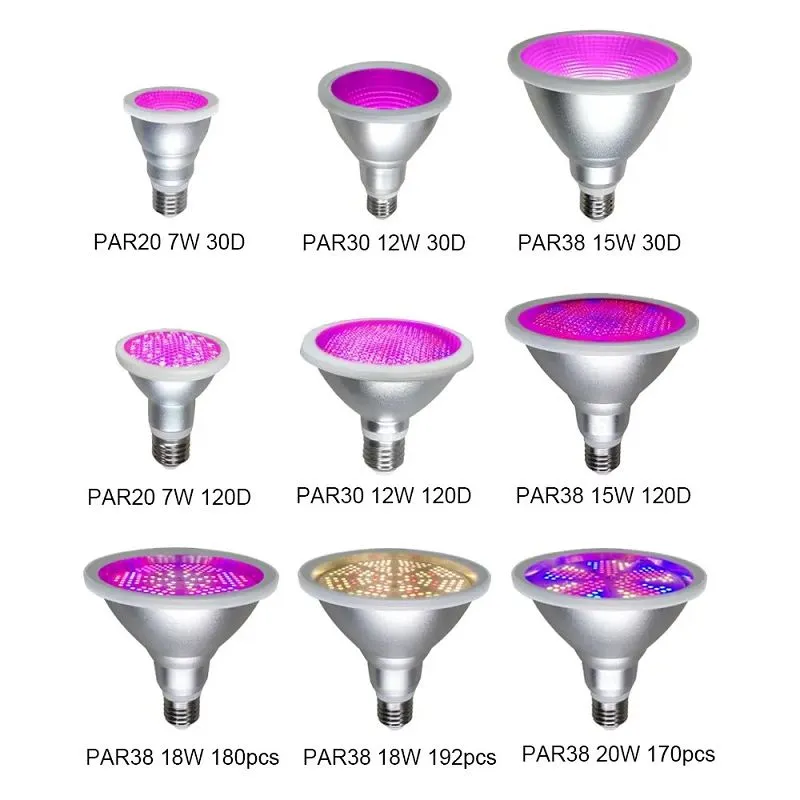
Wait, but what about rules for how you use IR lights, not just the bulbs themselves? That's another part of the puzzle. There are no strict laws that say "you must run your IR lights for exactly 12 hours a day," but there are science-backed guidelines that are often framed as best practices, and some local building codes might touch on this. For example, if you're growing in a residential area, some homeowners' associations (HOAs) have rules about outdoor or indoor lights that create excessive light pollution. IR light is invisible, but if your setup is poorly ventilated or your bulbs are too close to walls, the heat can seep into adjacent spaces-some HOAs might call that a nuisance. That's why we always recommend pairing your IR grow lights with a proper ventilation system, which also helps extend the life of the bulbs.
Also, if you're growing food crops (like tomatoes, herbs, or leafy greens), there are no federal regulations in the U.S. that ban IR light for edible plants. A lot of growers worry that IR light makes produce less safe, but studies have shown that it actually enhances nutrient content in crops. That said, if you're selling your produce commercially, you'll need to follow FDA food safety rules, which focus on sanitation and growing conditions-not the type of light you use. So if you're a home grower or a small-scale farmer, IR light is totally fine for food, no extra hoops to jump through.
Now, let's talk about common mistakes we see growers make when navigating these rules. One big one is buying IR bulbs that aren't certified, just because they're cheaper. Some no-name brands sell IR bulbs that don't meet the DOE's efficiency standards, which means they're not just wasting electricity-they might also generate more heat than allowed by local electrical codes. That heat can be a fire hazard if the bulbs are installed too close to drywall or flammable materials. We only sell Ir Grow Light Bulb models that are UL-listed (in the U.S.) and CE-marked (in the EU), so you don't have to stress about fire risks or non-compliance.
Another mistake is mixing up IR lights with other grow light types, which can lead to rule mix-ups. For example, UV grow light bulbs have their own rules, like limits on how much UV-B light you can use for edible crops (since too much can affect nutrient levels). Full spectrum LED grow light bulbs, which often include IR and UV, have to balance all those wavelengths to meet efficiency standards. If you're building a setup with multiple types, it's easy to miss a rule-just reach out to our team, and we can help you sort out which bulbs will work for your space and avoid any regulatory issues.
Let's also touch on light pollution, which is a growing concern for both residential and commercial growers. Many cities around the world have adopted "dark sky" regulations to reduce light pollution, especially in areas near national parks or residential neighborhoods. IR light is less visible than white light, but if your grow space is in a dark sky area, you might need to install light filters to block even IR light from escaping. That's a small adjustment, but it's something to keep in mind if you're setting up a grow in a sensitive area. We stock simple, affordable filters that work with all our grow bulbs, so it's easy to stay compliant.
Wait, what about rules for grow lights in general, regardless of type? Most electrical codes require that grow bulbs (including IR ones) are installed correctly-no daisy-chaining too many bulbs on one circuit, which can cause overheating, and using the right fixture for the bulb wattage. For example, a 100W IR bulb needs a fixture rated for at least 150W, to prevent wiring issues. This isn't a separate rule for IR lights, but it's a key part of compliance, and we include installation guides with every bulb we sell to help you get it right.

Let's circle back to why this matters for you as a grower. Following regulations isn't just about avoiding fines-it's about making your grow space safe, efficient, and productive. If you're a home grower, complying with HOA rules or local electrical codes keeps your setup safe for you and your neighbors. If you're a commercial grower, meeting DOE and FAA standards keeps your operation running smoothly, no unexpected shutdowns or inspections. And at the end of the day, using certified IR grow lights (and other bulbs like dimmable grow light bulbs) ensures you're getting the most out of your setup without wasting money on unnecessary energy.
If you're still unsure about what rules apply to your specific grow space, don't overcomplicate it. Our team has helped hundreds of growers-from first-timers with a closet setup to large farms with acres of vertical gardens-navigate these regulations. Whether you need help choosing the right Ir Grow Light Bulb, understanding local efficiency standards, or setting up your lights to avoid light pollution, we're here to help.
Whether you're a hobbyist looking to grow basil on your kitchen counter or a farm owner scaling up to supply local grocery stores, we've got the bulbs you need-all certified, compliant, and designed to help your plants thrive. Ready to talk through your setup and make sure you're following all the rules? Reach out to our team to discuss your specific needs.
References
- U.S. Department of Energy. (2021). Energy Efficiency Standards for LED Grow Lights.
- Federal Aviation Administration. (2022). Guidelines for Exterior Lighting in Commercial Agriculture.
- European Commission. (2023). ErP Directive for Light Products.
- Natural Resources Canada. (2022). LED Grow Light Efficiency Requirements.
- International Dark-Sky Association. (2021). Light Pollution Guidelines for Indoor Grow Operations.
- Underwriters Laboratories. (2023). Safety Standards for LED Grow Bulbs.