
Hey guys, if you've been around the indoor growing or greenhouse scene for even a minute, you know the right lights make all the difference. I'm not here to sell you something out of the blue- I'm part of a company that makes under canopy LED grow lights, and lately, I've been getting a ton of questions about how these lights actually mess with plant hormone production. Like, do they just make plants grow taller? Or is there way more going on under the surface? Let's break this down, no super jargon-heavy stuff, just what I've learned from working with growers and digging into the science.
First, let's get on the same page: what even are under canopy LEDs? They're the lights that sit below the main top layer of your plants, tucked in amongst the leaves, instead of hanging high above like traditional grow lights. Their whole thing is targeting the lower, shaded parts of the canopy that usually don't get enough light, right? Now, plant hormones-we're talking about those tiny chemical messengers that control every part of a plant's life: growth, flowering, stress responses, even how it bends toward light. Light is one of the biggest triggers for these hormones, so swapping out old lights for under canopy ones isn't just about adding more brightness-it's about changing the signals your plants are getting.
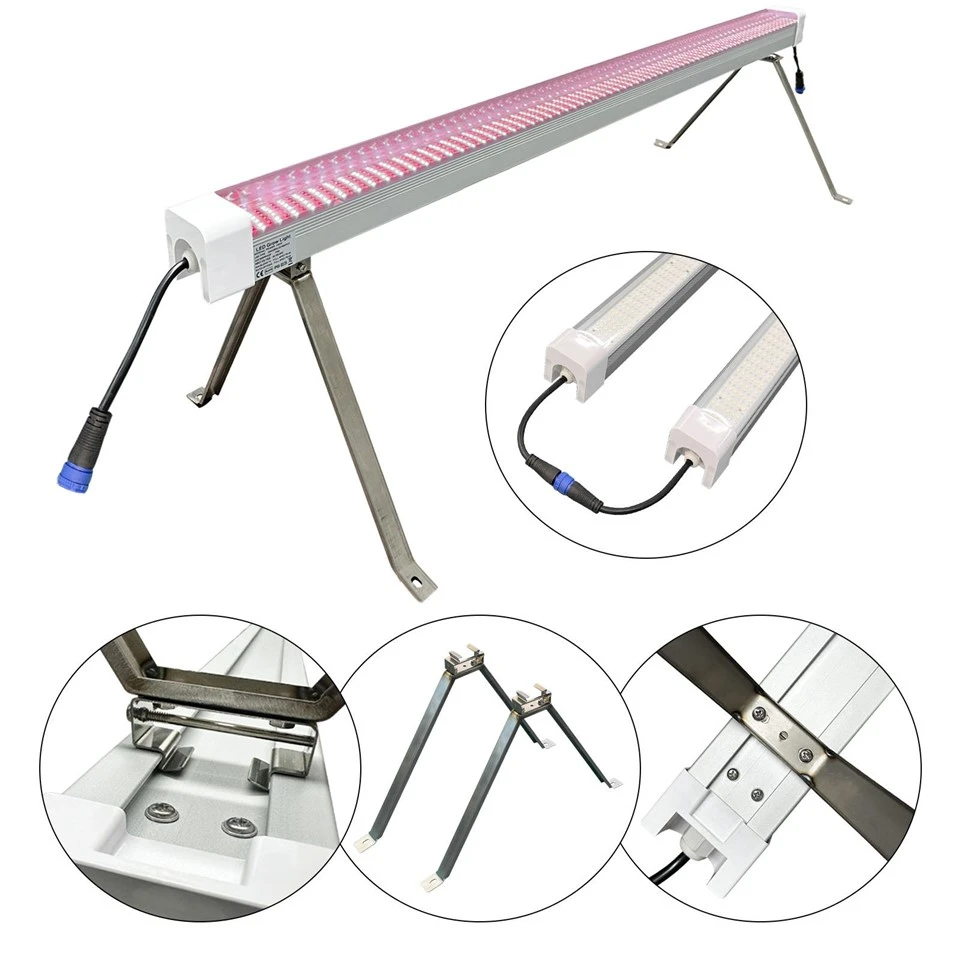
Let's start with the big one for growth: auxins. You might've heard auxins make plants stretch toward light (that's called phototropism, for anyone who remembers bio class). Normally, when the top of a plant gets all the light, auxins hang out in the shaded lower parts, telling those cells to stretch so the plant can reach more light. But under canopy LEDs? They're shoving light right into those lower, shaded areas. So what happens to auxins there? Studies show that when a plant tissue gets hit with the right light spectrum (red and blue are the big ones for LEDs), auxin production in that spot drops off. No more signal to stretch, so those lower leaves stay compact instead of getting leggy. That's a win for us, honestly-leggy lower growth is prone to mold and doesn't produce as much bud or fruit. Our Single Bar LED Grow Light Bar is designed to tuck perfectly between branches, so it's not blasting too much light all at once, just targeting the spots that need it without throwing auxin production out of whack. No more weird, stretched lower stems that break mid-grow-total game changer.
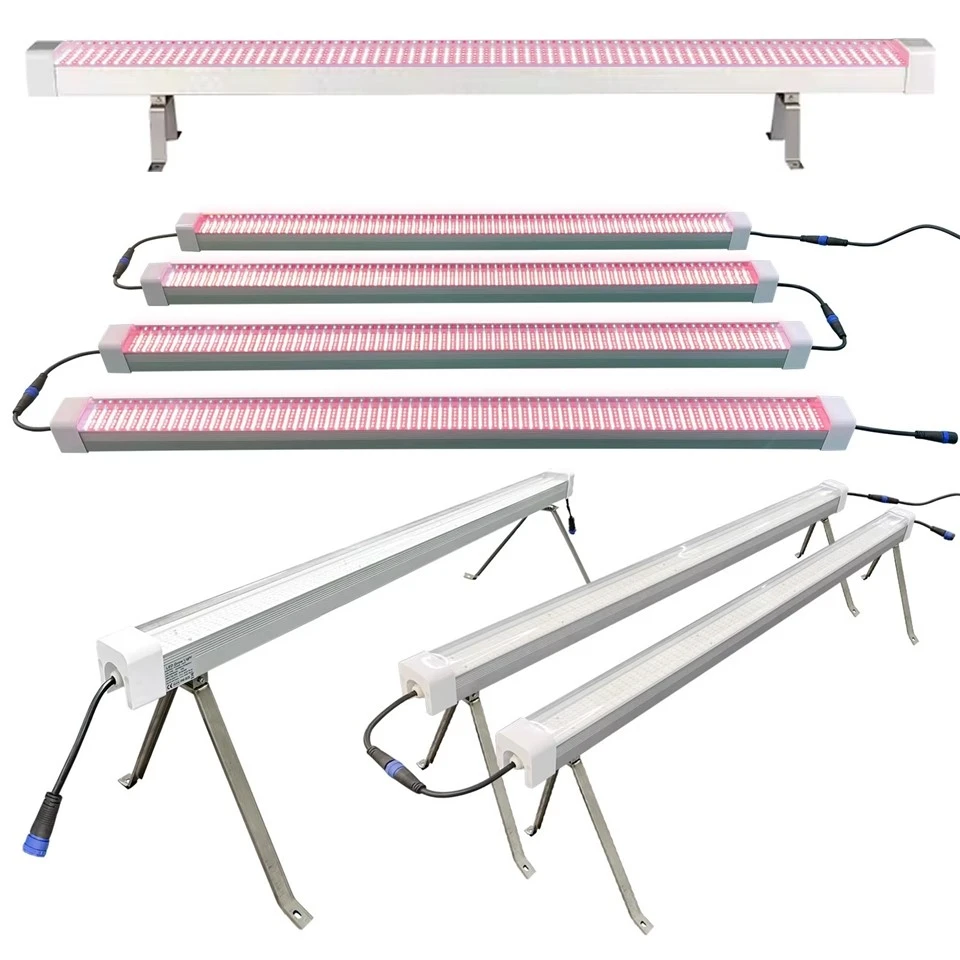
Next up, gibberellins. These are the hormones that control stem elongation, seed germination, and even flowering times. I've talked to so many growers who complain that their lower buds are small because they don't get enough light. Here's the thing: gibberellins love blue and far-red light, which is exactly what under canopy LEDs deliver in spades. When lower leaves get that light, gibberellin levels go up just enough to promote cell expansion in the lower parts, but not so much that the whole plant gets tall and spindly. Wait, but what if you don't want stretching at all? That's where dimming comes in, right? Our Dimmable Plant Grow Light lets you adjust the brightness of the under canopy lights so you can tweak gibberellin levels-if you're growing compact, bushy herbs, you dim them a bit to keep elongation low; if you're growing tomatoes that need a bit of lower growth, you crank it just enough to boost that. It's all about control, and that's something old-school high-pressure sodium lights (which are super harsh on lower canopies) just can't do.
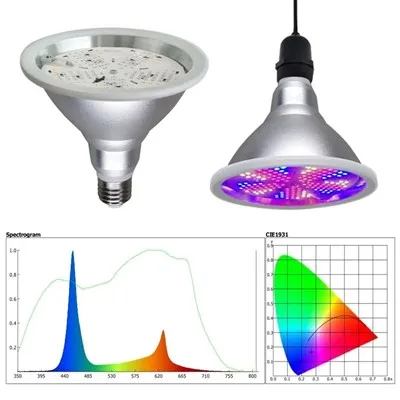
Now, let's get into the stress hormones-abscisic acid (ABA) and jasmonic acid. I know, stress sounds bad, but plants need a little of it to stay healthy. Too much stress and they'll wilt or drop leaves, but the right amount triggers defense responses, like making their own pesticides against bugs or toughening up to resist disease. Here's where under canopy LEDs shine because they can adjust light intensity and spectrum to keep stress in check. Lower canopy areas are usually the most humid and stagnant, so they're more prone to mold (powdery mildew, anyone?). If you have lights that are too bright down there, ABA levels spike too much, making the plant close its stomata (the little pores that let CO2 in and water out) which slows growth. But under canopy LEDs, when they're placed right, deliver just enough light to keep ABA at a sweet spot-high enough to toughen up the leaves against mold, but low enough that the plant still opens its stomata to photosynthesize. We've even had a few greenhouse clients use these lights alongside their Outdoor Grow Light Bulbs for their outdoor raised beds-they use the under canopy bars to fill in light for the undersides of fruit bushes, and they've noticed way less leaf drop from stress than when they only use overhead lights. That's the kind of real-world win we live for.
Cytokinins, another key hormone, this one's responsible for cell division and making new growth, especially in the lower parts of the plant. Normally, cytokinins are mostly produced in the roots and move up the stems, but they get diluted by the time they reach the lower canopy. So those lower leaves just sit there, not growing much, waiting to get shaded out and die. Under canopy LEDs change that. When light hits the lower leaves, it triggers local cytokinin production right in those leaf cells. Suddenly, those lower leaves aren't just dead weight-they're actively growing, producing more energy for the whole plant, and even developing little buds or fruit. I talked to a cannabis grower last month who was using our under canopy bars (and our Foldable LED Grow Light for the top) and said her lower buds were 30% bigger than last year, when she only had overhead lights. She said she thought it was just more light, but turns out, it was those cytokinins kicking into gear because the leaves were getting the right spectrum. That makes total sense when you think about it-light is the trigger for that local hormone production.
Wait, let's not forget about ethylene, the hormone that controls ripening and senescence (when leaves turn yellow and die). Ethylene is usually produced in response to aging, but light levels play a big role here. Lower canopies with too little light produce more ethylene, which makes leaves yellow and fall off early. That's a problem because those leaves are still photosynthesizing, taking energy from the sun to feed the buds or fruit. Under canopy LEDs reduce ethylene production in lower leaves by giving them enough light, so they stay green and productive longer. Some fruit growers we work with-especially those growing peppers-say that their pepper plants keep lower leaves green all the way through harvest, instead of dropping them halfway through, which means the whole plant is putting energy into peppers instead of wasting energy growing new leaves. That's a huge yield boost, no cap.
Now, I've heard a few growers say, "Wait, can these lights mess up my whole hormone balance, not just the lower parts?" That's a valid question. If you set them too bright, or put them too high where they hit the top canopy, you can throw auxin levels off in the main stem, leading to too much stretching. But that's where the design of good under canopy LEDs comes in-they're made to be focused on the lower third of the plant, not the top. Our bars, for example, have a narrow beam angle that doesn't spill light onto the main canopy, so you only trigger hormone changes where you want them. And the dimmable feature lets you fine-tune, so if you notice your top plants are stretching, you just turn the under canopy lights down a little. No need for fancy, complicated setup-even new growers can get this right.
Another thing: I did some digging on recent studies (not just old textbook stuff, but 2020-2024 research) and they found that under canopy LEDs with a balanced red-blue spectrum actually increase the plant's overall hormone balance, not just local stuff. Like, cytokinins go up, auxins stay stable where they need to be, and stress hormones stay at optimal levels, so the whole plant is healthier. One study from a university in California looked at tomato plants using under canopy LEDs and found that they had 25% higher auxin levels in the main stem, but only because the lower leaves were producing enough cytokinins to support the whole plant, so the main stem didn't have to stretch to reach light. It's like the plant works smarter, not harder.
Let's get real for a second-when I started in this industry, I thought LED grow lights were just a "brighter is better" thing. But now, after working with so many growers and seeing the science, I get that it's all about how the light is delivered, and how it interacts with those tiny hormone messengers. Under canopy LEDs don't just add more light-they give the plant the right signals in the right spots, making it grow more efficiently, produce more yield, and even resist stress better. Whether you're a home grower with a small tent, a greenhouse operator with 1000 tomato plants, or someone growing herbs on a patio, these lights can change the game.
If you're testing this out, start small-maybe grab one of our single bars for your tent, or a dimmable light so you can adjust. If you're growing outdoors, our outdoor bulbs work great tucked under fruit trees or bushes. For larger greenhouses, the foldable ones are easy to move around as your plants grow. No matter what, don't be afraid to tweak the settings-every plant is different, so playing with the brightness and placement is half the fun.
If you're ready to stop guessing and get the right under canopy lights for your grow, hit us up to chat about what you need. We don't do one-size-fits-all, we work with you to figure out the best setup for your plants. Let's make your next grow the best one yet.
References
- McClung, C. R. (2018). Light regulation of plant hormone signaling. Annual Review of Plant Biology, 69, 157-181.
- Kim, H. J., et al. (2021). Under-canopy LED lighting modulates auxin and cytokinin balance to enhance tomato yield in greenhouse production. Scientia Horticulturae, 287, 110245.
- Zhang, Y., et al. (2023). Far-red and blue light from under-canopy LEDs regulate gibberellin and abscisic acid levels to improve leaf stress tolerance in Solanum lycopersicum. Frontiers in Plant Science, 14, 1219876.
- van der Knaap, E., et al. (2022). Ethylene and light interactions in senescence of shaded tomato leaves. Journal of Experimental Botany, 73(12), 3987-3999.
- Goto, E., et al. (2020). Spectral and intensity effects of under-canopy LED lighting on growth and hormone production in cannabis sativa. HortScience, 55(10), 1622-1628.