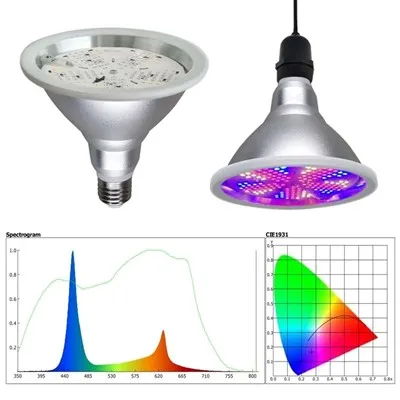

A heavily planted tank is a beautiful and rewarding addition to any home or office. However, to ensure the health and growth of your aquatic plants, choosing the right fish tank light bar is crucial. As a Fish Tank Light Bar supplier, I understand the importance of providing the best lighting solutions for your planted aquarium. In this blog post, I will share some key factors to consider when selecting a fish tank light bar for a heavily planted tank.
Understanding the Lighting Needs of Aquatic Plants
Before diving into the selection process, it's essential to understand the lighting requirements of aquatic plants. Different plants have varying needs for light intensity, spectrum, and photoperiod. Most aquatic plants require a specific range of light wavelengths for photosynthesis, which is the process by which they convert light energy into chemical energy to grow and thrive.
The light spectrum is divided into different colors, each with its own wavelength. For aquatic plants, the most important colors are red and blue, as they are absorbed by chlorophyll, the pigment responsible for photosynthesis. Red light promotes flowering and fruiting, while blue light is essential for vegetative growth. A good fish tank light bar should provide a balanced spectrum that includes both red and blue wavelengths, as well as other colors in the visible light spectrum.

In addition to spectrum, light intensity is also a crucial factor. Heavily planted tanks typically require higher light intensity compared to tanks with fewer plants. The intensity of light is measured in PAR (Photosynthetically Active Radiation), which is the amount of light in the 400-700 nanometer wavelength range that is available for photosynthesis. The ideal PAR level for a heavily planted tank depends on the type of plants you have, but generally, a range of 30-50 PAR is recommended for most common aquatic plants.
Photoperiod, or the length of time the lights are on each day, is another important consideration. Most aquatic plants require a photoperiod of 8-12 hours per day to maintain healthy growth. However, some plants may have specific requirements, so it's important to research the needs of your particular plants.
Factors to Consider When Choosing a Fish Tank Light Bar
Now that you understand the lighting needs of aquatic plants, let's take a look at some key factors to consider when choosing a fish tank light bar for a heavily planted tank.
1. Light Intensity and Coverage
As mentioned earlier, heavily planted tanks require higher light intensity. When choosing a fish tank light bar, look for one that can provide sufficient PAR levels for your tank size and the type of plants you have. The light intensity should be evenly distributed across the tank to ensure that all plants receive adequate light. Consider the length and width of your tank and choose a light bar that is long enough to cover the entire surface area.
2. Spectrum
A good fish tank light bar should provide a balanced spectrum that includes both red and blue wavelengths, as well as other colors in the visible light spectrum. Some light bars also offer adjustable spectrum options, allowing you to customize the lighting to suit the needs of your plants at different growth stages. For example, you may want to increase the amount of blue light during the vegetative growth stage and increase the red light during the flowering stage.
3. Energy Efficiency
Energy efficiency is an important consideration, especially if you plan to keep your lights on for several hours each day. LED light bars are generally more energy-efficient than traditional fluorescent or incandescent lights, as they consume less power and produce less heat. Look for a fish tank light bar that is labeled with an energy-efficient rating, such as Energy Star.
4. Durability and Quality
A fish tank light bar should be durable and able to withstand the humid environment of an aquarium. Look for a light bar that is made from high-quality materials and has a waterproof or water-resistant design. It's also a good idea to choose a light bar from a reputable manufacturer that offers a warranty.
5. Ease of Installation and Use
The fish tank light bar should be easy to install and use. Look for a light bar that comes with clear installation instructions and all the necessary mounting hardware. Some light bars also offer features such as adjustable brightness and timer settings, which can make it easier to control the lighting in your tank.
6. Cost
The cost of a fish tank light bar can vary depending on the brand, features, and quality. While it's important to choose a light bar that meets your needs and budget, remember that the cheapest option may not always be the best. Investing in a high-quality light bar can save you money in the long run by reducing energy costs and providing better lighting for your plants.

Types of Fish Tank Light Bars
There are several types of fish tank light bars available on the market, each with its own advantages and disadvantages. Here are some of the most common types:
1. LED Light Bars
LED light bars are the most popular choice for fish tanks, especially for heavily planted tanks. They are energy-efficient, long-lasting, and offer a wide range of spectrum options. LED light bars also produce less heat, which can help to keep the water temperature in your tank stable. Some LED light bars also offer features such as adjustable brightness and color settings, allowing you to customize the lighting to suit your needs.
2. Fluorescent Light Bars
Fluorescent light bars have been used in fish tanks for many years and are still a popular choice. They are relatively inexpensive and provide a good balance of light intensity and spectrum. However, fluorescent light bars are not as energy-efficient as LED light bars and may need to be replaced more frequently.
3. Metal Halide Light Bars
Metal halide light bars are the most powerful type of fish tank light and are typically used in large, heavily planted tanks. They provide high-intensity light and a wide spectrum of colors, making them ideal for promoting plant growth. However, metal halide light bars are also the most expensive and require a special ballast to operate. They also produce a lot of heat, which can make it difficult to maintain the water temperature in your tank.
Conclusion
Choosing the right fish tank light bar for a heavily planted tank is essential for the health and growth of your aquatic plants. By considering factors such as light intensity, spectrum, energy efficiency, durability, ease of installation and use, and cost, you can select a light bar that meets your needs and budget. As a Fish Tank Light Bar supplier, I offer a wide range of high-quality light bars that are specifically designed for heavily planted tanks. If you have any questions or need help choosing the right light bar for your tank, please [Contact to discuss procurement].
References
- Denny, M. W. (1993). Air and Water: The Biology and Physics of Life's Media. Princeton University Press.
- López-Jiménez, M., & Alcaraz, C. (2017). Light quality affects growth, photosynthesis, and antioxidant capacity of lettuce (Lactuca sativa L.) under different growing conditions. Scientia Horticulturae, 226, 304-311.
- Taulav, K. H., & Gonzáles, E. (2019). Lighting Systems for Aquaculture. CRC Press.