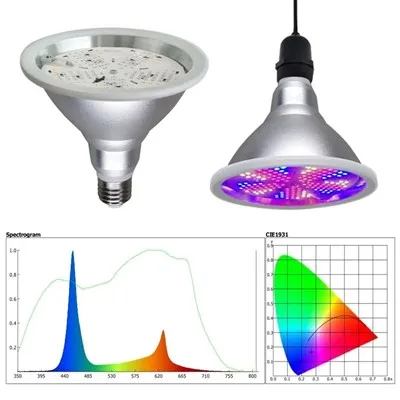

Hey everyone, if you've ever been deep into the world of indoor gardening, you've probably stared at your LED plant light setup and wondered: can I actually dim these things? I get this question ALL the time working with LED Plant Light Bulbs, and it's such a good one-because dimming isn't just a "nice-to-have" for growing; it can actually make or break your plants, especially if you're juggling different growth stages. Let's break this down, no fancy jargon, just the straight talk from someone who's been selling these bulbs for years and troubleshooting hundreds of growers' setups.
First off, let's cut to the chase: not all LED plant light bulbs are dimmable. But that's not because LED tech is bad-it's usually because of how the bulb was built, and more importantly, how you pair it with your dimmer switch at home. I can't tell you how many times a customer has come to me frustrated, saying they bought a "dimmable" bulb from the hardware store, plugged it into their regular home dimmer, and now it's flickering like a broken neon sign or barely works at low settings. That's the opposite of what you want when you're trying to help your tomatoes set fruit or your herbs not stretch into leggy messes.
Let's start with why you'd even want a dimmable grow light in the first place, because a lot of new growers just think "brighter = better." Spoiler: it's not. Seedlings, for example, don't need the full intensity of a flowering plant. If you crank a seedling's light to 100% from day one, you'll burn their tiny, delicate leaves faster than you can say "hydroponics." Same with plants that are in the vegetative stage-they need less energy than when they're pushing flowers or fruits. Even mature plants can get stressed if the light is too strong for their setup; I've had customers overdo it on their tomato plants, turning the leaves brown at the edges. Dimming lets you match the light intensity to exactly what your plants need at each stage, which saves you from wasting electricity too-win-win.

Now, the science bit (I'll keep it simple, promise). Regular LED light bulbs for your living room work with standard leading-edge dimmers, right? But most LED plant light bulbs use trailing-edge dimming tech because grow LEDs have drivers (that's the little circuit board inside the bulb that controls power) made specifically for plants. If you mismatch a trailing-edge grow driver with a regular leading-edge dimmer, that's when you get flickering, buzzing, or the bulb not dimming at all. That's why generic "dimmable" household LEDs don't cut it for growing-their drivers aren't built for the unique power needs of plant growth.
That's where our [Dimmable Grow Light Bulb] comes in, by the way. We designed these bulbs specifically to work with both trailing-edge dimmers (which are the most common for LED fixtures these days) and even some leading-edge ones if you set them up right. We tested ours with all the big-name dimmer brands to make sure there's no annoying buzzing or flickering-because the last thing you want when you're up at 2am tending to your peppers is a light that's making your whole closet hum.
Wait, but what about the other types of bulbs? For example, if you're growing for both growth and photosynthesis, you might need bulbs with infrared (IR) light, right? IR helps with plant cell structure and flowering, so that's a nice add-on. Our [Ir Grow Light Bulb] is dimmable too, by the way-we made sure every bulb in our lineup plays nice with dimmers, because even the extra IR light needs to be adjustable for different growth stages. And if you're using standard fixtures around the house, like E27 sockets? Our [E27 Grow Light Bulb] fits right in, and yeah, it's dimmable too-we don't sell non-dimmable bulbs in our core line because we know how important that adjustability is for growers.
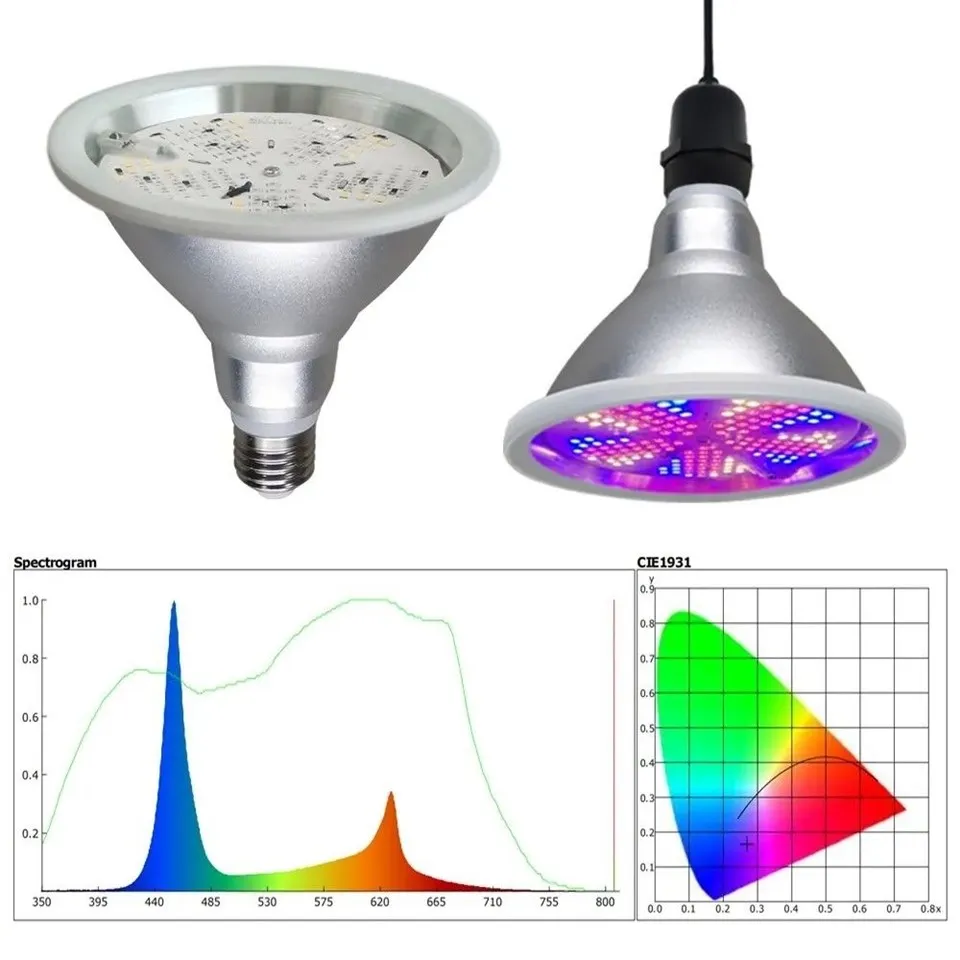
Now, I should also talk about a common mistake people make: thinking dimming means the bulbs are less powerful. Nope-dimming just reduces the amount of power going to the LEDs, but our dimmable grow bulbs have good efficiency even at lower settings. A lot of cheap dimmable bulbs cut corners on that, so you get weak light when you dim them, but our ones keep their full spectral output (all the red, blue, and extra IR light plants need) no matter the brightness. That's the difference between a bulb that works for your plants and one that's just a fancy flashlight.
What about outdoor setups? Wait, outdoor grow light bulbs? Yeah, if you're growing season-extended veggies on your porch or in a greenhouse that's got some natural light, dimming can help adjust for cloudy days or shorter winter light hours. Our [Outdoor Grow Light Bulbs] are weather-resistant, and dimmable so you don't have to yank them off the hook when the sun is hiding-just dial down the intensity a bit. That's perfect for anyone who doesn't want to build a whole indoor grow tent but still wants to grow fresh greens through the cold months.
Let's get into how to make it work, because even the best bulb is useless if you set it up wrong. First, check your dimmer: if it's a new dimmer, it's probably trailing-edge, which is good for grow LEDs. If it's an old leading-edge dimmer, you might need to replace it or get a dimmer made specifically for grow lights (we can help with recommendations if you need). Second, don't overload your dimmer. Most household dimmers can only handle so many watts, so if you're putting 10 bulbs on one dimmer, make sure the total wattage is under the dimmer's max. Third, test the bulb after you install it-turn it from full to low and see if there's flickering. If there is, swap out either the bulb or the dimmer; it's not worth risking your plants.
Another thing: some people think dimming LED plants will mess up the light spectrum. Let's clarify-spectrum is the mix of red, blue, IR light that plants use for photosynthesis. Cheap dimmers can distort that, but when you get a quality bulb like our [LED Plant Light Bulbs], the spectrum stays consistent across all brightness levels. So at 20% brightness, your seedlings are still getting the right blue light for strong stems, and at 100%, your tomatoes get the red light they need to set fruit. That's the key to actually benefiting from dimming, not just having a light that gets dim.
I've seen so many growers switch to our dimmable bulbs and their plants take off. A customer last month was growing basil on her apartment windowsill-her window only gets 4 hours of sun a day, so she was using a non-dimmable bulb that burnt the basil when she ran it too long. Switched to our dimmable bulb, cranked it to full for 12 hours a day in vegetative stage, then dialed it down to 50% when it started to flower, and now she's picking basil every week for pasta. That's the real win-dimming isn't a gimmick, it's a tool that works when you have the right setup.

Wait, but is every grow light bulb dimmable? No, and that's why we're picky about our lineup. Some cheaper bulbs skip the dimmable driver to cut costs, which saves a few bucks but causes headaches for growers. We build all our bulbs with dimmable drivers as standard because we know most people using grow lights want that adjustability. The only time you might want a non-dimmable bulb is if you have a super simple setup with no way to adjust brightness, but even then, we'd usually recommend our dimmable ones because they're worth the extra cost in the long run for your plants' health.
Let's also touch on the durability part. When you dim an LED, it doesn't put as much heat out, right? LED bulbs don't get hot like incandescents, so dimming them actually extends their lifespan. That's a bonus-less heat means less stress on the bulb, so you don't have to replace them as often. I've had customers tell us our dimmable bulbs have lasted 3 years, way longer than the non-dimmable ones they bought before. That adds up to savings too.
So, to wrap this up: yes, LED plant light bulbs can be dimmable, but only if they're built with the right driver and paired with the right dimmer. Generic household bulbs won't work for growing, but quality dimmable grow bulbs will give you the flexibility to match light to your plants' needs, save electricity, extend bulb life, and help your plants grow stronger.
If you're looking to upgrade your grow setup and get the right bulbs, we've got all the options you need-from our top-of-the-line [Dimmable Grow Light Bulb] to our specialized [Ir Grow Light Bulb], easy-to-fit [E27 Grow Light Bulb], full range of [LED Plant Light Bulbs], and weather-resistant [Outdoor Grow Light Bulbs]. Whether you're a new grower just starting with a few herbs or a seasoned pro running a small grow tent, we can help you pick the perfect setup.
If you're ready to talk through your needs, want more details on any of our products, or need help figuring out which bulbs and dimmer work best for your space, reach out to our team to chat about pricing, bulk orders, or setup tips. We're here to help you grow better, no matter what you're cultivating.
References:
- LED Lighting for Plant Growth: A Review of Current and Future Technologies, Journal of Applied Physics
- Dimming Characteristics of LED Grow Lights for Horticultural Applications, HortScience
- Energy Efficiency of Dimmable LED Lighting in Indoor Cultivation Systems, Energy and Buildings