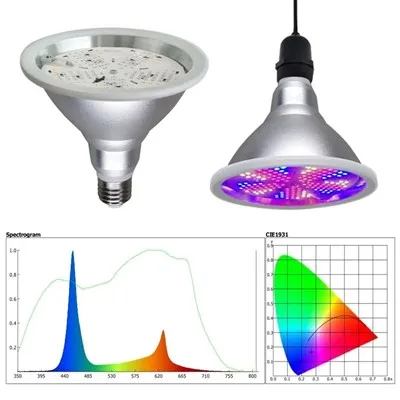

Let me start by setting the scene: I'm a supplier who's spent years working with LED corn lamps, and one question that pops up more than any other is this one about 80W LED corn lamps fitting into regular fixtures. It's a fair question, too-corn lamps have that distinct, rugged, multi-faceted look that's different from the standard A-shape bulbs or even PAR bulbs most people use at home or in small commercial spaces. A lot of folks see the "80W" label and immediately assume it needs some special, heavy-duty fixture, so let's break this down properly.
First, I should explain what an 80W LED corn lamp actually is, because a lot of the confusion comes from mixing up old incandescent or halogen wattages with LED equivalents. Back in the day, an 80W incandescent bulb put out roughly 800 lumens-warm, yellow light that faded fast and wasted tons of energy. An 80W LED corn lamp (and you can check the details here, since this is our core product) produces between 10,000 and 12,000 lumens. That's the kind of brightness you'd expect from a 600W incandescent, but it uses way less power, runs cooler, and lasts way longer. The "80W" here is the power it draws from the grid, not the light output, which is a key distinction for anyone comparing it to traditional bulbs.
Now, the big question: regular light fixtures. What counts as a "regular" fixture? I usually tell our customers that regular fixtures fall into two main categories: residential fixtures (like pendant lights, flush mounts, small chandeliers, track lights) and light commercial fixtures (like small warehouse lights, gymnasium auxiliary lights, parking garage bays that aren't too big, or workshop lights). The short answer is: sometimes, but it depends on three things-fixture type, fixture rating, and mounting compatibility.
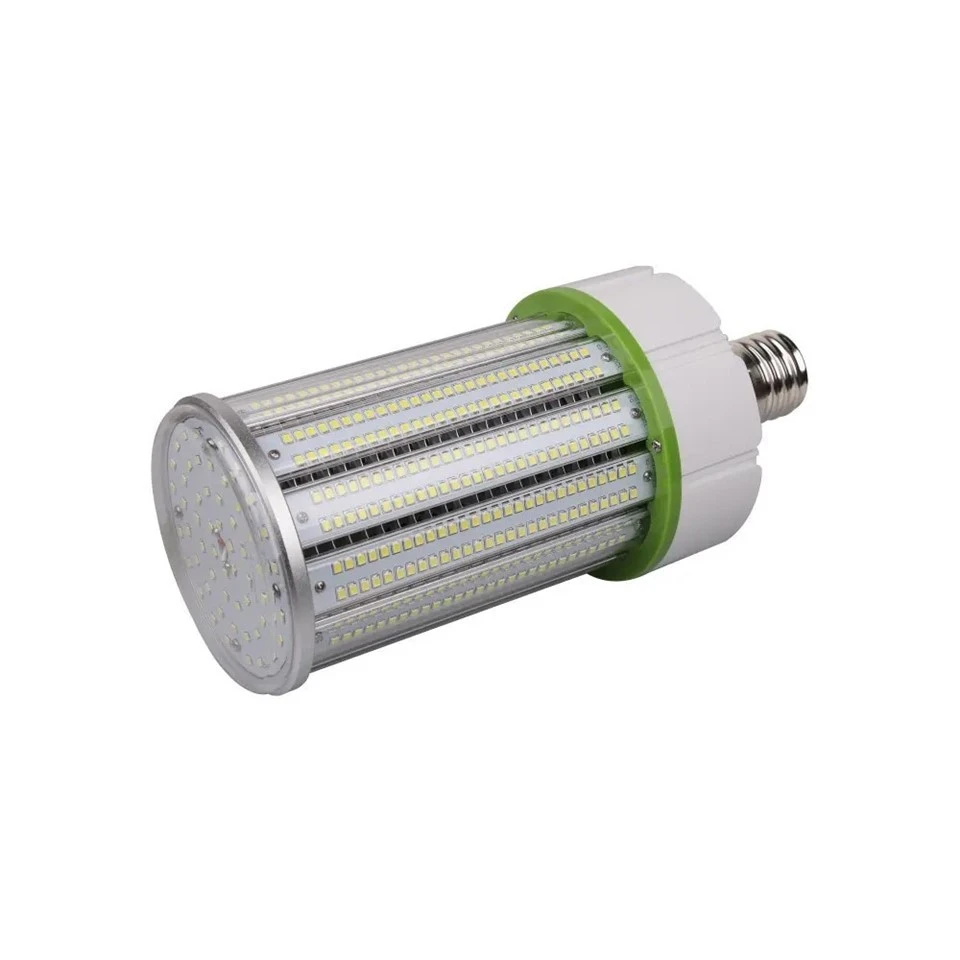
Let's start with mounting compatibility because that's the first physical check. Most 80W LED corn lamps use standard base sizes, right? The two most common are E26 and E39. E26 is the medium base you'll find in almost every residential fixture in North America-lamps, table lamps, ceiling lights. E39 is the mogul base, which is common in bigger commercial fixtures like high bays or street lights. Wait, so if an E26 80W corn lamp fits into a regular pendant light with an E26 socket, does that mean it works? Not so fast. The socket's maximum wattage rating is the next big factor.
I can't tell you how many times I've had a customer say, "My fixture says max 60W, why does this 80W lamp fit?" That's a problem. Because traditional incandescents and halogens run extremely hot-an 80W incandescent can reach 300 degrees Fahrenheit in minutes. If a fixture is rated for 60W, it's only designed to dissipate that much heat. An 80W LED corn lamp, on the other hand, runs at a fraction of that heat-usually around 100 to 120 degrees Fahrenheit during operation. That's a huge difference. But wait, I'm not saying you can ignore the fixture's rating. Some fixtures, especially older ones made for incandescents, have fragile sockets or plastic housings that might not handle even LED heat if they're not built for it. So the rule here is: if the fixture has a maximum wattage rating below 80W, but it's a modern, LED-compatible fixture (which most are now), you're probably safe. If it's an old, metal-free, plastic fixture from the 1970s or earlier, double-check with the manufacturer first.
Another mounting point is the shape and size of the corn lamp. 80W corn lamps are bigger than standard bulbs-they're usually 5 to 7 inches tall and 3 to 4 inches wide, with that array of LED chips sticking out from the central heatsink. So if your fixture has a tight enclosure, like a small flush mount with a shallow dome, the corn lamp might not fit without touching the sides or the top of the housing. That's not just an aesthetic issue-it can block airflow, which makes the lamp run hotter than it's supposed to, shortening its lifespan. Our 80W LED corn lamps are designed with a wide, open heatsink to maximize airflow, so even in slightly deeper fixtures, there's enough ventilation. But if the fixture is super tight (like a small recessed light can), you'll need to measure the internal depth before buying.
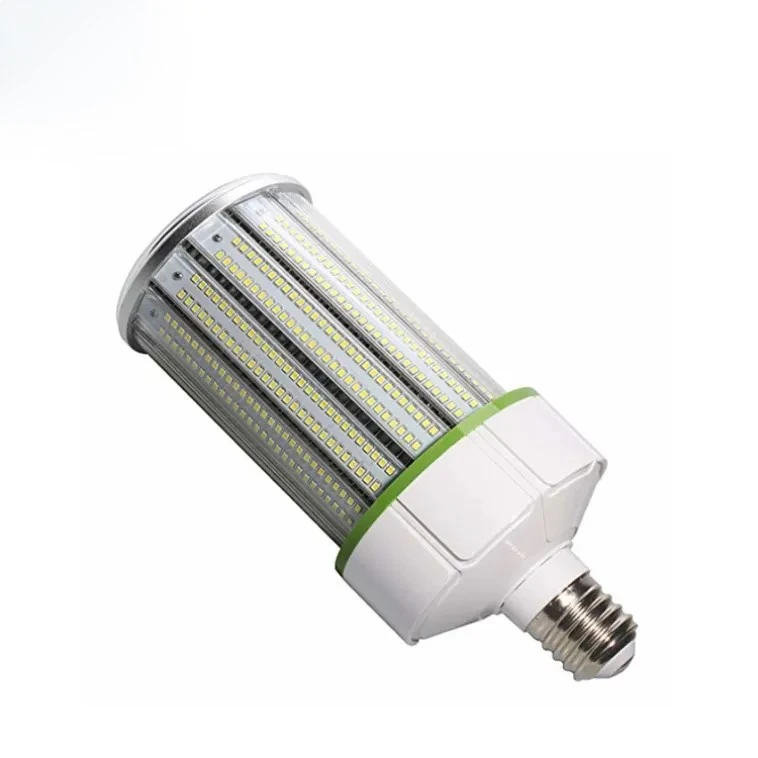
Now, let's talk about fixture purpose. A lot of people ask if they can use an 80W LED corn lamp in a regular table lamp for reading, for example. That works great, as long as the lamp can handle the brightness level. 12,000 lumens is really bright-too bright for a small bedside table lamp, but perfect for a desk lamp or a reading nook with a bigger fixture. We've had customers use them in kitchen pendant lights over a kitchen island, which gives them even, bright light for cooking without the harshness of older fluorescent tubes. Where you have to be careful is in enclosed fixtures that are rated for LED, but not for high-luminescence bulbs. Wait, no-enclosed fixtures for LEDs are actually designed to dissipate heat from LED bulbs, so that's not as much of an issue. The old rule about "don't use LEDs in enclosed fixtures" mostly applied to early, inefficient LED bulbs that couldn't vent heat, but modern corn lamps are built for that.
Heat management is a big one for corn lamps, especially the 80W model. The heatsink on an 80W corn lamp is made of aluminum, which is a great heat conductor. It doesn't just keep the lamp cool-it also means the light output stays consistent over time. If you put an 80W corn lamp in a regular fixture that doesn't have enough ventilation, the heatsink can't do its job, and the lamp might dim prematurely, or even shut off temporarily as a safety feature. That's why we always recommend checking the clearance around the lamp. For the 80W model, we say you need at least 2 inches of clearance on all sides, which is standard for most regular residential and small commercial fixtures.
Another point: dimming compatibility. A lot of regular fixtures have dimmers, especially in residential spaces like dining rooms or bedrooms. Not all 80W LED corn lamps are dimmable, and not all dimmers work with LEDs. Old incandescent dimmers work differently-they cut power by reducing voltage, while LED dimmers need to handle low-wattage loads and have different circuitry. So if you plan to use the corn lamp in a dimmer-equipped fixture, make sure it's a dimmable 80W LED corn lamp (you can find this specification on our product page) and that you have an LED-compatible dimmer switch. Most modern dimmers are LED-compatible now, but if your home is older, you might need to swap out the switch.
Let's also cover some real-world examples, because that's what matters most. Last year, I worked with a small café owner in Chicago who wanted to replace their old fluorescent tube lights over their counter. They had regular ceiling mounts with E26 sockets, rated for max 75W. We suggested our 80W LED corn lamps, and they were nervous at first-"The fixture only says 75W!" But we walked them through the heat difference, and they tried a test lamp. A month later, they told me they had no issues- the lamps were way brighter than the fluorescents, used less electricity, and the fixtures weren't getting hot at all. Another customer is a woodworker who uses these in his workshop, with regular shop light fixtures. He said the 80W corn lamps are perfect-bright enough to see every detail, no flicker, and they last way longer than the old incandescents he used to go through every month.
On the flip side, I've had customers who tried to put an 80W corn lamp in a tiny, enclosed pendant light in a powder room. The fixture was only 4 inches wide, and the lamp's heatsink touched the sides, so it ran hot and burned out in 2 months. That's a case where the size didn't match, not the fixture being "regular." So size is a key factor I always emphasize.
Also, voltage matters, but most regular fixtures operate on 120V AC, which is what our 80W LED corn lamps are designed for. We also make them for 220V, so if you're in a different region, that's something to check, but standard North American regular fixtures use 120V, so that's not a problem.
Wait, another common myth: people think LED corn lamps are only for outdoor use, like in barn lights or street lights. But that's not true-while they're great for outdoor spaces because they're weather-resistant, they work perfectly indoors too. The 80W model is popular for small commercial spaces because it's more cost-effective than multiple small bulbs, and it gives uniform light. In a regular office waiting room with a few ceiling fixtures, replacing each 60W incandescent with one 80W corn lamp cuts down on the number of bulbs you need, reduces maintenance, and saves energy.
Let me circle back to the original question: can an 80W LED corn lamp be used in a regular light fixture? The answer is yes, but with three critical checks: first, confirm the socket base matches (E26 or E39, depending on your fixture). Second, make sure the fixture has enough clearance (at least 2 inches) around the lamp to allow for airflow, and that it's rated for LED use (most modern regular fixtures are). Third, if you're using a dimmer, ensure the lamp is dimmable and compatible with your dimmer switch. If all those boxes are checked, you're good to go. If not, there might be a workable solution-like choosing a slightly lower wattage LED corn lamp, but our 80W model is designed to fit more regular fixtures than most people realize, because of its smart heatsink and compact, but rugged, design.
I should also mention that using an LED corn lamp in a regular fixture is a great way to upgrade your lighting without having to replace all your fixtures. If you have a collection of old light fixtures that you love but hate the high energy bills and short lifespan of their old bulbs, swapping in high-quality LED corn lamps is a quick, affordable upgrade. We've had customers who've kept their vintage chandeliers and pendant lights, just by replacing the old bulbs with our 80W LED corn lamps that fit the E26 sockets and don't overheat the old, delicate fixtures.
Now, if you're looking to switch to 80W LED corn lamps for your home or business, it's important to work with a supplier that understands both the product and the fixtures you're using. We test every one of our 80W LED corn lamps to make sure they're compatible with standard sockets, run at safe temperatures, and meet industry standards for light quality and energy efficiency. If you have questions about whether our lamp will fit your specific fixture, our team is here to help. We can also provide specifications like size, heat output, and dimming compatibility to help you make the right choice.
At the end of the day, the biggest barrier to using LED corn lamps in regular fixtures is the lack of knowledge about how they work compared to traditional bulbs. The 80W label is about power, not heat or light output, and modern LED corn lamps are engineered to fit into spaces that were once only for incandescents and halogens. You don't need a special, industrial-grade fixture to use our 80W LED corn lamp-most regular fixtures will work, as long as you do a quick check of the size, socket, and dimming setup.
If you're ready to explore how our 80W LED corn lamp can upgrade your lighting, we're here to help. We've worked with residential customers, small businesses, contractors, and electricians to find the right solutions for all kinds of regular light fixtures. Whether you're looking to replace old bulbs in your kitchen, workshop, café, or office, our team can walk you through the details, answer any questions, and make sure you get the right product for your needs. Don't let uncertainty hold you back-switching to LED corn lamps is a smart, cost-effective choice that delivers bright, reliable light for years.
References
- U.S. Department of Energy. (2023). LED Lighting Facts: Energy Efficiency and Performance Standards.
- National Electrical Manufacturers Association (NEMA). (2022). LED Corn Lamp Specification Guidelines for General Lighting Applications.
- Lighting Research Center (LRC) at Rensselaer Polytechnic Institute. (2021). Heat Management Best Practices for LED Lamps in Enclosed Fixtures.