
Can I use an Under Canopy LED Grow Light for growing vegetables?
As a supplier of Under Canopy LED Grow Lights, I'm often asked if these lights are suitable for growing vegetables. In this blog post, I'll explore the capabilities of under canopy LED grow lights and discuss their effectiveness in cultivating vegetables.
Understanding Under Canopy LED Grow Lights
Under canopy LED grow lights are designed to provide supplementary lighting to the lower parts of plants, where natural light may not penetrate effectively. They are typically installed beneath the plant canopy to ensure that all parts of the plant receive adequate light for photosynthesis. This can be particularly beneficial for plants with dense foliage or those grown in indoor or low - light environments.
The main advantage of under canopy LED grow lights is their ability to target specific areas of the plant. Unlike traditional overhead lights, which may not reach the lower leaves and branches, under canopy lights can be positioned precisely to deliver light exactly where it's needed. This targeted approach can result in more uniform growth, larger yields, and healthier plants.

Light Requirements for Vegetable Growth
Vegetables, like all plants, require light for photosynthesis, the process by which they convert light energy into chemical energy to fuel their growth. Different vegetables have different light requirements, depending on their growth stage and species.
Seedlings typically require more intense light for a longer duration to encourage strong stem and leaf development. As the plants mature, the light intensity and duration may need to be adjusted. For example, leafy greens such as lettuce and spinach generally thrive with 12 - 16 hours of light per day, while fruiting vegetables like tomatoes and peppers may require 14 - 18 hours of light as they enter the flowering and fruiting stages.
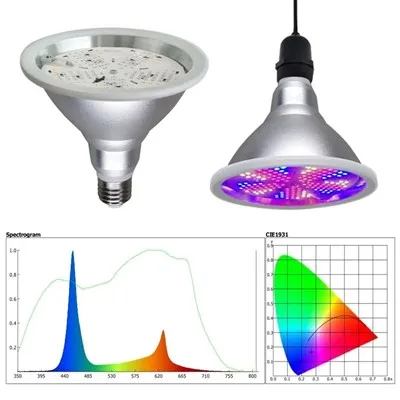
The light spectrum is also crucial for vegetable growth. Different wavelengths of light have different effects on plant development. Blue light, for instance, promotes vegetative growth, while red light is important for flowering and fruiting. Many modern LED grow lights, including under canopy lights, are designed to provide a full spectrum of light that mimics natural sunlight, ensuring that plants receive all the necessary wavelengths for optimal growth.
Benefits of Using Under Canopy LED Grow Lights for Vegetables
1. Improved Yield
By providing additional light to the lower parts of the plant, under canopy LED grow lights can stimulate more growth and development. This can lead to increased leaf production, larger fruits and vegetables, and ultimately a higher overall yield. For example, in a tomato plant, the lower branches may not receive enough light when relying solely on overhead lighting. Under canopy lights can help these branches produce more flowers and fruits, maximizing the plant's productivity.
2. Uniform Growth
Under canopy lights ensure that all parts of the plant receive equal amounts of light, which promotes more uniform growth. This can prevent issues such as leggy growth, where the plant grows tall and thin due to insufficient light. With more even light distribution, the plant can allocate its resources more efficiently, resulting in a stronger and healthier overall structure.
3. Energy Efficiency
LED grow lights are known for their energy efficiency compared to traditional lighting sources such as fluorescent or incandescent bulbs. Under canopy LED grow lights consume less electricity while providing the same or even better light output. This can result in significant cost savings over time, especially for large - scale vegetable growers.
4. Customizable Lighting
Many under canopy LED grow lights are dimmable and allow growers to adjust the light intensity and spectrum according to the specific needs of their vegetables. This flexibility is a great advantage, as it enables growers to create the ideal lighting conditions for each growth stage of the plants. For instance, during the seedling stage, the light intensity can be set higher, and then adjusted as the plants mature.
Considerations when Using Under Canopy LED Grow Lights
1. Placement
Proper placement of under canopy LED grow lights is crucial for their effectiveness. The lights should be positioned close enough to the plants to provide sufficient light but not so close that they cause heat stress. A general rule of thumb is to keep the lights 6 - 12 inches away from the lower leaves of the plants, but this may vary depending on the light intensity and the type of vegetables being grown.
2. Duration
As mentioned earlier, different vegetables have different light duration requirements. It's important to establish a consistent light schedule based on the specific needs of your vegetables. This can usually be achieved using a timer to ensure that the lights are turned on and off at the appropriate times each day.
3. Compatibility with Other Lighting
In many cases, under canopy LED grow lights are used in conjunction with overhead lighting. It's important to ensure that the light spectrum and intensity of the under canopy lights are compatible with the overhead lighting to provide a seamless and balanced lighting environment for the plants.
Our Product Range
We offer a wide range of under canopy LED grow lights, as well as related products to meet the diverse needs of vegetable growers. Here are some of our popular products:
- UV LED Grow Light Bar: These light bars emit UV light, which can enhance the flavor and nutritional value of vegetables.
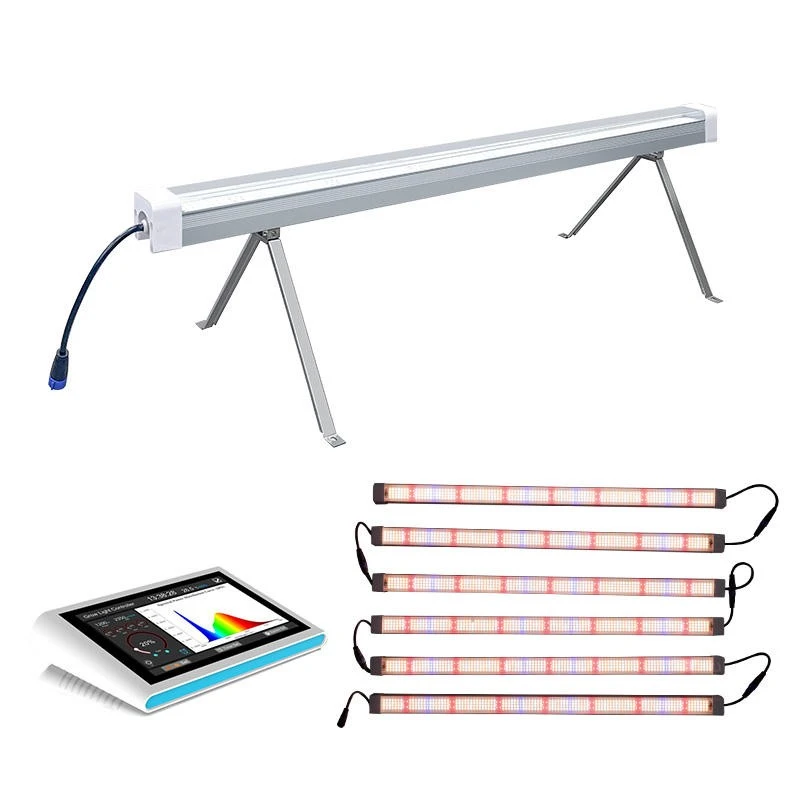
- Plant Grow Light Bar: Designed to provide a full spectrum of light, these bars are suitable for all stages of vegetable growth.
- Dimmable Grow Light Bulb: With adjustable light intensity, these bulbs are perfect for customizing the lighting conditions for your vegetables.
- Single Bar LED Grow Light Bar: Ideal for smaller growing spaces or for providing targeted lighting to specific plants.
- Outdoor Grow Light Bulbs: These bulbs are designed to withstand outdoor conditions and can be used to supplement natural light for outdoor vegetable gardens.
Conclusion
In conclusion, under canopy LED grow lights can be an excellent choice for growing vegetables. They offer numerous benefits, including improved yield, uniform growth, energy efficiency, and customizable lighting. However, it's important to consider factors such as placement, duration, and compatibility with other lighting when using these lights.
If you're interested in learning more about our under canopy LED grow lights or other related products, or if you have any questions about growing vegetables with artificial lighting, please feel free to contact us for a procurement discussion. We're here to help you create the perfect lighting environment for your vegetable garden.
References
- Smith, J. (2020). The Science of Plant Lighting. Gardening Science Press.
- Johnson, A. (2019). LED Lighting for Indoor Agriculture. Agricultural Lighting Journal.
- Brown, L. (2021). Optimal Light Spectra for Vegetable Growth. Plant Physiology Review.