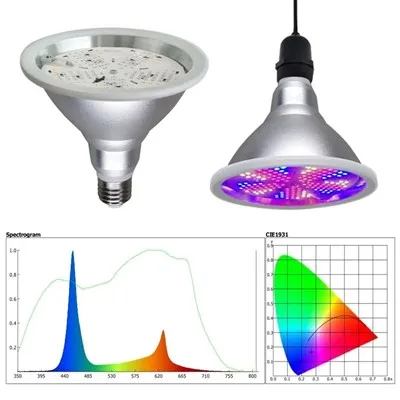

Do LED plant light bulbs produce heat? That's a question I get asked a lot as a supplier of LED Plant Light Bulbs. And the short answer is yes, they do. But let's dig deeper into this topic to understand how much heat they produce and what it means for your plants.
First off, it's important to know that all electrical devices generate some amount of heat when they're in use. LED plant light bulbs are no exception. The process of converting electrical energy into light isn't 100% efficient. Some of that energy is lost as heat. But compared to traditional lighting sources like incandescent or fluorescent bulbs, LEDs are much more efficient.

Incandescent bulbs are notorious for producing a ton of heat. They work by heating a filament until it glows, and a large portion of the energy they consume is turned into heat rather than light. Fluorescent bulbs are a bit better, but they still generate a fair amount of heat. LEDs, on the other hand, are designed to emit light with minimal heat production.
The amount of heat an LED plant light bulb produces depends on several factors. One of the main factors is the wattage of the bulb. Generally speaking, the higher the wattage, the more heat it will generate. But even high - wattage LED bulbs produce less heat than their incandescent or fluorescent counterparts of the same wattage.
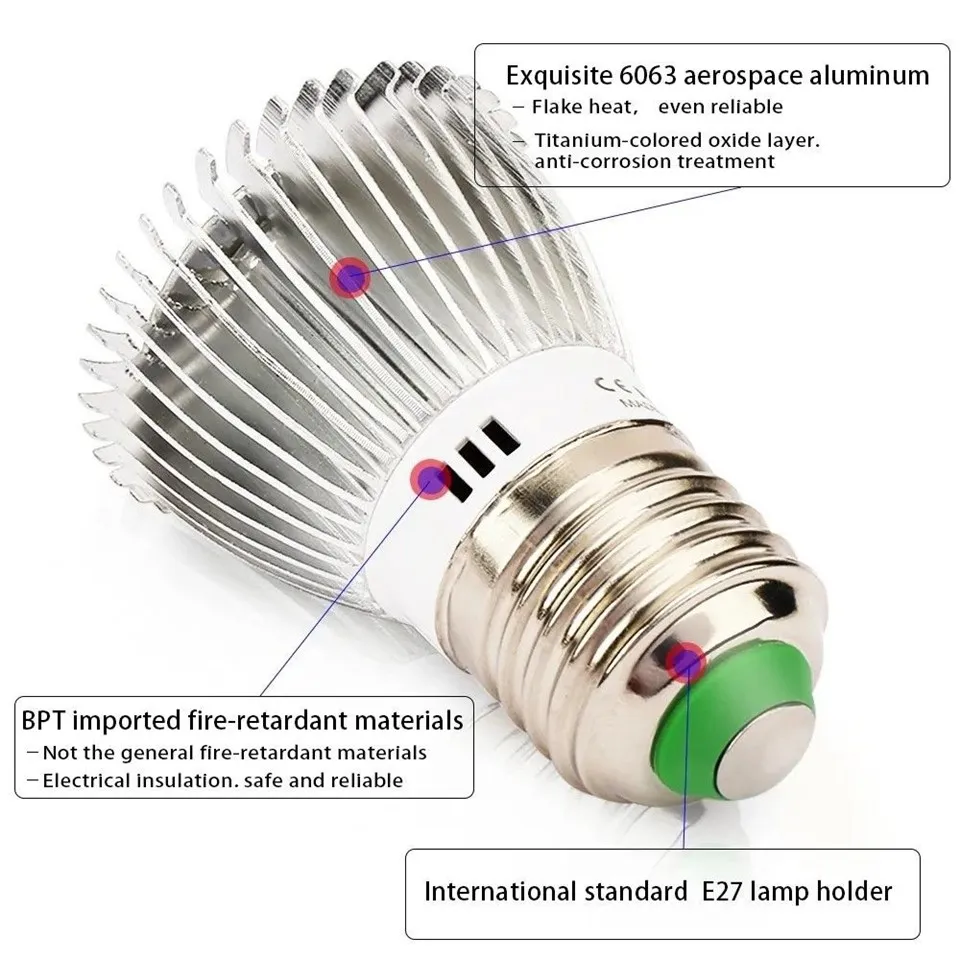
Another factor is the quality of the LED bulb. Cheaper LED bulbs may not be as well - designed to dissipate heat effectively. At our company, we make sure that all our Full Spectrum LED Grow Light Bulbs are engineered with high - quality materials and advanced heat - dissipation technology. This ensures that the heat generated is kept to a minimum and evenly distributed.
So, how does the heat from LED plant light bulbs affect your plants? Well, a little bit of heat can actually be beneficial. It can help create a warmer micro - environment around the plants, which is especially useful in cooler climates or during the winter months. However, too much heat can be a problem.
If the temperature around the plants gets too high, it can cause a variety of issues. The plants may start to wilt, and their growth can be stunted. Excessive heat can also increase the rate of transpiration, which means the plants lose more water than they can take in. This can lead to dehydration and ultimately, plant death.
That's why it's crucial to monitor the temperature when using LED plant light bulbs. You can use a simple thermometer to keep track of the temperature near the plants. If you notice that the temperature is getting too high, you may need to adjust the distance between the bulbs and the plants or use a fan to improve air circulation.
Now, let's talk about different types of LED plant light bulbs and their heat production. Our E27 Grow Light Bulb is a popular choice among our customers. It's designed to be energy - efficient and produces relatively low heat. This makes it suitable for small - scale indoor gardening, like growing herbs or small potted plants on a windowsill.
For larger grow operations, our Outdoor Grow Light Bulbs are a great option. They are built to withstand outdoor conditions and are also engineered to manage heat effectively. Whether you're growing vegetables in a greenhouse or flowers in a garden, these bulbs can provide the right amount of light without overheating the plants.
In addition to the type of bulb, the duration of use also affects heat production. If you leave the LED plant light bulbs on for long periods without giving them a break, they will naturally generate more heat. It's a good idea to set a timer for your lights to ensure they're only on for the necessary amount of time.

So, in conclusion, LED plant light bulbs do produce heat, but it's much less compared to traditional lighting sources. With proper management and the right choice of bulbs, you can use LED plant light bulbs to provide the ideal growing conditions for your plants.
If you're interested in purchasing LED plant light bulbs for your gardening needs, we'd love to have a chat with you. Whether you're a small - scale hobbyist or a large - scale commercial grower, we have the right products for you. Just reach out to us, and we can discuss your requirements and find the best solutions.
References
- "LED Lighting Technology: Principles and Applications" by John A. Parr
- "Plant Physiology" by Lincoln Taiz and Eduardo Zeiger