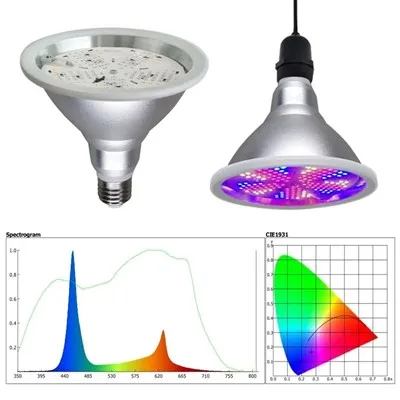

Hey there, fellow plant enthusiasts! As a supplier of Grow Light Tube Bulbs, I've seen firsthand how these little wonders can have a huge impact on plant flowering. In this blog, I'm gonna break down exactly how grow light tube bulbs influence plant flowering and why they're a game-changer for indoor gardening.
The Basics of Plant Flowering
Before we dive into the role of grow light tube bulbs, let's quickly go over how plants flower in the first place. Flowering is a crucial stage in a plant's life cycle, and it's triggered by a combination of environmental factors. One of the most important factors is the photoperiod, which is the amount of light and darkness a plant receives in a 24 - hour period.
Plants are classified into three main types based on their photoperiod requirements for flowering:
- Short - day plants: These plants flower when the days are shorter than a certain critical length. Examples include chrysanthemums and poinsettias.
- Long - day plants: They flower when the days are longer than a critical length. Spinach and lettuce are long - day plants.
- Day - neutral plants: These plants aren't affected by the photoperiod and can flower regardless of the day length. Tomatoes and cucumbers fall into this category.
How Grow Light Tube Bulbs Affect Photoperiod
Now, here's where grow light tube bulbs come in. When you're growing plants indoors, you don't have the natural sunlight cycle to rely on. That's where these bulbs can mimic the natural light conditions and control the photoperiod.
Let's say you have a short - day plant that you want to make flower. You can use Grow Light Tube Bulbs to limit the amount of light it receives each day. By setting a timer on your grow lights, you can create a shorter day length, which will trigger the flowering process.
On the other hand, if you have a long - day plant, you can extend the day length using grow light tube bulbs. This way, you can ensure that the plant gets enough light to initiate flowering, even during the shorter days of winter.
The Importance of Light Spectrum
It's not just about the amount of light; the light spectrum also plays a vital role in plant flowering. Different colors of light have different effects on plants.
- Blue light: Blue light is essential for vegetative growth. It helps in the development of strong stems and leaves. When plants are in the vegetative stage, they need more blue light.
- Red light: Red light is crucial for flowering and fruiting. It stimulates the production of hormones that are responsible for the transition from the vegetative to the reproductive stage.
Multi Colour Tube Light is a great option because it provides a combination of different light spectra. These bulbs can be adjusted to provide more red light during the flowering stage and more blue light during the vegetative stage. This way, you can optimize the light conditions for your plants at every stage of their growth.
Light Intensity and Flowering
Light intensity is another factor that can influence plant flowering. If the light intensity is too low, the plant may not receive enough energy to produce flowers. On the other hand, if the light intensity is too high, it can cause stress to the plant, which may also inhibit flowering.
Grow Light Tube Bulbs come in different wattages, which determine the light intensity. You need to choose the right wattage based on the type of plants you're growing and the size of your growing area. For example, smaller plants may require lower - wattage bulbs, while larger plants or those that need more light may need higher - wattage bulbs.
The Benefits of Using Grow Light Tube Bulbs for Flowering
- Year - round flowering: With grow light tube bulbs, you can grow plants and make them flower throughout the year, regardless of the season. This is especially useful for commercial growers who need a consistent supply of flowers.
- Increased flower quality: By providing the right light conditions, you can improve the quality of the flowers. They'll be bigger, more colorful, and have a longer lifespan.
- Space - efficient: Grow light tube bulbs are a great option for indoor gardening because they take up less space compared to traditional lighting systems. You can stack multiple layers of plants and still provide them with enough light.
Case Studies
Let's take a look at some real - life examples of how grow light tube bulbs have influenced plant flowering.
A small greenhouse owner was having trouble getting his chrysanthemums to flower during the winter months. He installed T8 Grow Light Tubes and set a timer to provide the plants with a short - day photoperiod. Within a few weeks, the chrysanthemums started to form buds and eventually flowered. The flowers were of high quality, and he was able to sell them at a good price.
Another example is a home gardener who wanted to grow tomatoes indoors. By using multi - color tube lights, she was able to provide the tomatoes with the right light spectrum at each stage of growth. The tomatoes flowered earlier than expected and produced a bountiful harvest.
Tips for Using Grow Light Tube Bulbs for Flowering
- Do your research: Different plants have different light requirements. Make sure you know the specific needs of the plants you're growing before choosing the grow light tube bulbs.
- Position the lights correctly: The distance between the lights and the plants is important. If the lights are too close, they can burn the plants. If they're too far, the plants may not receive enough light.
- Maintain the lights: Clean the bulbs regularly to ensure maximum light output. Replace the bulbs when they start to lose their brightness.
Conclusion
In conclusion, grow light tube bulbs are a powerful tool for influencing plant flowering. They allow you to control the photoperiod, light spectrum, and light intensity, which are all crucial factors in the flowering process. Whether you're a commercial grower or a home gardener, using these bulbs can help you achieve better results and enjoy beautiful flowers year - round.
If you're interested in purchasing high - quality grow light tube bulbs for your plants, feel free to reach out to us. We're always here to help you choose the right products and provide you with expert advice. Let's work together to make your plants thrive!


References
- Taiz, L., & Zeiger, E. (2010). Plant Physiology. Sinauer Associates.
- Salisbury, F. B., & Ross, C. W. (1992). Plant Physiology. Wadsworth Publishing.