
How does a led grow light work?
As a supplier of LED grow lights, I've witnessed firsthand the transformative impact these innovative lighting solutions have on modern horticulture. In this blog, I'll delve into the fascinating science behind how LED grow lights work and explore their numerous benefits for plant growth.
At the heart of every LED grow light is a semiconductor device known as a light - emitting diode (LED). Unlike traditional lighting sources such as incandescent bulbs or fluorescent tubes, LEDs are highly efficient at converting electrical energy into light. This efficiency is a key advantage, as it means less energy is wasted as heat, and more is available for plants to use in the photosynthesis process.

Photosynthesis is the fundamental biological process by which plants convert light energy into chemical energy. They use sunlight to combine carbon dioxide and water to produce glucose and oxygen. When natural sunlight is insufficient, such as in indoor growing environments or during the winter months, LED grow lights can step in to provide the necessary light spectrum for photosynthesis.
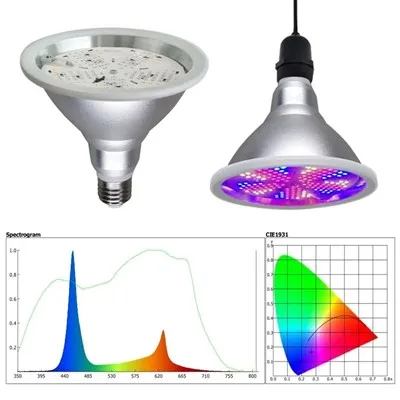
LEDs can be engineered to emit specific wavelengths of light. Different wavelengths play different roles in plant growth. For example, blue light (with a wavelength range of approximately 400 - 500 nanometers) is crucial for vegetative growth. It promotes strong, healthy leaf development and helps regulate a plant's circadian rhythm. When plants receive an appropriate amount of blue light, they tend to have a more compact and bushy growth habit.
On the other hand, red light (around 600 - 700 nanometers) is essential for the flowering and fruiting stages of a plant's life cycle. It stimulates the production of hormones that trigger the transition from vegetative growth to reproductive growth. By carefully controlling the ratio of red to blue light, growers can optimize the growth and development of their plants at each stage.
In addition to blue and red light, other wavelengths can also have beneficial effects. Far - red light (700 - 800 nanometers), for instance, can influence processes such as seed germination and the stretching of stems. Some advanced LED grow lights are designed to include a full spectrum of light, mimicking the natural sunlight as closely as possible. This full - spectrum approach can support all stages of plant growth, from seedling to harvest.
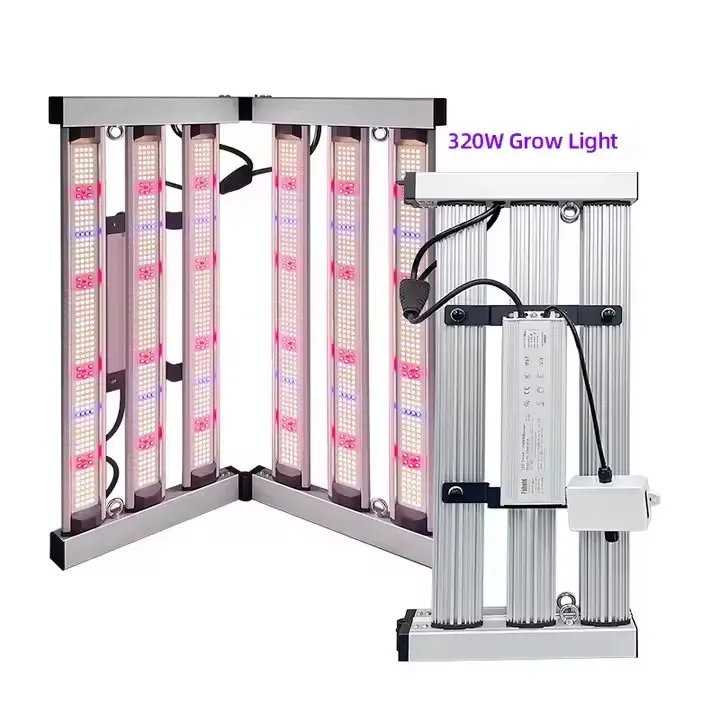
Another important aspect of LED grow lights is their intensity. The intensity of light, measured in units such as photosynthetic photon flux density (PPFD), determines how much light energy is available for plants. Different plant species have different light requirements. For example, high - light plants like tomatoes and peppers need a relatively high PPFD to thrive, while low - light plants such as ferns can grow well with lower light intensities. Our Foldable LED Grow Light is a great option for growers who need a flexible and adjustable light source. It can be easily folded and adjusted to provide the right amount of light at the right distance from the plants.
The duration of light exposure, or photoperiod, is also a critical factor. Some plants are short - day plants, which means they require a longer period of darkness to flower. Others are long - day plants, needing more hours of light. By using LED grow lights, growers can precisely control the photoperiod, allowing them to grow plants out of their natural season or in regions with unfavorable daylight conditions.
One of the significant advantages of LED grow lights is their energy efficiency. Traditional lighting systems, such as high - pressure sodium (HPS) lamps, consume a large amount of electricity and generate a significant amount of heat. This not only increases energy costs but also requires additional cooling systems to prevent overheating of the plants. In contrast, LED grow lights use up to 70% less energy than HPS lamps and produce very little heat. This makes them a cost - effective and environmentally friendly choice for indoor growers.
Our Best Dimmable LED Grow Lights offer even more flexibility. With dimmable features, growers can adjust the light intensity according to the specific needs of their plants at different growth stages. This not only saves energy but also allows for more precise control over the growing environment.
The lifespan of LED grow lights is another benefit. LED lights can last up to 50,000 hours or more, compared to the relatively short lifespan of traditional lighting sources. This means less frequent replacement, reducing both maintenance costs and the environmental impact associated with discarded bulbs.
When it comes to installation, LED grow lights are relatively easy to set up. They come in various forms, such as panels, bars, and strips, which can be mounted on walls, ceilings, or grow racks. Our Adjustable LED Grow Lights are designed with adjustable arms or brackets, allowing growers to position the lights at the optimal angle and height for their plants.
In conclusion, LED grow lights are a revolutionary technology that offers numerous benefits for modern horticulture. Their ability to provide specific wavelengths of light, adjustable intensity, and long lifespan make them an ideal choice for indoor growers, greenhouse operators, and even commercial farms. Whether you're a hobbyist grower looking to start a small indoor garden or a professional farmer aiming to increase yields, our range of LED grow lights can meet your needs.
If you're interested in learning more about our LED grow lights or are ready to start a procurement discussion, feel free to reach out. We're committed to providing high - quality products and excellent customer service. Let's work together to create the perfect growing environment for your plants.
References
- Taiz, L., & Zeiger, E. (2010). Plant Physiology. Sinauer Associates.
- Hopkins, W. G., & Hüner, N. P. A. (2009). Introduction to Plant Physiology. John Wiley & Sons.