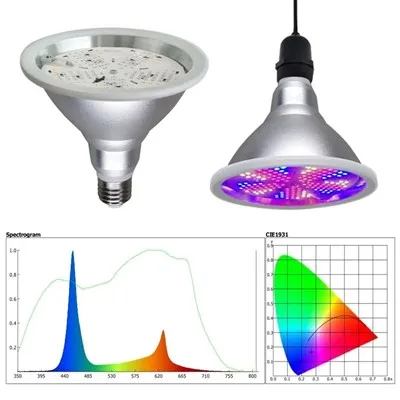

Hey there, fellow plant enthusiasts! As a supplier of LED plant light bulbs, I've seen firsthand how crucial it is to choose the right wattage for your plants. It can make the difference between a thriving garden and one that just doesn't quite cut it. So, let's dive into how you can pick the perfect wattage for your LED plant light bulbs.
Understanding the Basics of Wattage
First off, what the heck is wattage? In simple terms, wattage is a measure of how much power an electrical device uses. For LED plant light bulbs, it's a key factor in determining how much light your plants will get. Higher wattage bulbs generally produce more light, but that doesn't always mean they're the best choice for your setup.
The amount of light your plants need depends on several factors, like the type of plants you're growing, their growth stage, and the size of your growing area. For example, leafy greens like lettuce and spinach don't need as much light as fruiting plants like tomatoes and peppers. And seedlings need less light than mature plants.
Factors to Consider When Choosing Wattage
Plant Type
Different plants have different light requirements. Some plants, like succulents and cacti, are used to bright, direct sunlight and need a lot of light to thrive. Others, like ferns and peace lilies, prefer lower light levels.
If you're growing high-light plants, you'll want to choose a higher wattage LED plant light bulb. For example, a Full Spectrum LED Grow Light Bulbs with a wattage of 100 watts or more might be a good choice. On the other hand, if you're growing low-light plants, a lower wattage bulb, like a 25-watt Indoor Grow Light Bulb, could be sufficient.
Growth Stage
The growth stage of your plants also plays a big role in determining the right wattage. Seedlings are delicate and don't need as much light as mature plants. In fact, too much light can actually damage them. For seedlings, a lower wattage bulb, around 15 - 25 watts, is usually enough.
As your plants grow and enter the vegetative stage, they'll need more light. You can increase the wattage to 50 - 75 watts. When your plants start to flower and fruit, they'll need even more light, so you might want to go up to 100 watts or higher.
Growing Area
The size of your growing area is another important factor. If you have a small growing area, like a windowsill or a small shelf, you don't need a high wattage bulb. A low wattage Indoor Grow Light Bulb can provide enough light for a few plants.


However, if you have a larger growing area, like a grow tent or a greenhouse, you'll need a higher wattage bulb or multiple bulbs to ensure that all your plants get enough light. You can calculate the wattage you need based on the square footage of your growing area. A general rule of thumb is to provide 20 - 40 watts per square foot.
Calculating the Right Wattage
Now that you know the factors to consider, let's talk about how to calculate the right wattage for your LED plant light bulbs.
First, measure the size of your growing area in square feet. Then, determine the light requirements of your plants based on their type and growth stage. Multiply the square footage of your growing area by the recommended wattage per square foot.
For example, if you have a 4 square foot growing area and you're growing high-light plants in the flowering stage, you might need 40 watts per square foot. So, you'll need a total of 4 x 40 = 160 watts of light. You can achieve this by using one 160-watt bulb or multiple bulbs that add up to 160 watts.
Different Types of LED Plant Light Bulbs and Their Wattages
There are several types of LED plant light bulbs available, each with different wattages and features.
Full Spectrum LED Grow Light Bulbs
These bulbs are designed to mimic the full spectrum of sunlight, providing all the wavelengths of light that plants need for photosynthesis. They come in a range of wattages, from 25 watts to 200 watts or more. Full Spectrum LED Grow Light Bulbs are a great choice for a wide variety of plants and growth stages.
IR Grow Light Bulbs
Infrared (IR) grow light bulbs emit light in the infrared spectrum, which can help with plant growth and development. They're often used in combination with other types of grow lights. IR grow light bulbs typically have lower wattages, around 15 - 50 watts. You can check out our Ir Grow Light Bulb for more details.
Indoor Grow Light Bulbs
These are designed for indoor use and are available in a variety of wattages. They're a good option for small growing areas or for supplementing natural light. Indoor Grow Light Bulb can range from 15 watts to 75 watts.
Common Mistakes to Avoid
When choosing the right wattage for your LED plant light bulbs, there are a few common mistakes you should avoid.
Using Too High a Wattage
Using a bulb with too high a wattage can cause your plants to overheat and get damaged. It can also waste energy and increase your electricity bill. Make sure to choose a wattage that's appropriate for your plants and growing area.
Using Too Low a Wattage
On the other hand, using a bulb with too low a wattage can result in your plants not getting enough light. This can lead to stunted growth, poor flowering, and low yields. Make sure to provide enough light for your plants based on their needs.
Wrapping Up and Reaching Out
Choosing the right wattage for your LED plant light bulbs is essential for the health and growth of your plants. By considering factors like plant type, growth stage, and growing area, and by calculating the right wattage, you can ensure that your plants get the light they need.
If you're still not sure which wattage is right for you or if you have any other questions about our LED plant light bulbs, don't hesitate to reach out. We're here to help you make the best choice for your garden. Whether you're a beginner or an experienced grower, we have the products and expertise to meet your needs.
Let's start a conversation and find the perfect LED plant light bulbs for your setup. We look forward to hearing from you and helping you create a thriving indoor garden!
References
- Smith, J. (2020). The Complete Guide to LED Grow Lights. Gardening Press.
- Johnson, A. (2019). Understanding Plant Light Requirements. Horticulture Journal.