
Yo, what's up! I'm a supplier of UFO grow lights, and today I wanna chat about the efficiency of these bad boys. If you're into indoor gardening or hydroponics, you know how crucial it is to have the right lighting for your plants. That's where UFO grow lights come in.
Understanding the Basics of UFO Grow Lights
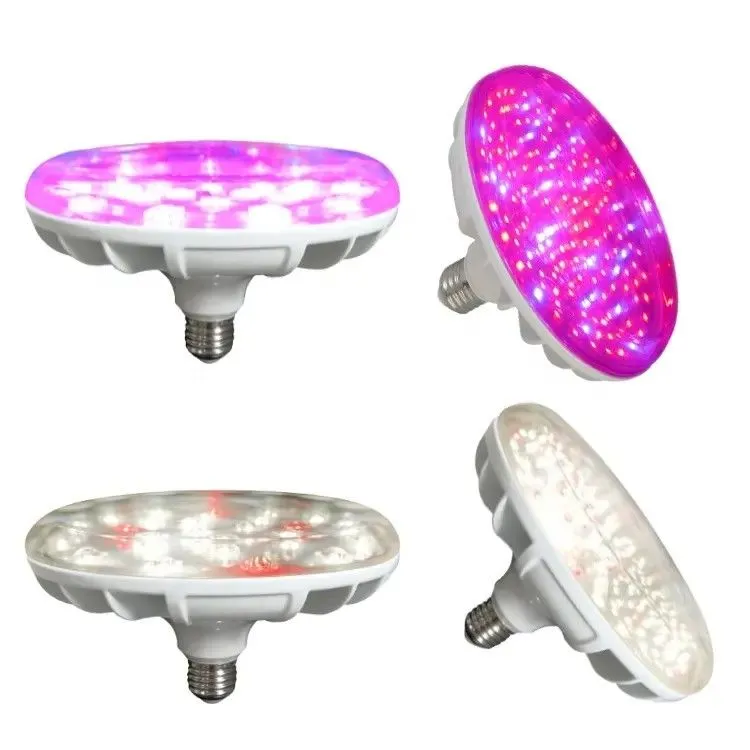
First off, let's talk about what makes a UFO grow light so special. These lights are named for their distinctive circular shape, which resembles a UFO. They're designed to provide a balanced spectrum of light that mimics natural sunlight, which is essential for plant growth.
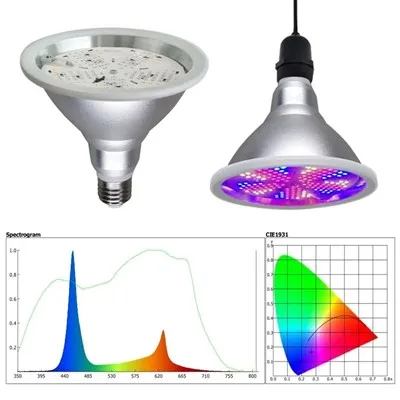
One of the key factors in the efficiency of a UFO grow light is its full - spectrum capabilities. The UFO Grow Light Full Spectrum offers a wide range of wavelengths, including red, blue, and white light. Red light is important for flowering and fruiting, while blue light is crucial for vegetative growth. White light helps to provide a more natural - looking light environment for the plants.
Another advantage of UFO grow lights is their energy efficiency. Compared to traditional HID (High - Intensity Discharge) lights, UFO grow lights use significantly less electricity. This means you can save a ton of money on your energy bills in the long run. LED technology is at the heart of these lights, and LEDs are known for their low power consumption and long lifespan. The LED UFO Grow Light is a prime example of this energy - saving technology.
Measuring the Efficiency of UFO Grow Lights
When we talk about the efficiency of a grow light, there are a few key metrics we need to consider. One of the most important is the PAR (Photosynthetically Active Radiation) value. PAR measures the amount of light in the wavelengths that plants can use for photosynthesis. A higher PAR value means that the light is more efficient at promoting plant growth.
UFO grow lights typically have a high PAR value, especially when compared to other types of grow lights. This is because they're designed to emit light in the specific wavelengths that plants need. The circular design of the UFO grow light also helps to distribute the light more evenly over the plants, which further enhances its efficiency.
Another metric to consider is the efficacy of the light. Efficacy is measured in PPF (Photosynthetic Photon Flux) per watt. It tells us how much light the grow light can produce for each watt of electricity it consumes. UFO grow lights usually have a high efficacy, which means they can produce a lot of useful light while using relatively little energy.
Real - World Benefits of Using UFO Grow Lights
Now, let's talk about how these efficiency metrics translate into real - world benefits for your plants. When you use a UFO Plant Light, you'll notice that your plants grow faster and healthier. The balanced spectrum of light ensures that your plants get all the nutrients they need from the light, which promotes strong root development, lush foliage, and abundant flowering and fruiting.
Since UFO grow lights are energy - efficient, you can run them for longer periods without worrying about sky - high energy bills. This is especially important if you're running a large - scale indoor garden or a commercial hydroponic operation. You can keep your lights on for the optimal amount of time to support plant growth without breaking the bank.
The long lifespan of UFO grow lights is also a major plus. LEDs can last for tens of thousands of hours, which means you won't have to replace your grow lights as often. This saves you both time and money in the long run. You can focus on taking care of your plants instead of constantly worrying about changing bulbs.

Comparing UFO Grow Lights to Other Options
Let's take a quick look at how UFO grow lights stack up against other popular grow light options. As I mentioned earlier, traditional HID lights are much less energy - efficient. They also generate a lot of heat, which can be a problem for your plants. High temperatures can stress the plants and even damage them if not properly managed.
Fluorescent lights, on the other hand, are more energy - efficient than HID lights but don't provide as much light intensity as UFO grow lights. They also have a limited spectrum, which may not be ideal for all stages of plant growth.
UFO grow lights offer the best of both worlds. They're energy - efficient, provide a full spectrum of light, and have a high light intensity. This makes them a great choice for both novice and experienced indoor gardeners.
Tips for Maximizing the Efficiency of Your UFO Grow Lights
To get the most out of your UFO grow lights, there are a few tips you should keep in mind. First, make sure to hang the lights at the right height above your plants. If the lights are too close, they can burn the plants. If they're too far away, the plants won't get enough light. The ideal height will depend on the specific model of your UFO grow light and the type of plants you're growing.
It's also important to clean your grow lights regularly. Dust and dirt can accumulate on the surface of the lights, which can reduce their efficiency. A simple wipe - down with a soft cloth every few weeks can help to keep your lights shining bright.
Finally, consider using a timer for your grow lights. This will ensure that your plants get the right amount of light each day. Most plants need between 12 and 18 hours of light per day, depending on their growth stage. A timer takes the guesswork out of lighting your plants and helps to optimize their growth.
Conclusion
In conclusion, the efficiency of UFO grow lights is off the charts. They offer a balanced spectrum of light, high energy efficiency, and long lifespan. Whether you're a hobbyist indoor gardener or a professional hydroponic grower, using a UFO grow light can make a huge difference in the health and productivity of your plants.
If you're interested in learning more about our UFO grow lights or are looking to make a purchase, don't hesitate to reach out. We're here to help you find the perfect grow light solution for your needs. Let's work together to take your indoor gardening to the next level!
References
- Smith, J. (2020). "The Science of Indoor Plant Lighting". Gardening Today Magazine.
- Johnson, A. (2021). "Energy - Efficient Lighting Solutions for Hydroponics". Hydroponic World Journal.