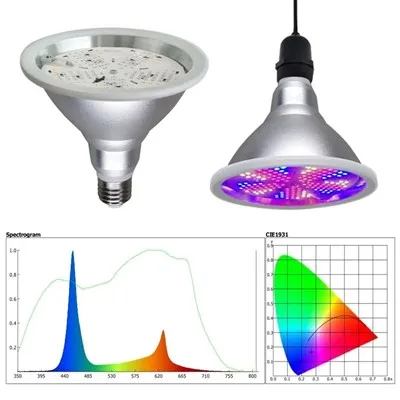

When it comes to cultivating plants, UV grow light bulbs have become an essential tool for many growers, whether they are hobbyists or professionals. As a supplier of UV grow light bulbs, I understand the importance of using these lights safely and effectively. In this blog post, I'll share some crucial safety precautions that you should take when using a UV grow light bulb.
Understanding UV Light and Its Risks
Before delving into safety measures, it's important to understand what UV light is and why it can be potentially harmful. UV light is a type of electromagnetic radiation that has a shorter wavelength than visible light. There are three main types of UV rays: UVA, UVB, and UVC. UVA rays have the longest wavelength and can penetrate deep into the skin, causing premature aging and contributing to skin cancer. UVB rays are responsible for sunburns and also play a significant role in the development of skin cancer. UVC rays are the most dangerous but are mostly absorbed by the Earth's atmosphere.
When using a UV grow light bulb, you are essentially exposing yourself and your plants to these potentially harmful rays. Therefore, taking appropriate safety precautions is of utmost importance.
Personal Protective Equipment (PPE)
One of the most effective ways to protect yourself from UV radiation is by wearing the right personal protective equipment.
Protective Clothing
Wear long - sleeved shirts and long pants made of tightly woven fabric. This type of clothing provides a physical barrier between your skin and the UV light. Dark - colored clothing is generally more effective at blocking UV rays than light - colored ones. Additionally, consider wearing a wide - brimmed hat to protect your face, neck, and ears from direct exposure.
UV - Blocking Glasses
Your eyes are particularly sensitive to UV radiation. Prolonged exposure to UV light can cause damage to the cornea, lens, and retina, leading to conditions such as cataracts and photokeratitis (a painful eye condition similar to a sunburn of the eye). Invest in a pair of high - quality UV - blocking glasses specifically designed for use with UV lights. These glasses should have a high UV protection factor (UPF) to ensure maximum protection.
Gloves
Wearing gloves can protect your hands from direct UV exposure. Look for gloves made of materials that offer good UV protection, such as leather or thick fabric. Make sure the gloves cover your wrists as well to prevent any exposed skin.
Safe Installation and Use of UV Grow Light Bulbs
Proper installation and use of UV grow light bulbs are crucial for safety.
Installation
- Follow Manufacturer's Instructions: Always follow the manufacturer's instructions when installing the UV grow light bulb. This includes proper mounting, wiring, and any other specific installation requirements. Incorrect installation can lead to electrical hazards, such as short circuits or fires.
- Use the Right Fixture: Make sure you use a fixture that is specifically designed for UV grow light bulbs. The fixture should be able to dissipate heat effectively and provide proper electrical insulation.
- Keep a Safe Distance: Maintain a safe distance between the UV grow light bulb and your plants, as well as any flammable materials. The recommended distance may vary depending on the wattage and type of the bulb, so refer to the manufacturer's guidelines.
Use
- Limit Exposure Time: Avoid prolonged exposure to the UV light. Set a timer to control the amount of time the light is on. This not only protects you from over - exposure but also helps prevent damage to your plants.
- Avoid Direct Eye Contact: Never look directly at the UV grow light bulb when it is on. Even a brief glance can cause damage to your eyes. If you need to check on the plants or adjust the light, make sure to wear your UV - blocking glasses.
Ventilation
UV grow light bulbs generate heat, and proper ventilation is essential to prevent overheating.
Adequate Airflow
Ensure that there is adequate airflow around the UV grow light bulb. This can be achieved by using fans or ventilation systems. Good airflow helps to dissipate heat and maintain a stable temperature in the growing area. Overheating can not only reduce the lifespan of the bulb but also pose a fire hazard.
Carbon Filters
If you are using the UV grow light bulb in an enclosed space, consider using carbon filters. Carbon filters can help remove any odors and harmful gases that may be produced by the plants or the light bulb. This improves the overall air quality in the growing area and protects your health.
Electrical Safety
Since UV grow light bulbs are electrical devices, electrical safety is a top priority.
Inspect Cords and Plugs
Regularly inspect the cords and plugs of the UV grow light bulb for any signs of damage, such as fraying or exposed wires. If you notice any damage, replace the cord or plug immediately to prevent electrical shocks or fires.
Use a Ground Fault Circuit Interrupter (GFCI)
A GFCI is a device that automatically shuts off the power if it detects a ground fault, such as a short circuit or a leak of electricity. Using a GFCI - protected outlet for your UV grow light bulb can provide an extra layer of protection against electrical hazards.
Unplug When Not in Use
When you are not using the UV grow light bulb, unplug it from the power source. This not only saves energy but also reduces the risk of electrical accidents.
Plant Safety
While UV light can be beneficial for plants, excessive exposure can also cause damage.
Monitor Plant Health
Keep a close eye on your plants' health when using a UV grow light bulb. Look for signs of stress, such as yellowing leaves, stunted growth, or wilting. If you notice any of these signs, adjust the light intensity or exposure time accordingly.
Provide Adequate Water and Nutrients
UV light can increase the rate of transpiration in plants, which means they may need more water. Make sure to provide your plants with an adequate supply of water and nutrients to help them cope with the additional stress caused by the UV light.


Choosing the Right UV Grow Light Bulb
As a supplier of UV grow light bulbs, I recommend choosing high - quality bulbs from reputable manufacturers.
Full Spectrum LED Grow Light Bulbs
Full spectrum LED grow light bulbs, like the ones available at Full Spectrum LED Grow Light Bulbs, provide a balanced spectrum of light that closely mimics natural sunlight. This not only promotes healthy plant growth but also reduces the risk of over - exposure to harmful UV rays.
Outdoor Grow Light Bulbs
If you are growing plants outdoors, consider using Outdoor Grow Light Bulbs. These bulbs are designed to withstand outdoor conditions and provide the right amount of light for your plants.
Ir Grow Light Bulb
Infrared (IR) grow light bulbs, such as the Ir Grow Light Bulb, can be used in combination with UV grow light bulbs to provide a more complete spectrum of light for your plants. IR light helps with photosynthesis and can improve plant growth and development.
Conclusion
Using a UV grow light bulb can be a great way to enhance plant growth, but it's important to take the necessary safety precautions. By wearing the right personal protective equipment, following proper installation and use guidelines, ensuring adequate ventilation and electrical safety, and monitoring plant health, you can minimize the risks associated with UV radiation.
If you are interested in purchasing high - quality UV grow light bulbs or have any questions about their safe use, feel free to contact us for more information and to discuss your procurement needs. Our team of experts is always ready to assist you in finding the right solutions for your growing requirements.
References
- American Cancer Society. (2023). Ultraviolet (UV) Radiation.
- Occupational Safety and Health Administration (OSHA). (2023). Electrical Safety Standards.
- Royal Horticultural Society. (2023). Lighting for Plants.