
Do IR Grow Light Bulbs Need Ventilation?
As a supplier of IR grow light bulbs, I've been asked numerous times whether these bulbs require ventilation. This is a crucial question for growers, as proper ventilation can significantly impact the performance of the grow lights and the health of the plants. In this blog post, I'll delve into the science behind IR grow light bulbs and explain why ventilation is often necessary.
Understanding IR Grow Light Bulbs
Infrared (IR) grow light bulbs are designed to emit light in the infrared spectrum, which is not visible to the human eye but is essential for plant growth. IR light plays a vital role in photosynthesis, helping plants convert light energy into chemical energy. It also affects plant development, including germination, flowering, and fruiting.
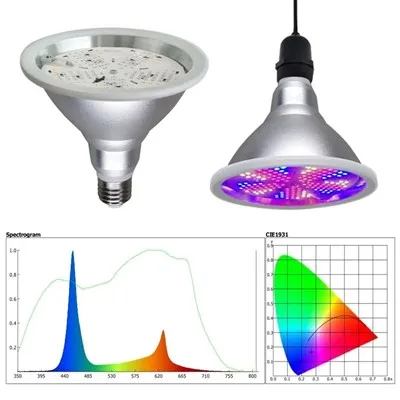
Our LED Plant Light Bulbs and UV Grow Light Bulb are part of a comprehensive range of lighting solutions for indoor gardening. The Full Spectrum LED Grow Light Bulbs are particularly popular, as they provide a balanced spectrum of light that mimics natural sunlight.
The Heat Factor
One of the primary reasons why ventilation is important for IR grow light bulbs is heat generation. Like all light bulbs, IR grow light bulbs produce heat as a by - product of the electrical energy conversion process. Excessive heat can have several negative effects on both the bulbs and the plants.


For the bulbs themselves, high temperatures can reduce their lifespan. The internal components of the bulbs can degrade more quickly when exposed to extreme heat, leading to premature failure. This means that growers may have to replace the bulbs more frequently, increasing the overall cost of the growing operation.
On the plant side, too much heat can cause stress. Plants have an optimal temperature range for growth, and when the temperature around them rises too high due to the heat from the grow lights, it can disrupt their physiological processes. Photosynthesis, for example, can be hindered, leading to slower growth, reduced yields, and even damage to the plant tissues.
Air Circulation and Gas Exchange
Ventilation also plays a crucial role in air circulation and gas exchange. In an enclosed growing environment, the air can become stagnant. Stagnant air can lead to a build - up of humidity and a lack of fresh carbon dioxide (CO₂).
Plants need CO₂ for photosynthesis. When the air around the plants is not properly circulated, the CO₂ levels can drop, limiting the plant's ability to produce energy. At the same time, the humidity can increase, creating a favorable environment for the growth of mold and fungi. These pathogens can quickly spread and damage the plants, leading to diseases and reduced crop quality.
By providing ventilation, fresh air is constantly introduced into the growing area. This helps to maintain the proper CO₂ levels for photosynthesis and reduces the humidity, keeping the plants healthy.
Types of Ventilation Systems
There are several types of ventilation systems that can be used with IR grow light bulbs.
Exhaust Fans
Exhaust fans are a common and effective way to remove hot air from the growing area. They are typically installed near the top of the growing space, as hot air rises. By pulling the hot air out, they create a negative pressure inside the growing area, which in turn draws in fresh air from outside or from other parts of the room.
Intake Fans
Intake fans work in conjunction with exhaust fans. They are used to bring in fresh air from the outside or from a filtered source. Intake fans can be installed at the bottom of the growing area, as cooler air tends to be denser and will sink. This helps to create a continuous flow of air through the growing space.
Ducting Systems
Ducting systems can be used to direct the airflow in a more controlled manner. They can be used to connect the exhaust fans and intake fans, ensuring that the air is properly circulated throughout the growing area. Ducting can also help to filter the air, removing dust, pollen, and other contaminants that could potentially harm the plants.
Factors to Consider When Designing a Ventilation System
When designing a ventilation system for IR grow light bulbs, several factors need to be considered.
Size of the Growing Area
The size of the growing area will determine the number and size of the fans and the ducting required. A larger growing area will need more powerful fans and a more extensive ducting system to ensure proper air circulation.
Number of Light Bulbs
The number of IR grow light bulbs in the growing area will also affect the heat generation. More bulbs will produce more heat, requiring a more robust ventilation system to remove the excess heat.
Type of Plants
Different plants have different temperature and humidity requirements. Some plants prefer a warmer and more humid environment, while others thrive in cooler and drier conditions. The ventilation system should be designed to meet the specific needs of the plants being grown.
Case Studies
Let's take a look at a couple of case studies to illustrate the importance of ventilation for IR grow light bulbs.
Case Study 1: Small Indoor Grow Room
A grower had a small indoor grow room with a few IR grow light bulbs. Initially, they did not have a ventilation system in place. The temperature in the room quickly rose, and the plants started to show signs of stress. The leaves were wilting, and the growth rate was slow. After installing a small exhaust fan and an intake fan, the temperature dropped, and the plants began to recover. The growth rate improved, and the overall health of the plants increased.
Case Study 2: Large Commercial Grow Operation
A large commercial grow operation was using a significant number of IR grow light bulbs in a large warehouse. They initially had a basic ventilation system, but it was not sufficient to handle the heat generated by the bulbs. The humidity levels were high, and there was a problem with mold growth on the plants. After upgrading the ventilation system with more powerful fans and a more extensive ducting system, the temperature and humidity were brought under control. The mold problem was eliminated, and the yields increased significantly.
Conclusion
In conclusion, ventilation is essential for IR grow light bulbs. It helps to manage the heat generated by the bulbs, ensures proper air circulation and gas exchange, and keeps the plants healthy. By considering the size of the growing area, the number of light bulbs, and the specific needs of the plants, growers can design an effective ventilation system that will optimize the performance of their IR grow light bulbs and the growth of their plants.
If you are interested in purchasing our high - quality IR grow light bulbs and need advice on ventilation systems, please feel free to contact us for procurement discussions. We are here to help you create the best growing environment for your plants.
References
- Smith, J. (2020). The Science of Indoor Plant Lighting. Gardening Science Press.
- Johnson, A. (2019). Ventilation Systems for Indoor Gardens. Horticulture Today.
- Brown, R. (2021). Heat Management in Indoor Grow Rooms. Agricultural Technology Journal.