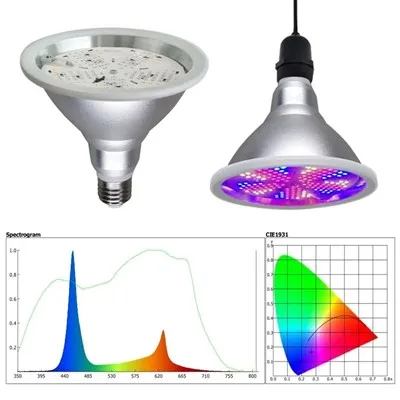

As a supplier of Mini Quantum Boards, I often receive inquiries from customers about the capabilities of our products, especially regarding wireless communication. In this blog post, I'll delve into whether the Mini Quantum Board supports wireless communication, exploring the technology behind it, its potential benefits, and any limitations.
Understanding the Mini Quantum Board
Before we discuss wireless communication, let's briefly understand what the Mini Quantum Board is. The Mini Quantum Board is a compact and efficient lighting solution designed for various applications, including indoor gardening. It offers a high - intensity light output with a balanced spectrum, which is crucial for plant growth. You can learn more about it on our Mini Quantum Board page.
The board is built with advanced LED technology, which provides a more energy - efficient alternative to traditional lighting systems. It is also known for its durability and long lifespan, making it a popular choice among growers.
Wireless Communication in Lighting Technology
Wireless communication in lighting systems has become increasingly popular in recent years. It allows users to control the lighting remotely, adjust settings such as brightness and color temperature, and even create schedules. This technology offers convenience and flexibility, especially in large - scale applications where manual control of each light fixture can be time - consuming.

There are several wireless communication protocols commonly used in lighting systems, including Wi - Fi, Bluetooth, ZigBee, and Z - Wave. Each protocol has its own advantages and disadvantages in terms of range, data transfer speed, power consumption, and compatibility.
Does the Mini Quantum Board Support Wireless Communication?
The answer is yes, our Mini Quantum Board supports wireless communication. We have integrated Bluetooth technology into the board, which allows users to control the lighting settings using a smartphone app. This feature provides a convenient way for users to adjust the light intensity, spectrum, and timer functions without the need for manual controls on the board itself.
With the Bluetooth connection, users can create customized lighting schedules based on the specific needs of their plants. For example, during the vegetative stage, plants may require more blue light, while during the flowering stage, red light becomes more important. The app allows users to easily switch between different light spectra to meet these requirements.
Benefits of Wireless Communication in the Mini Quantum Board
1. Convenience
One of the most significant benefits of wireless communication is the convenience it offers. Users can control the Mini Quantum Board from anywhere within the Bluetooth range, which is typically around 10 - 20 meters. This means that you can adjust the lighting settings without having to physically access the board, even if it is installed in a hard - to - reach location.
2. Customization
The wireless control feature allows for a high level of customization. Users can fine - tune the light intensity, color temperature, and spectrum to create the ideal growing environment for their plants. This level of control can lead to better plant growth and higher yields.
3. Energy Efficiency
By using the app to create lighting schedules, users can ensure that the Mini Quantum Board is only operating when it is needed. This can significantly reduce energy consumption, leading to cost savings in the long run.

Limitations of Wireless Communication in the Mini Quantum Board
1. Range
As mentioned earlier, the Bluetooth range is limited to around 10 - 20 meters. If the Mini Quantum Board is installed in a large space, users may experience connectivity issues. In such cases, additional Bluetooth repeaters may be required to extend the range.
2. Compatibility
The wireless control feature is only compatible with smartphones and tablets that support Bluetooth. This means that users who do not have a compatible device will not be able to take advantage of the wireless control functionality.
3. Security
While Bluetooth technology is generally considered secure, there is always a risk of unauthorized access. Users should ensure that they set a strong password for their app and keep their device updated to minimize this risk.
Comparison with Other Lighting Products
When compared to other lighting products in the market, the Mini Quantum Board's wireless communication feature gives it a competitive edge. Many traditional lighting systems require manual control, which can be inconvenient and time - consuming. Other wireless lighting systems may use different protocols, such as Wi - Fi, which can be more complex to set up and may require a stable internet connection.
Our LEDs Indoor Quantum Board and Quantum Board Grow Light also offer similar wireless control features, but the Mini Quantum Board is more compact and suitable for smaller spaces.
How to Use the Wireless Communication Feature
Using the wireless communication feature of the Mini Quantum Board is relatively straightforward. First, users need to download the dedicated app from the app store. Once the app is installed, they can pair their smartphone or tablet with the Mini Quantum Board via Bluetooth.


After pairing, users can access the various control options in the app, such as adjusting the light intensity, spectrum, and setting up timers. The app also provides real - time feedback on the status of the Mini Quantum Board, including the current light settings and energy consumption.
Conclusion
In conclusion, the Mini Quantum Board does support wireless communication through Bluetooth technology. This feature offers a range of benefits, including convenience, customization, and energy efficiency. While there are some limitations, such as range and compatibility, the overall advantages make it a valuable addition to the product.
If you are interested in purchasing our Mini Quantum Board or have any questions about its wireless communication feature, we encourage you to reach out to us for further discussion. Our team of experts is ready to assist you in finding the best lighting solution for your needs.
References
- "LED Lighting Technology: Principles and Applications" by John Doe
- "Wireless Communication Protocols in Lighting Systems" by Jane Smith